About Dementia
There are many forms of dementia, the most common of which are Alzheimer’s disease and vascular dementia.

Search cafés across Ireland by location, town or Eircode.
Open Café Finder →There are many forms of dementia, the most common of which are Alzheimer’s disease and vascular dementia.
Dementia can impact memory, communication, thinking (cognition) and behavior, interfering with daily activities. While a diagnosis of dementia can feel overwhelming, understanding what dementia is — and how it affects individuals and families — can help people feel more informed, supported, and empowered.
This page provides clear, accessible information about dementia, including common signs, diagnosis, risk factors, and how people can live well after diagnosis. Whether you are concerned about yourself, supporting a loved one, or simply looking to learn more, these sections are designed to guide you step by step.
A good first step in finding local services and supports is to contact your Local Health Office.
There are some very informative guides created by the Dementia Services Information and Development Centre which are available to view and download here: Information booklets – Dementia Services Information and Development Centre
The Alzheimer Society of Ireland also provides a wide range of resources for people with all types of dementia and their families. Their website offers brochures that can be downloaded, or printed materials can be posted free of charge. If you would prefer to speak with someone directly, you can call their Freephone helpline on 1800 341 341.
You can also find valuable resources on the Understand Together Website.
Dementia is a term used to describe conditions that affect memory, thinking, communication, and daily life. It impacts each person differently and is caused by changes in the brain over time.
Dementia is an umbrella term used to describe a group of conditions that affect the brain. It is not a single disease, but a collection of symptoms caused by different illnesses that damage brain cells over time.
People living with dementia may experience changes in memory, thinking, communication, behaviour, and the ability to carry out everyday activities. These changes are usually progressive, meaning they worsen gradually over time.
Dementia affects each person differently. While some people may struggle with remembering recent events, others may experience changes in language, problem-solving, or personality. Importantly, dementia is not a normal part of ageing, although the risk does increase as people get older.
There are several types of dementia, each affecting the brain in different ways. Understanding the differences can help explain why symptoms and experiences vary from person to person.
There are many different types of dementia, each affecting the brain in different ways.
Alzheimer’s Disease
Alzheimer’s disease is the most common form of dementia. It typically begins with memory difficulties, such as forgetting recent conversations or events, and gradually affects communication, reasoning, and daily functioning. It is caused by changes in the brain, including the build-up of abnormal proteins.
Vascular Dementia
Vascular dementia occurs when the blood supply to the brain is reduced, often due to strokes or small vessel disease. Symptoms can include difficulties with planning, problem-solving, and concentration, rather than memory alone. The progression may happen in noticeable steps rather than gradually.
Lewy Body Dementia
Lewy body dementia is associated with abnormal protein deposits in the brain. It may cause visual hallucinations, movement difficulties, sleep problems, and fluctuations in alertness. It shares features with both Alzheimer’s disease and Parkinson’s disease.
Frontotemporal Dementia (FTD)
Frontotemporal dementia often affects people at a younger age. It mainly impacts behaviour, personality, or language, rather than memory in the early stages. Changes may include reduced empathy, impulsivity, or difficulty finding words.
Young Onset Dementia
Young onset dementia refers to dementia diagnosed before the age of 65. It can be particularly challenging due to work, family responsibilities, and delays in diagnosis. Causes can include Alzheimer’s disease, FTD, and rarer neurological conditions.
The signs of dementia can appear gradually and may be mistaken for normal ageing. Recognising early changes can help people seek assessment and support sooner.
The signs of dementia can vary depending on the type, but there are some common early indicators.
Early signs may include:
Memory difficulties that affect daily life
Problems finding words or following conversations
Difficulty planning or organising tasks
Changes in mood, behaviour, or personality
As dementia progresses, people may experience increased confusion, difficulty recognising familiar people or places, changes in communication abilities, and greater dependence on others for daily activities.
It is important to seek medical advice if changes are noticed, as early assessment can help rule out other conditions and provide access to support.
Receiving a diagnosis can be a challenging experience, but it can also bring clarity and access to support. Early assessment helps people plan and make informed decisions.
Getting a diagnosis of dementia usually begins with a visit to a GP. The doctor may ask about symptoms, medical history, and daily functioning, and may arrange memory tests or blood tests.
If needed, the person may be referred to a specialist or a memory clinic for further assessment. There are now four Regional Specialist Memory Clinics located in Dublin, Cork and Galway. There are also seven Memory Assessment and Support Services in various locations around Ireland. These specialist centres have multi-disciplinary teams that can fully investigate thinking and memory problems and can offer advice, information and support following a diagnosis of dementia.
Receiving a diagnosis can be emotional and challenging, but it can also provide clarity. An early diagnosis allows people and families to plan ahead, access supports, and make informed decisions about care and wellbeing.
A diagnosis of dementia does not mean the end of an active or meaningful life. With the right supports, people can continue to live well and stay connected.
Life does not stop after a dementia diagnosis. Many people continue to live meaningful, engaged lives with the right supports in place.
After diagnosis, people may need time to process emotions such as fear, sadness, or uncertainty. Practical steps may include planning for the future, seeking information, and connecting with support services.
Maintaining routines, staying socially connected, and engaging in meaningful activities can help support wellbeing. Support for family carers is also essential, as caring roles can be both rewarding and challenging.
Many factors can influence a person’s risk of developing dementia. While some risks cannot be changed, others are linked to lifestyle and overall brain health.
There is no single cause of dementia, and many factors can influence a person’s risk. While age and genetics play a role, research shows that lifestyle choices can also impact brain health.
Factors that may reduce risk include staying physically active, maintaining social connections, eating a balanced diet, managing blood pressure and cholesterol, and staying mentally engaged.
Other factors such as hearing loss, diabetes, smoking, and social isolation may increase risk. While dementia cannot always be prevented, taking steps to support overall brain health can make a positive difference.
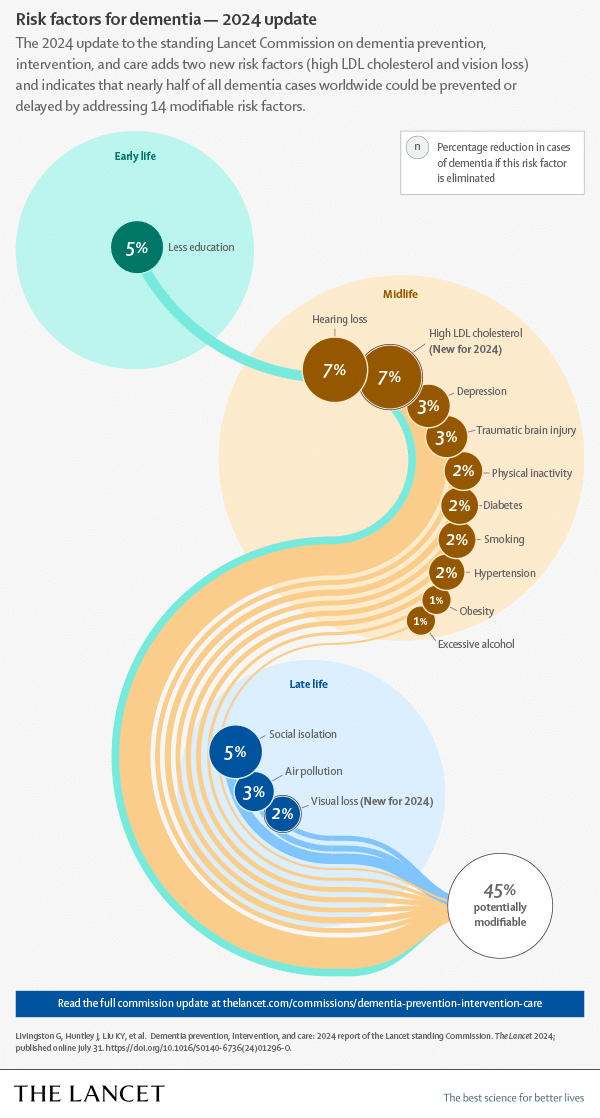
Supporting brain health is important at every stage of life. Small changes in daily habits can help maintain cognitive wellbeing and support long-term health.
Brain health refers to keeping the brain active, supported, and healthy throughout life. This includes physical health, mental stimulation, emotional wellbeing, and social connection.
Activities such as learning new skills, exercising regularly, maintaining relationships, and engaging with music, creativity, or nature all support brain health. Good sleep, nutrition, and stress management are also important.
Promoting brain health benefits people of all ages and is a key part of dementia awareness and prevention efforts.
Living with dementia can feel overwhelming, but help is available. Connecting with services, communities, and reliable information can make a positive difference.
If you or someone you care for is affected by dementia, you are not alone. Support is available through healthcare professionals, community services, and organisations dedicated to dementia care.
Talking openly, seeking information, and accessing support networks can help people feel more confident and connected. Community initiatives, education, and engagement opportunities play a vital role in improving quality of life for people living with dementia and their care partners.
If you would like to learn more, explore training opportunities, or connect with community supports, Engaging Dementia is here to help.

How can we assist?
Get in touch