Find the right training for you
Find a Dementia Café near you
Search cafés across Ireland by location, town or Eircode.
Open Café Finder →Connect, learn and find support
Helping people living with dementia stay connected
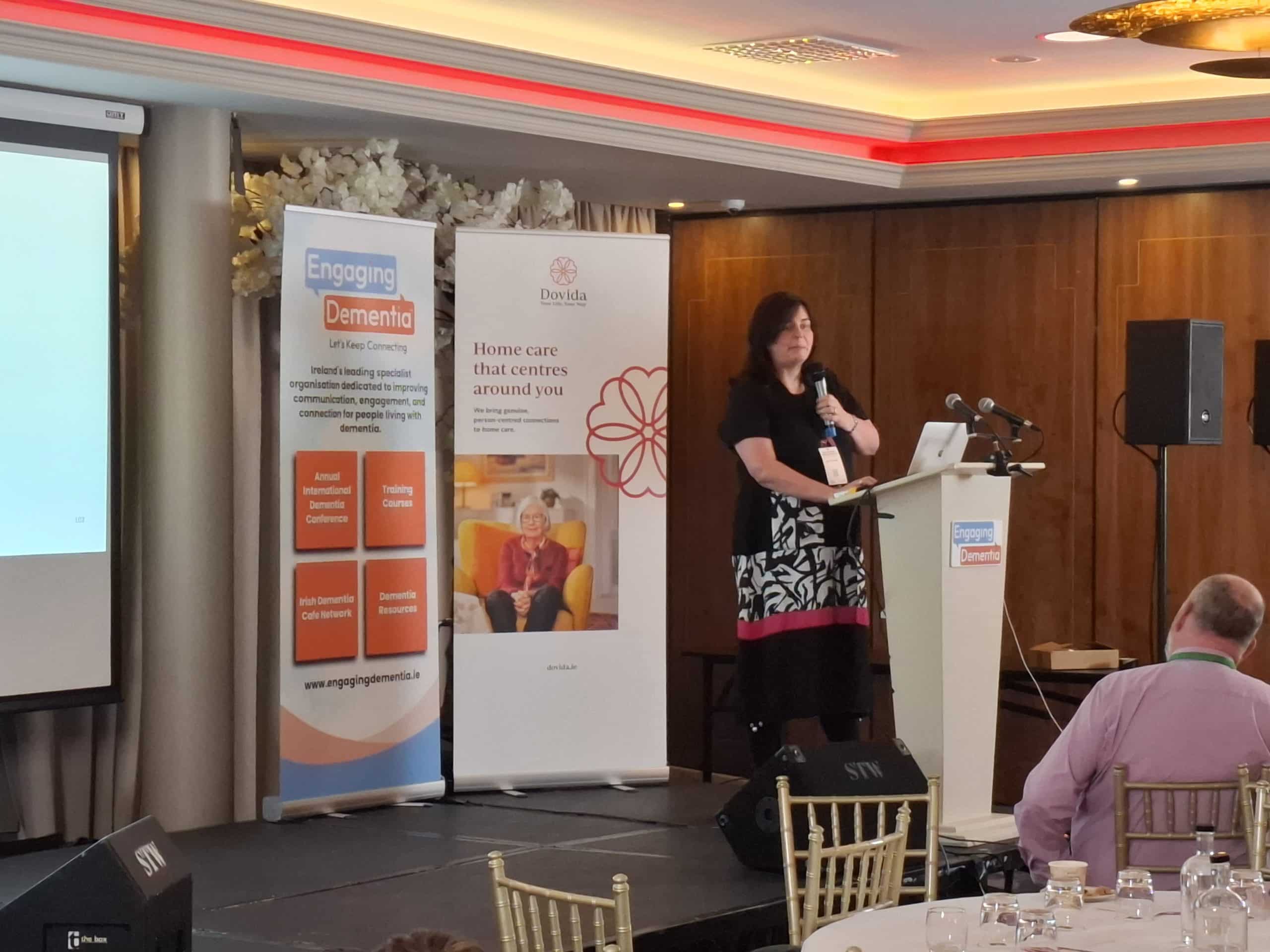
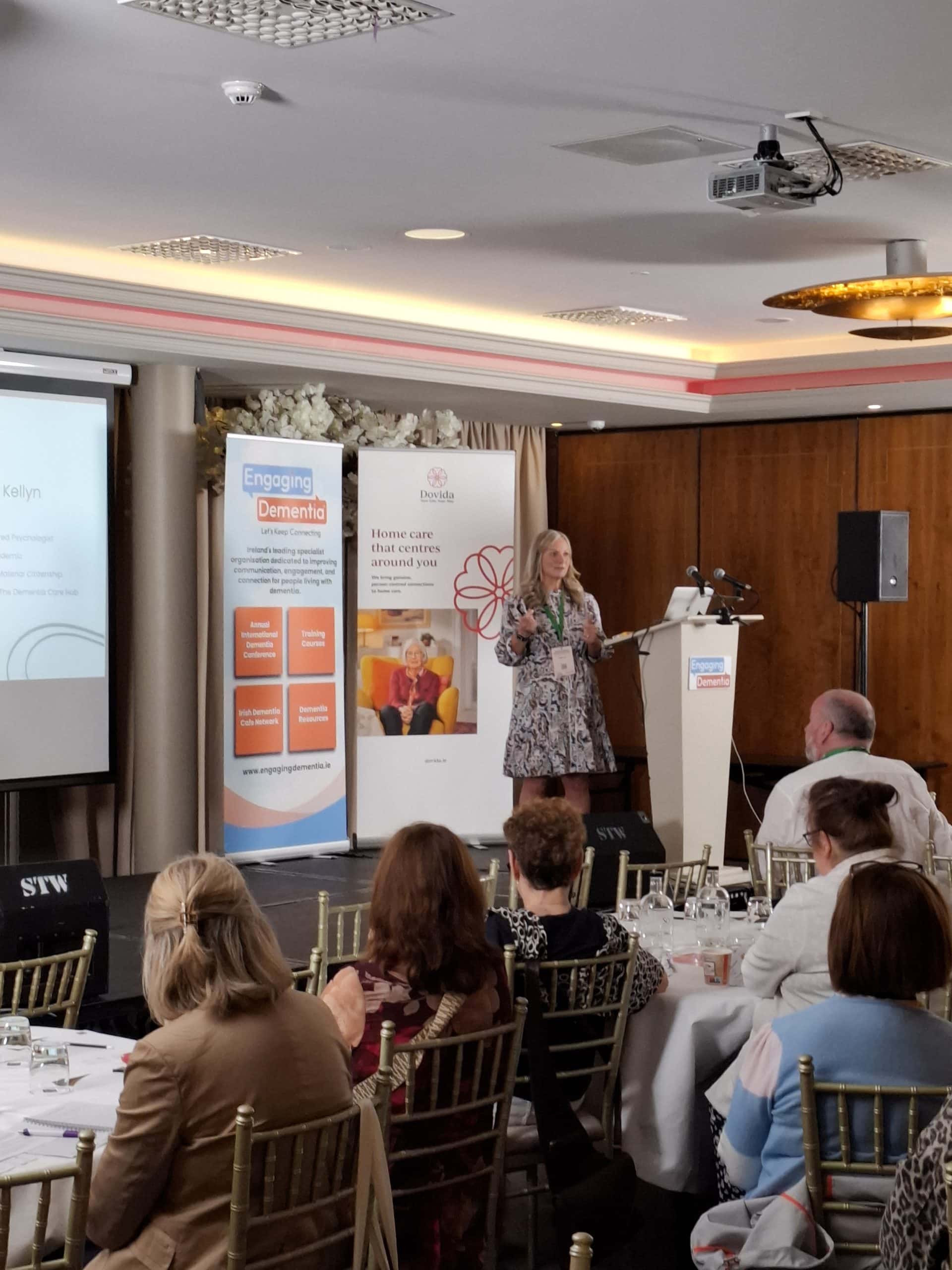
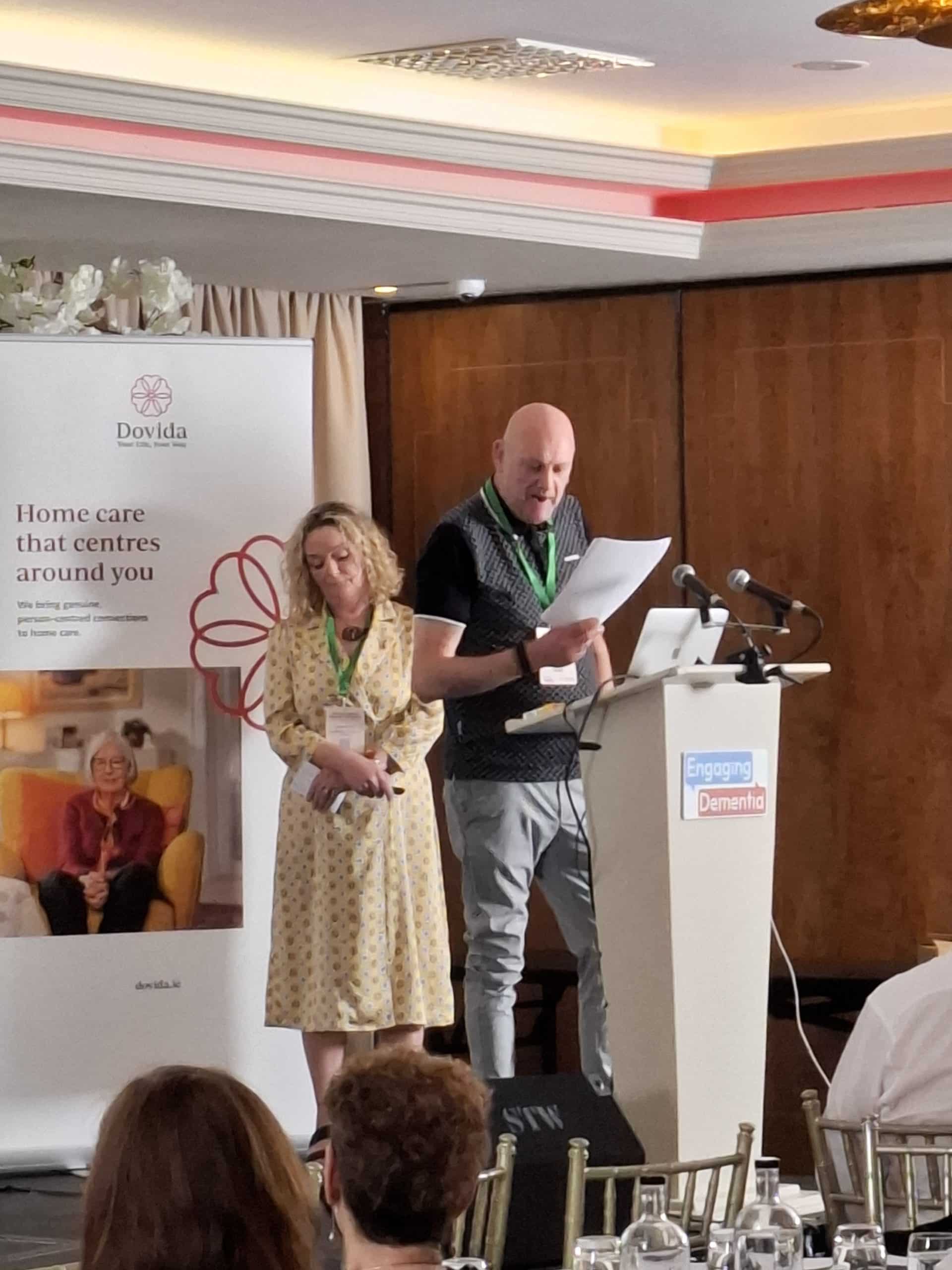
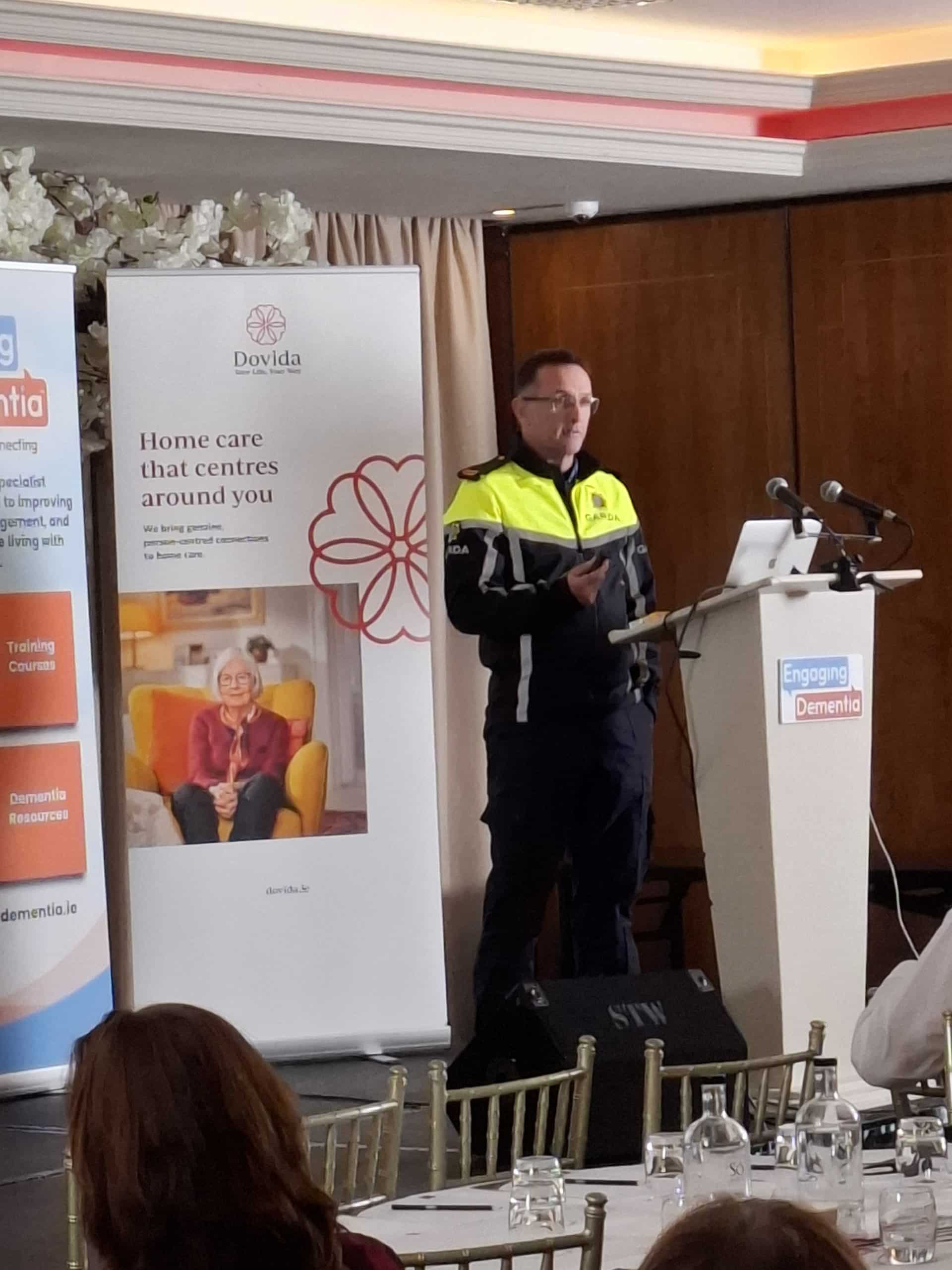
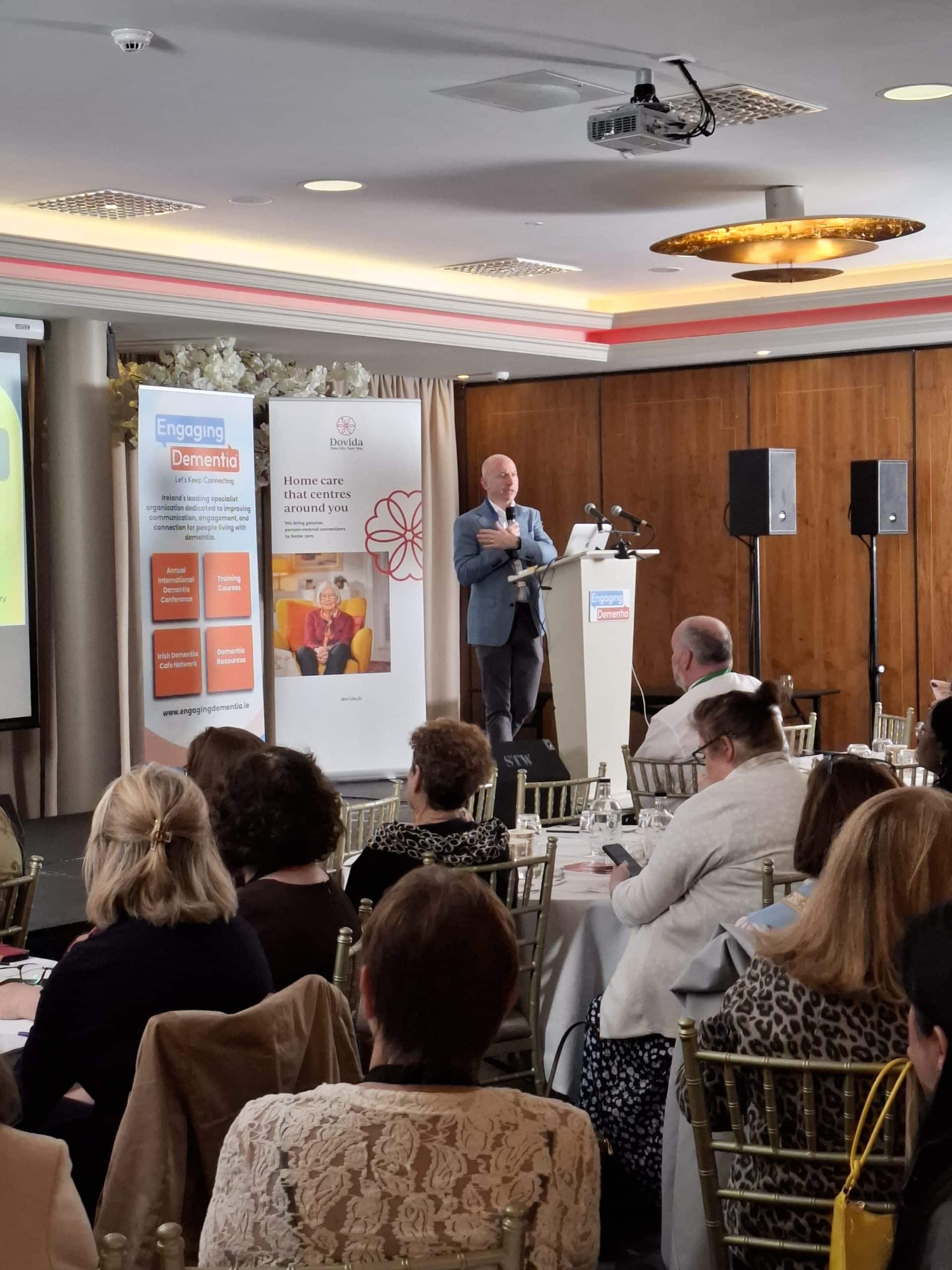
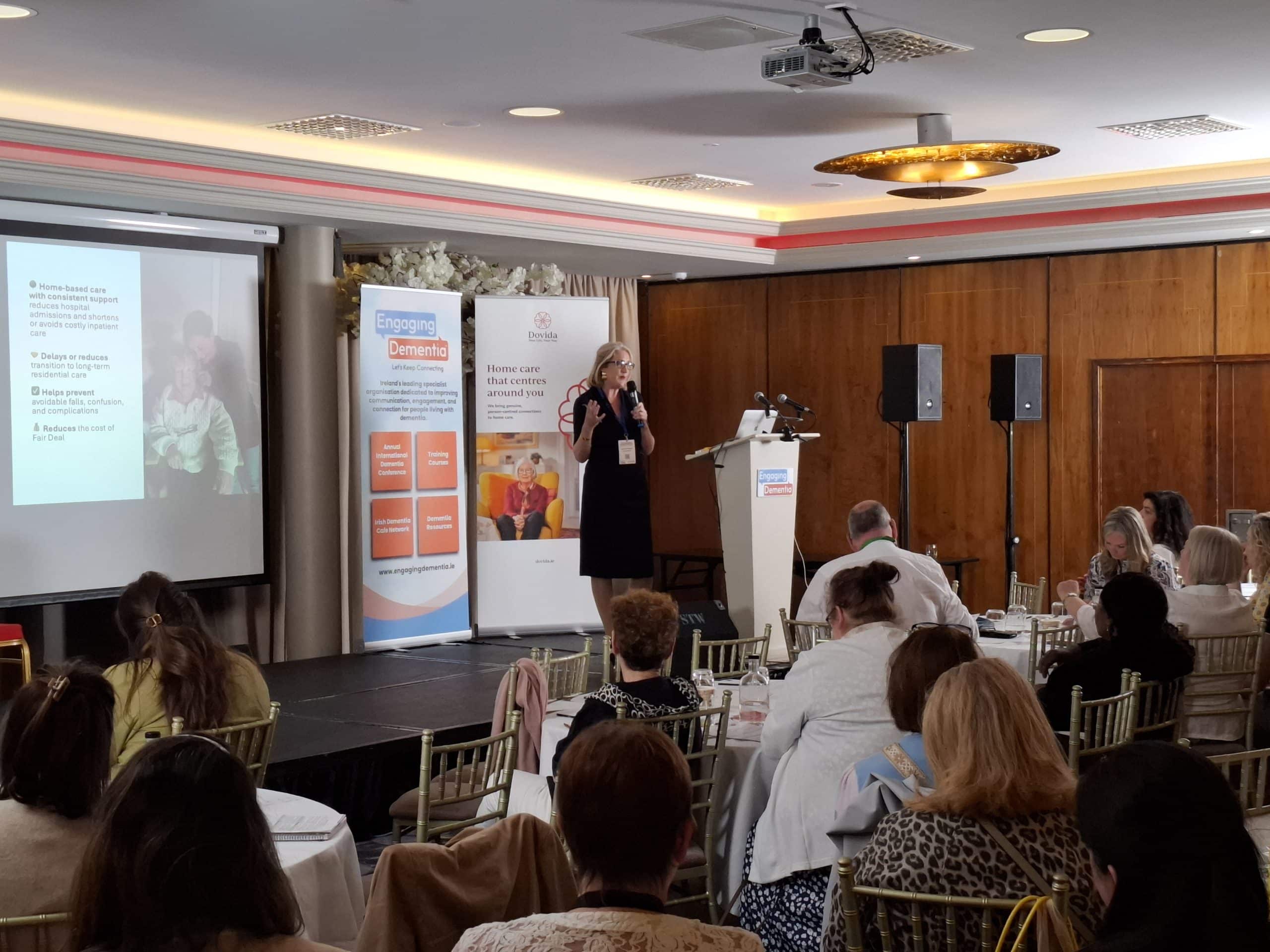
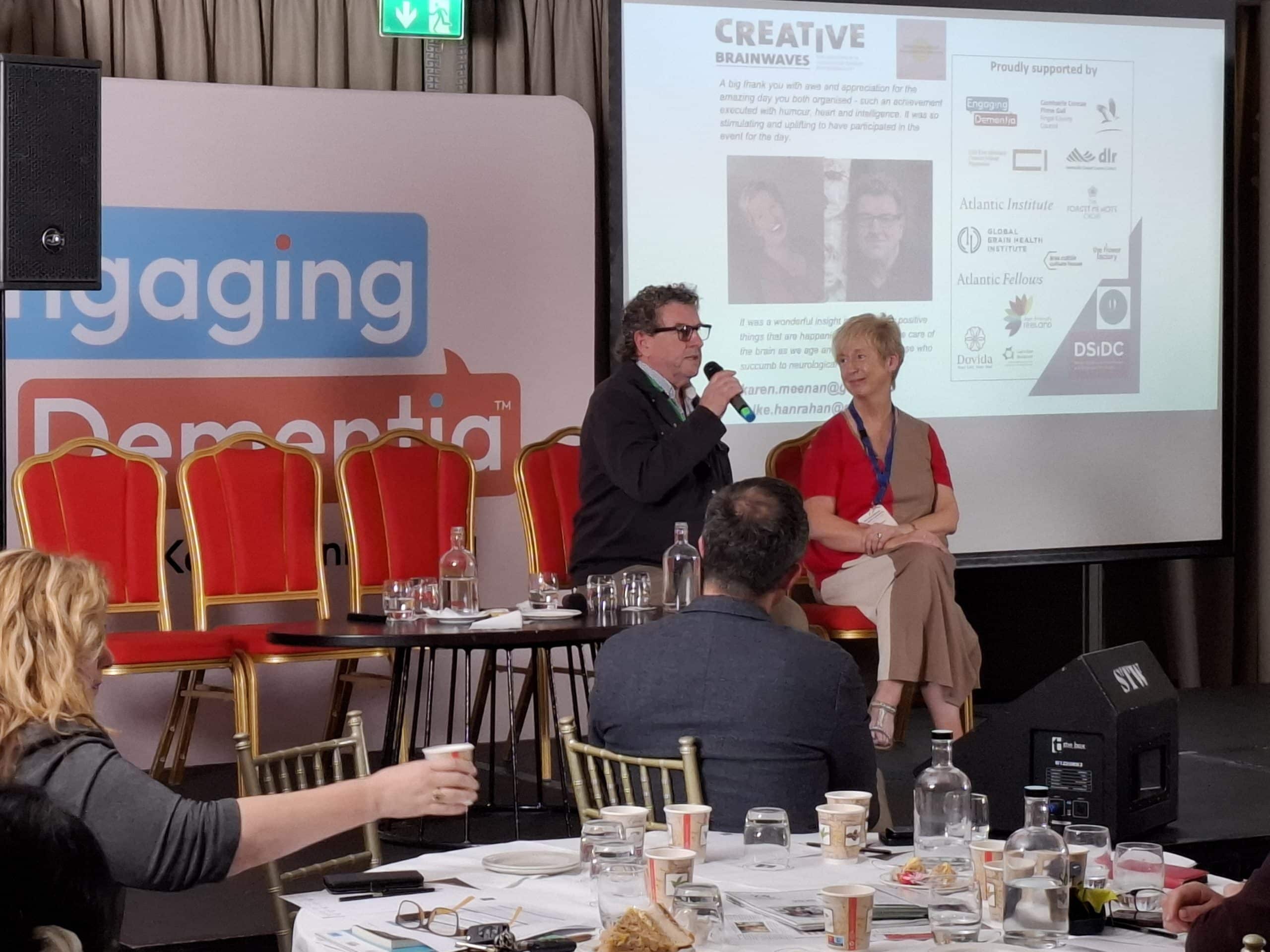
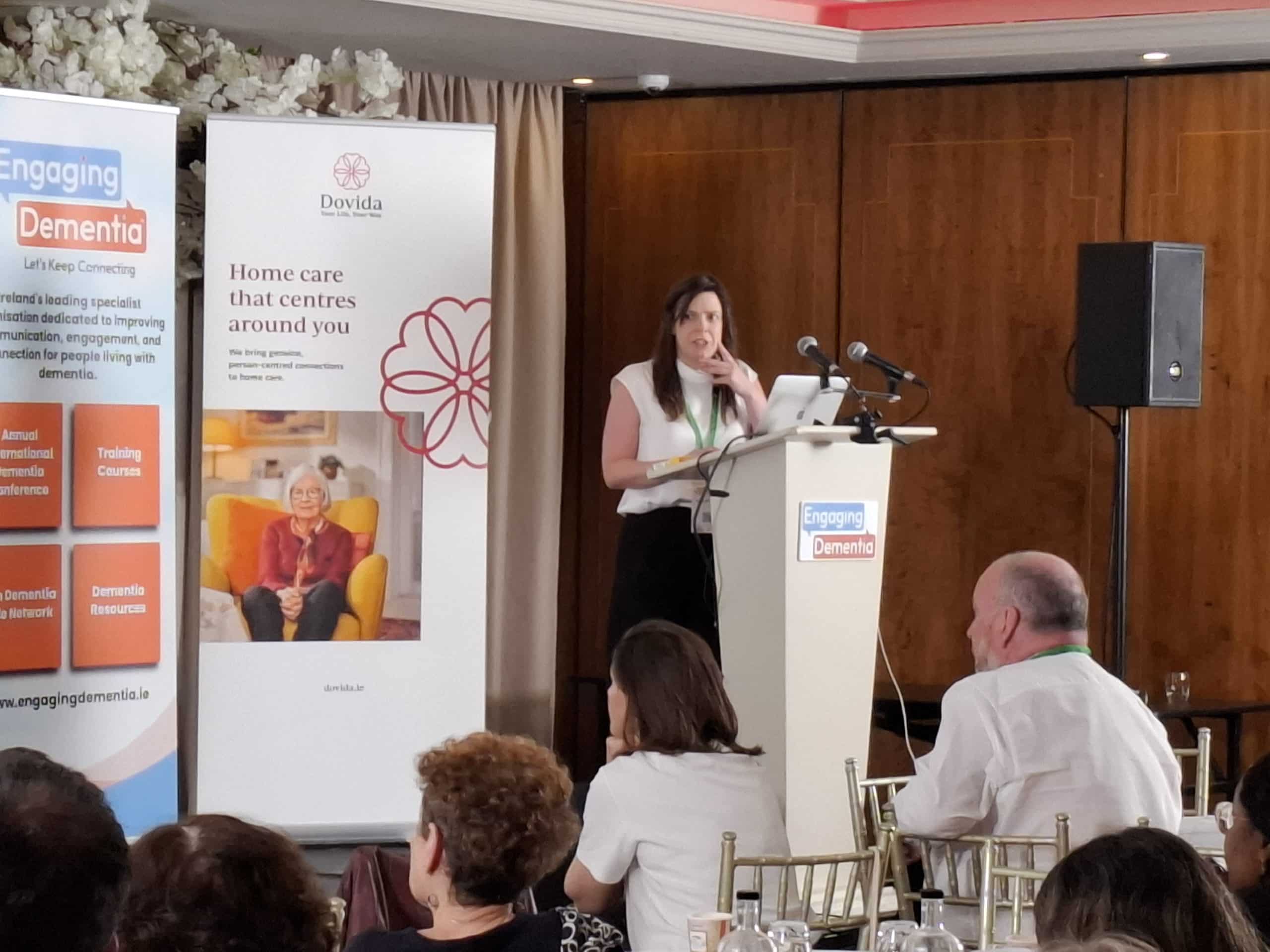
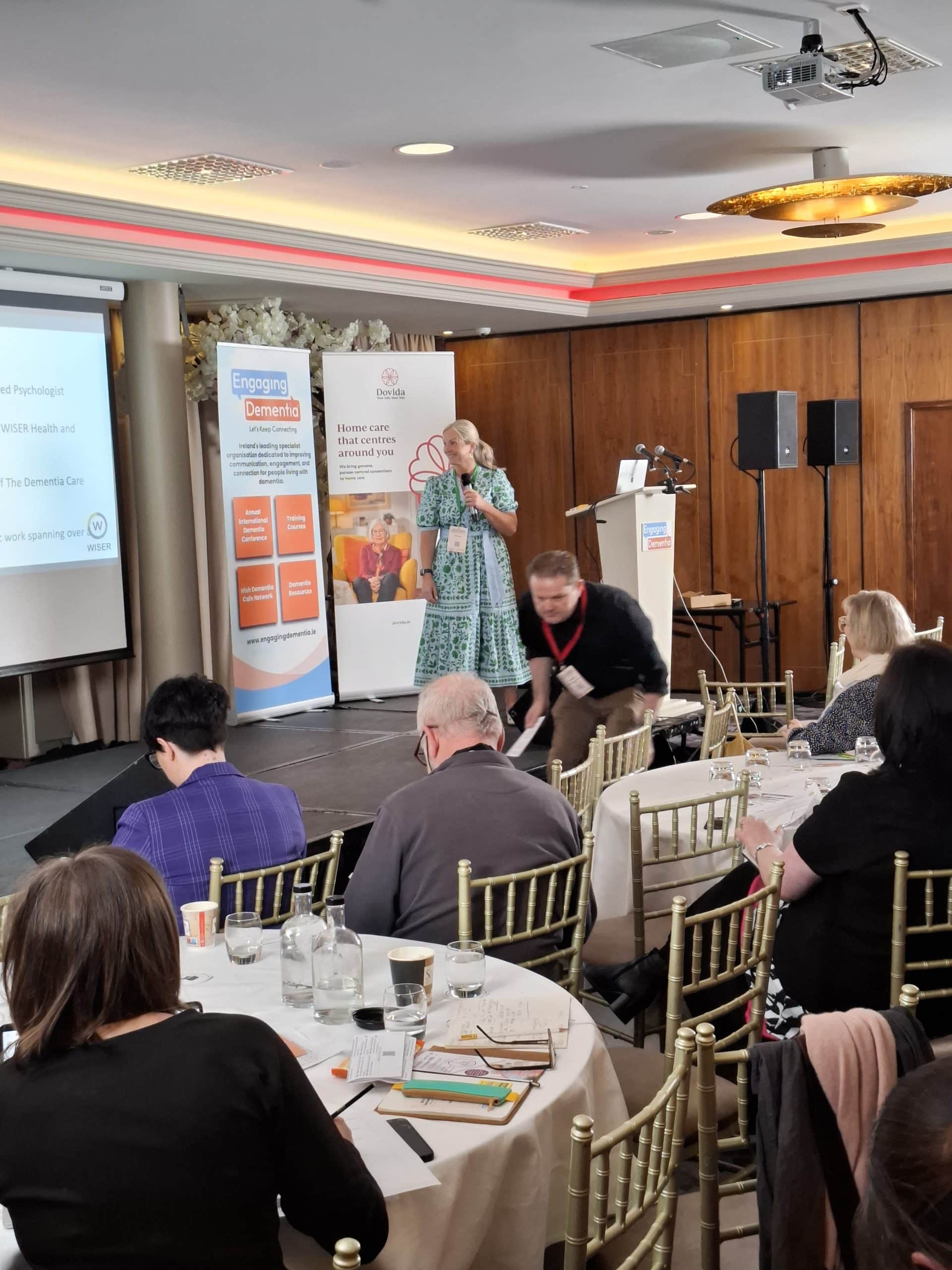
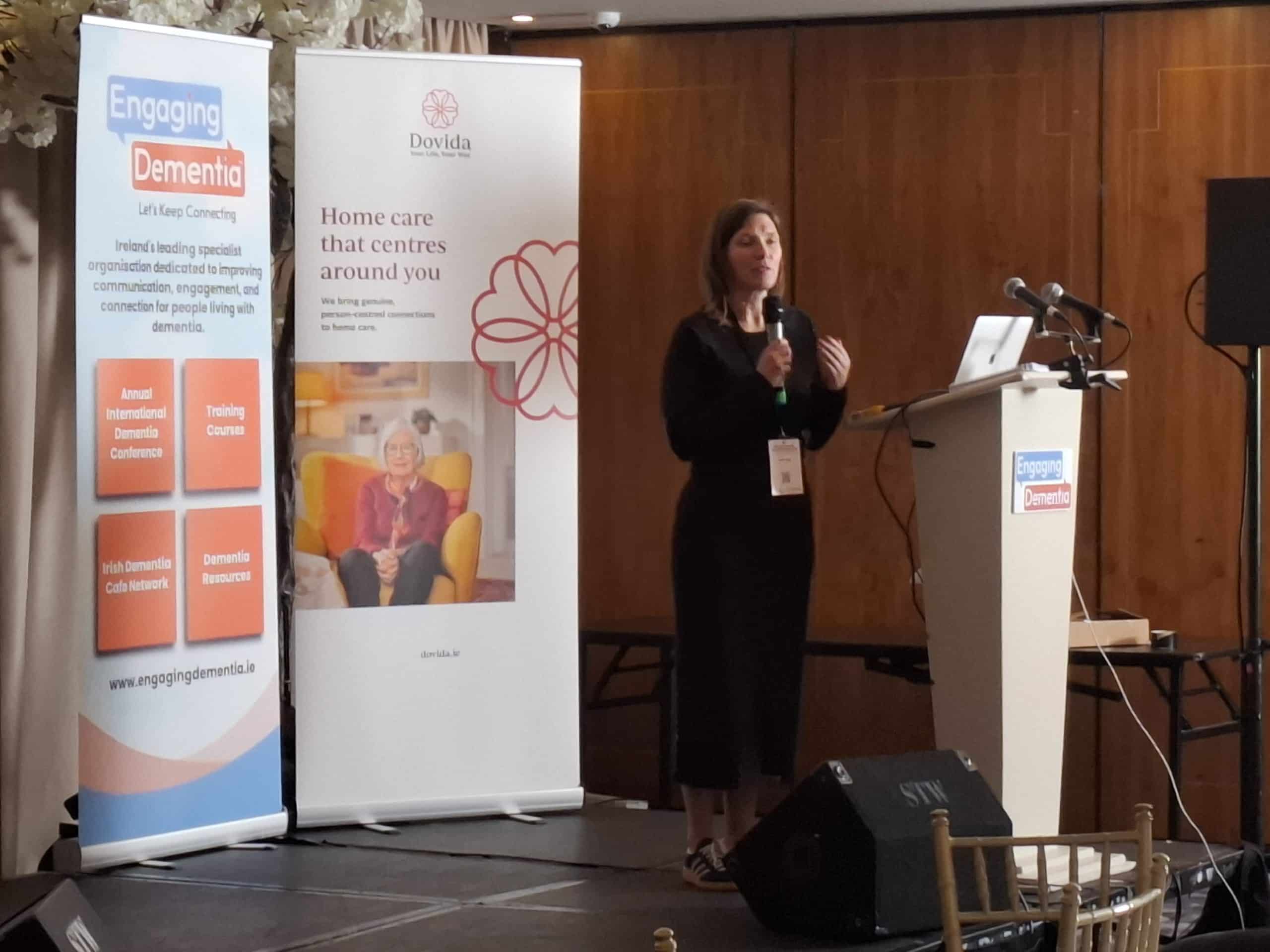
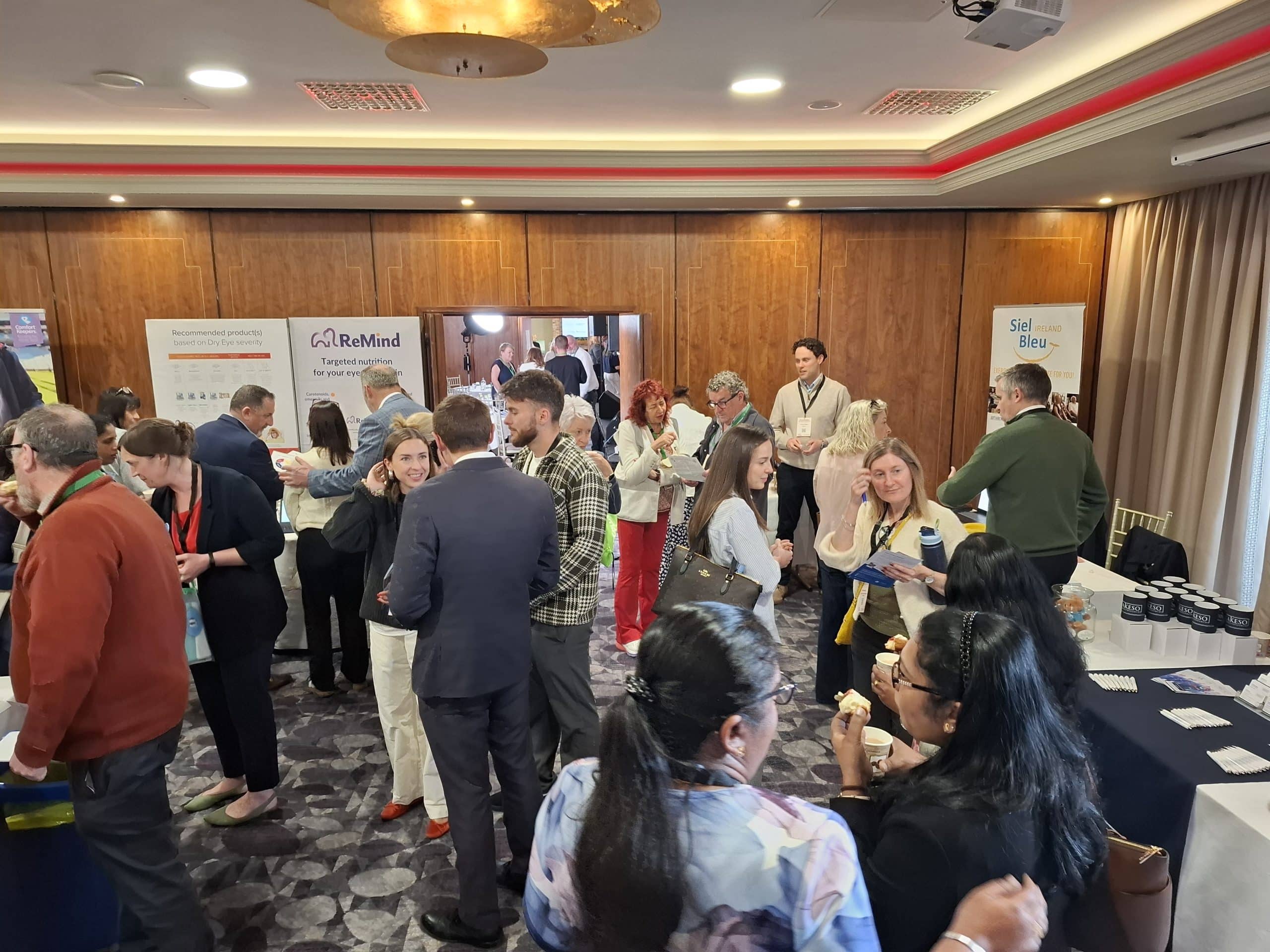
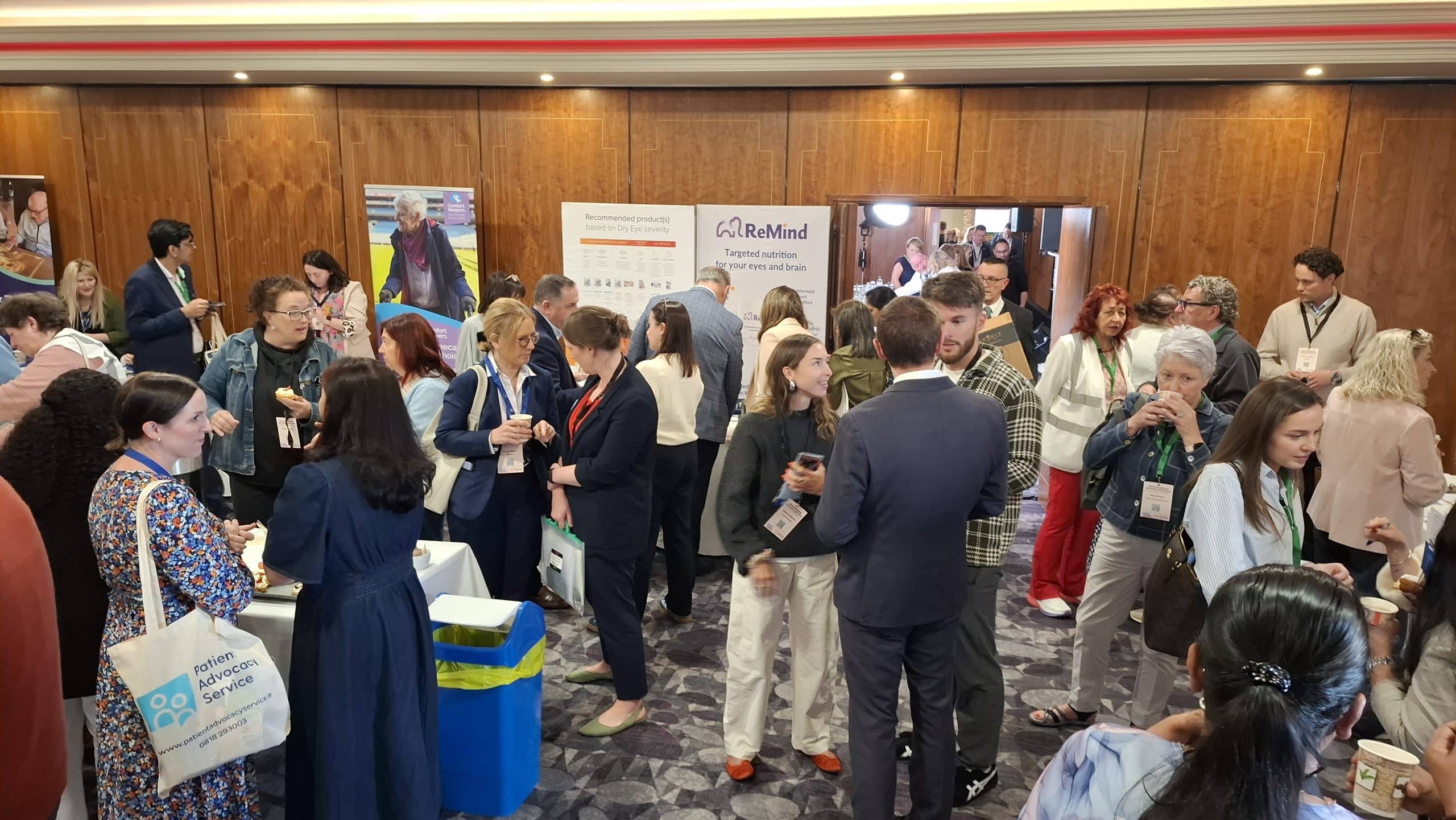
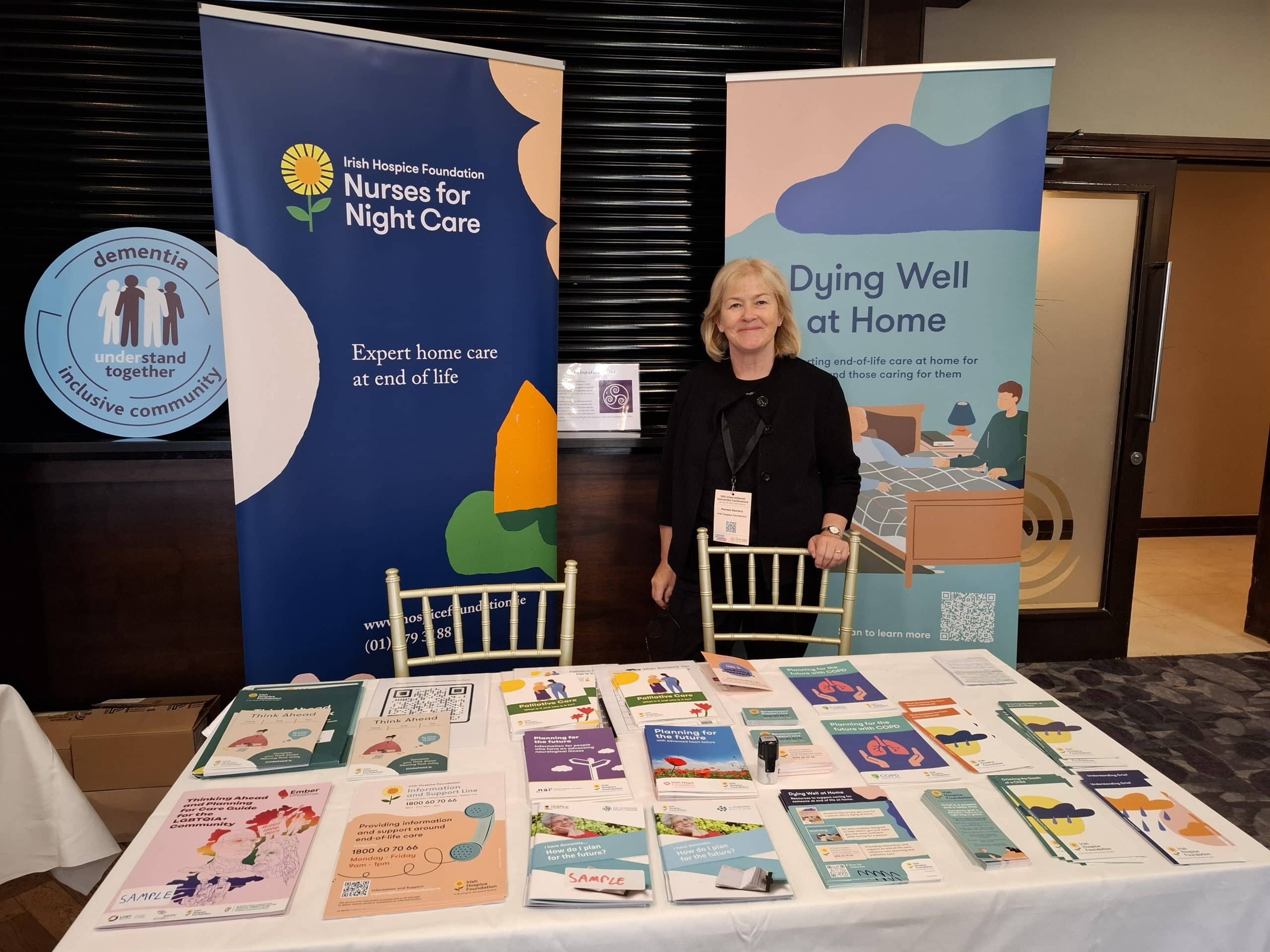
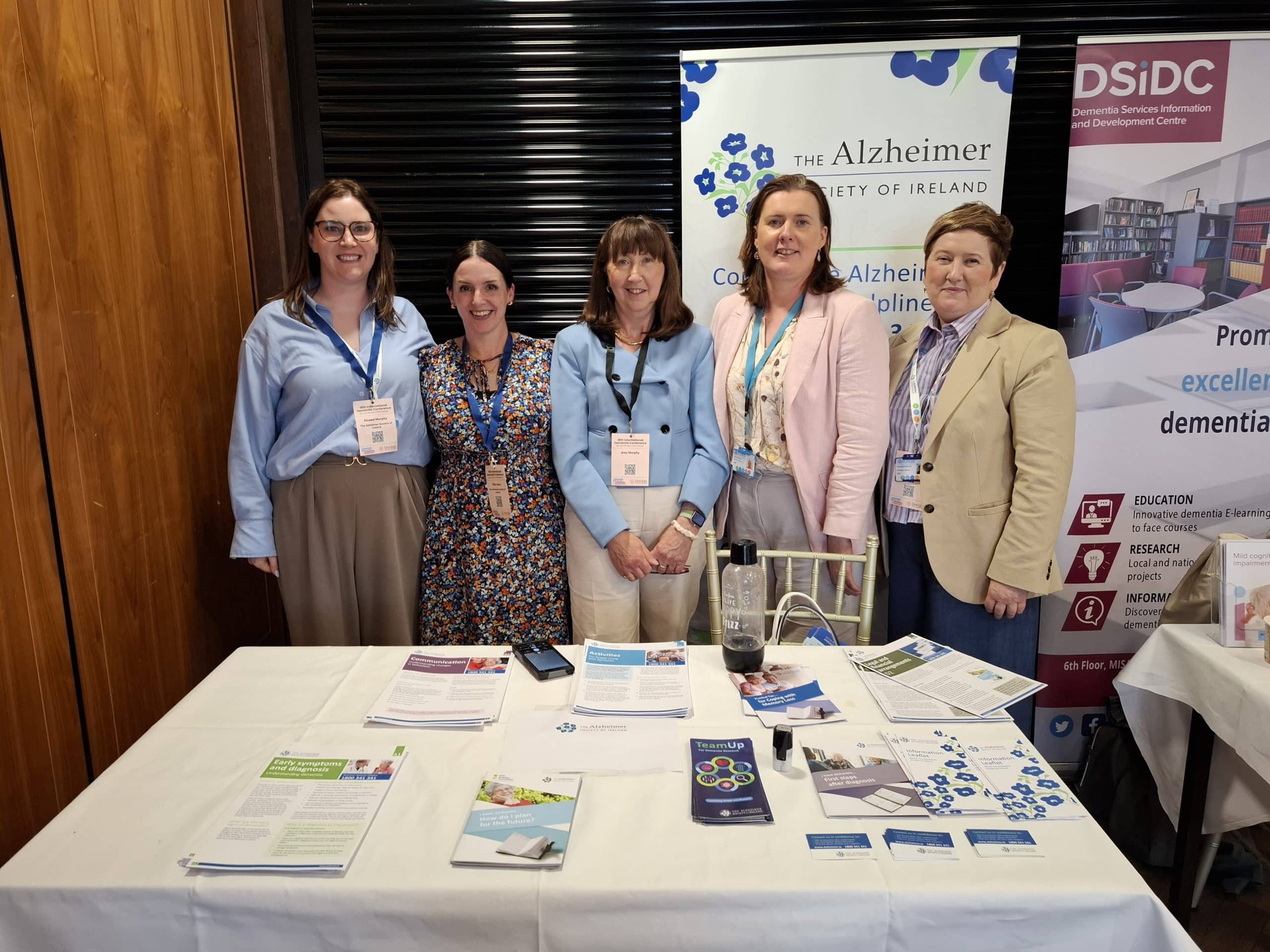
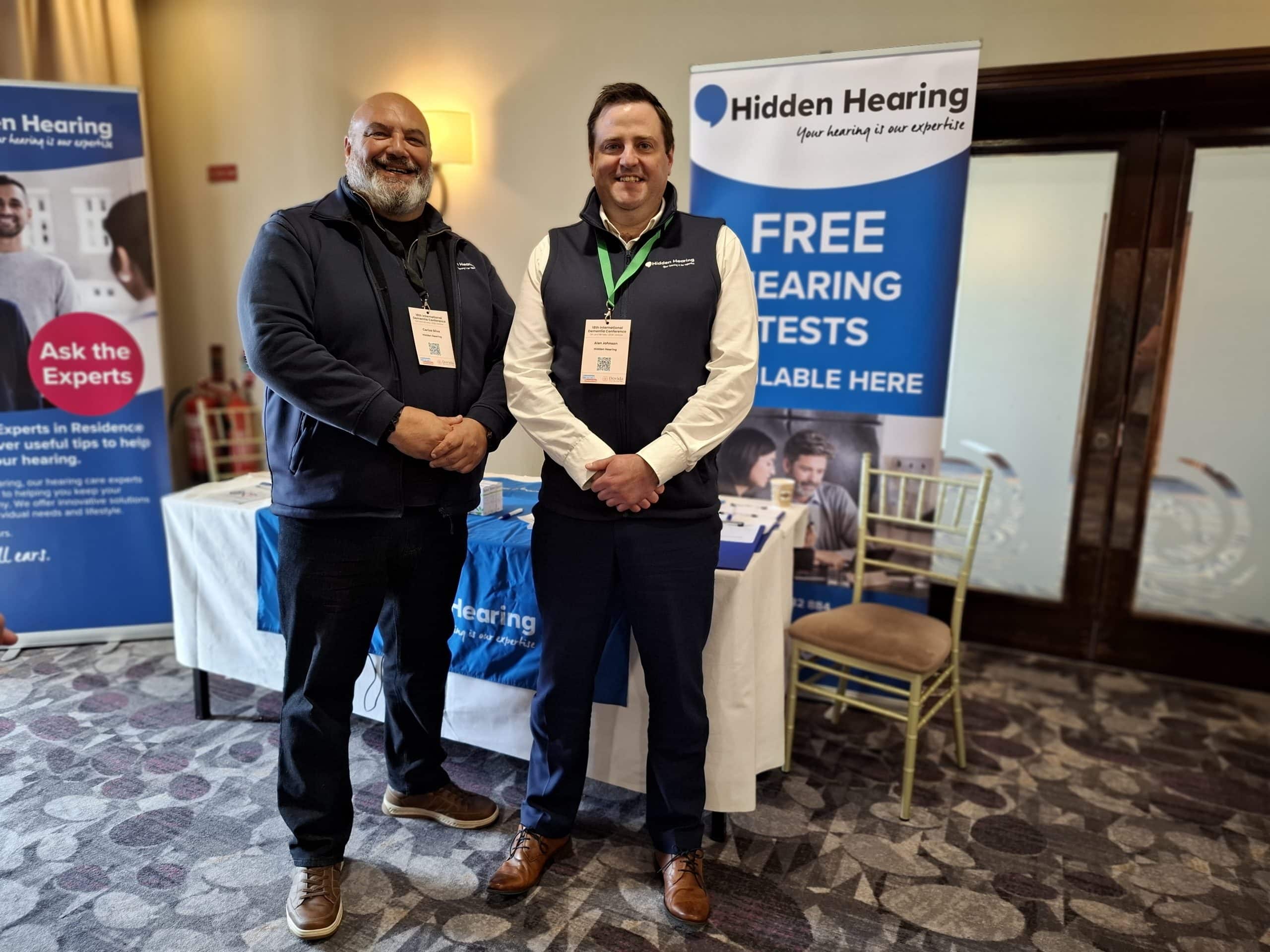
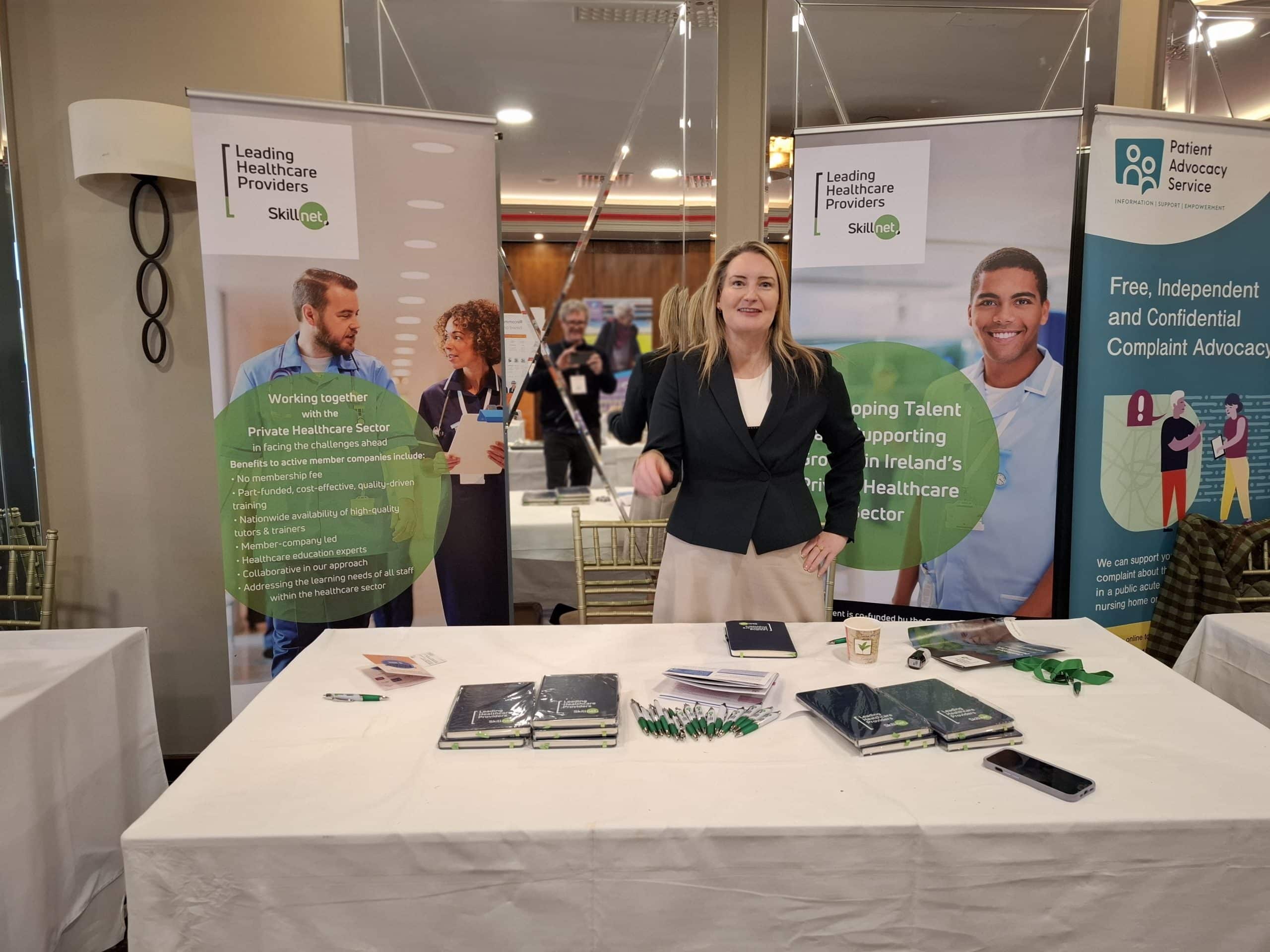
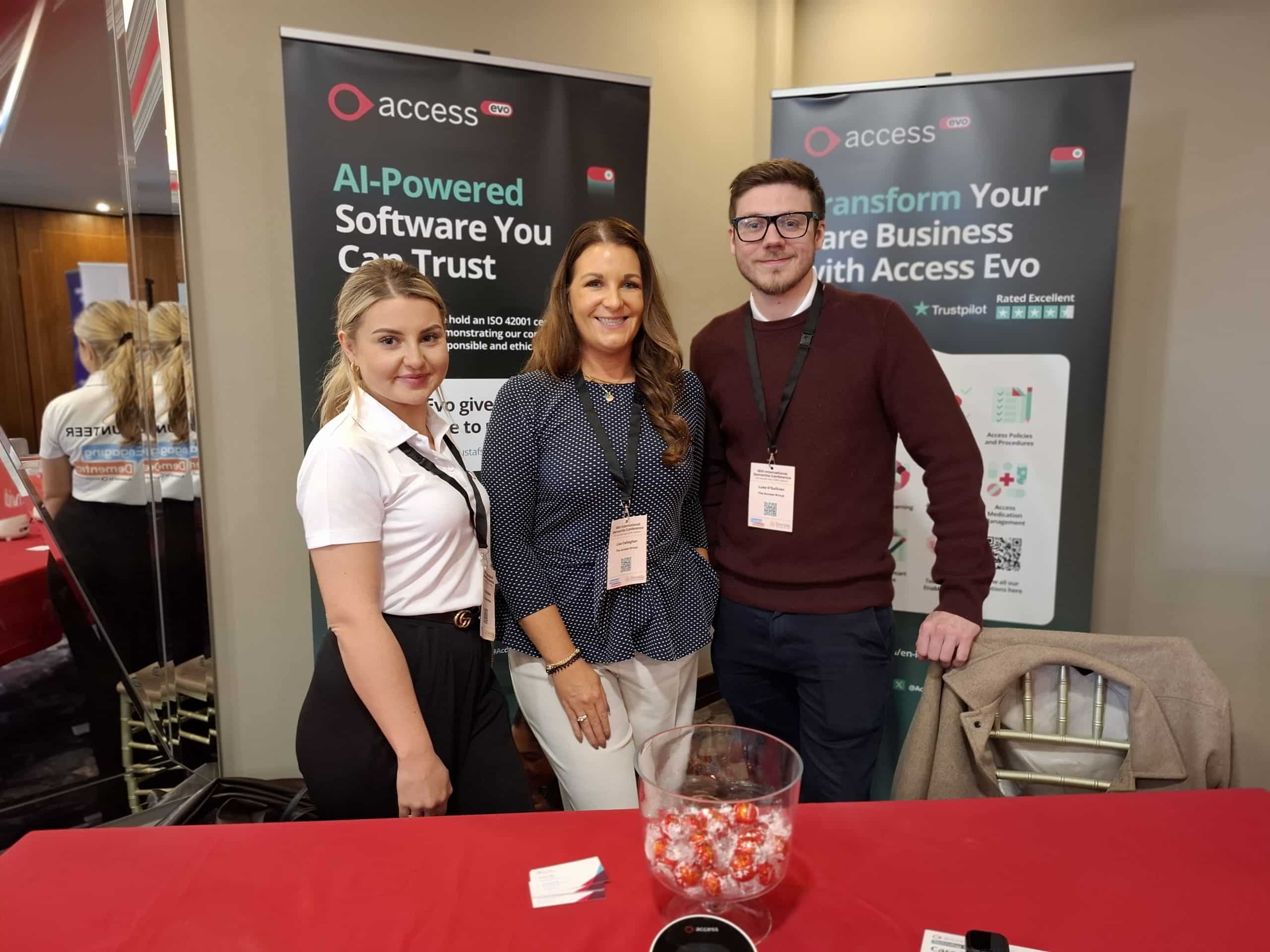
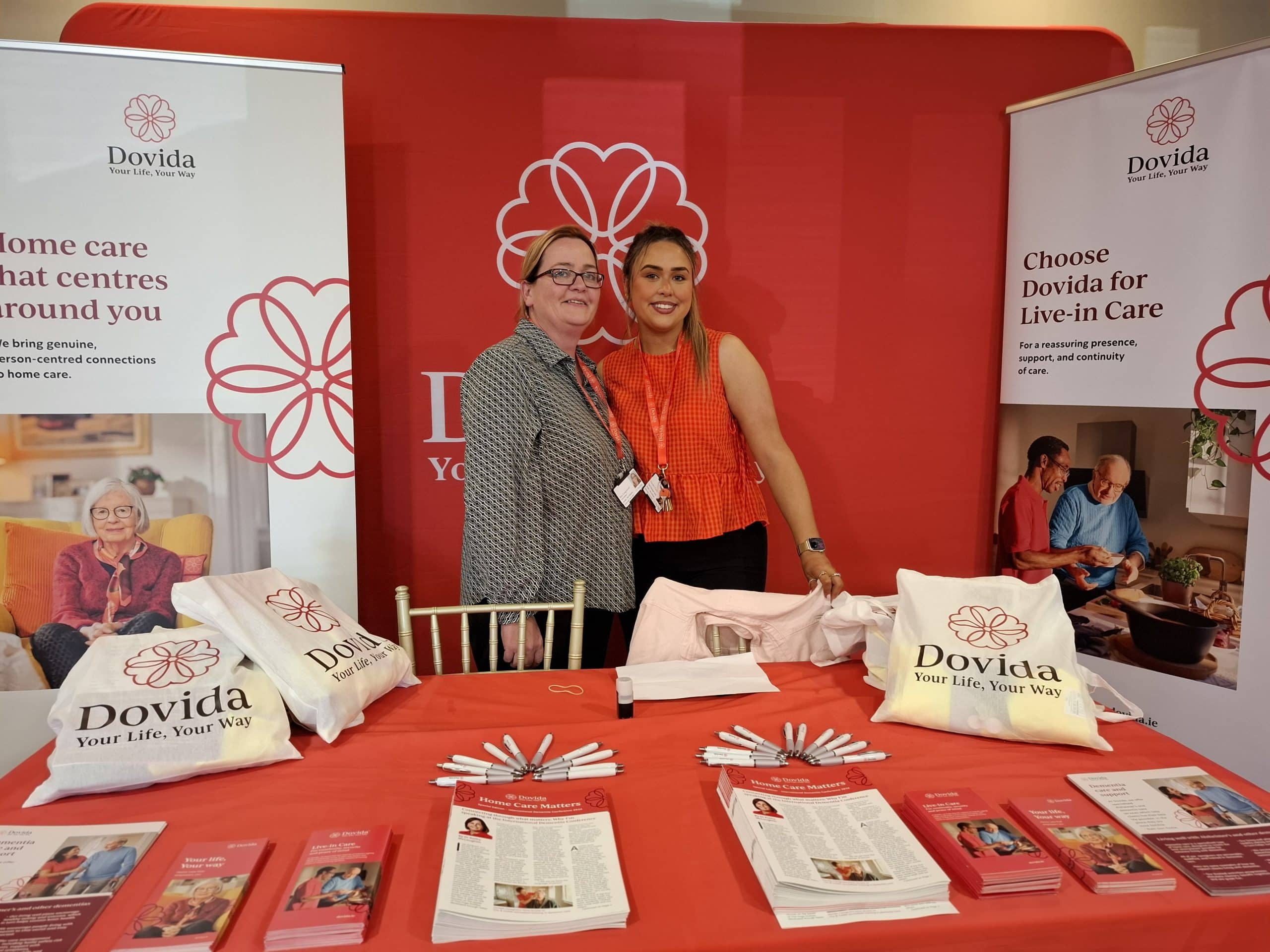
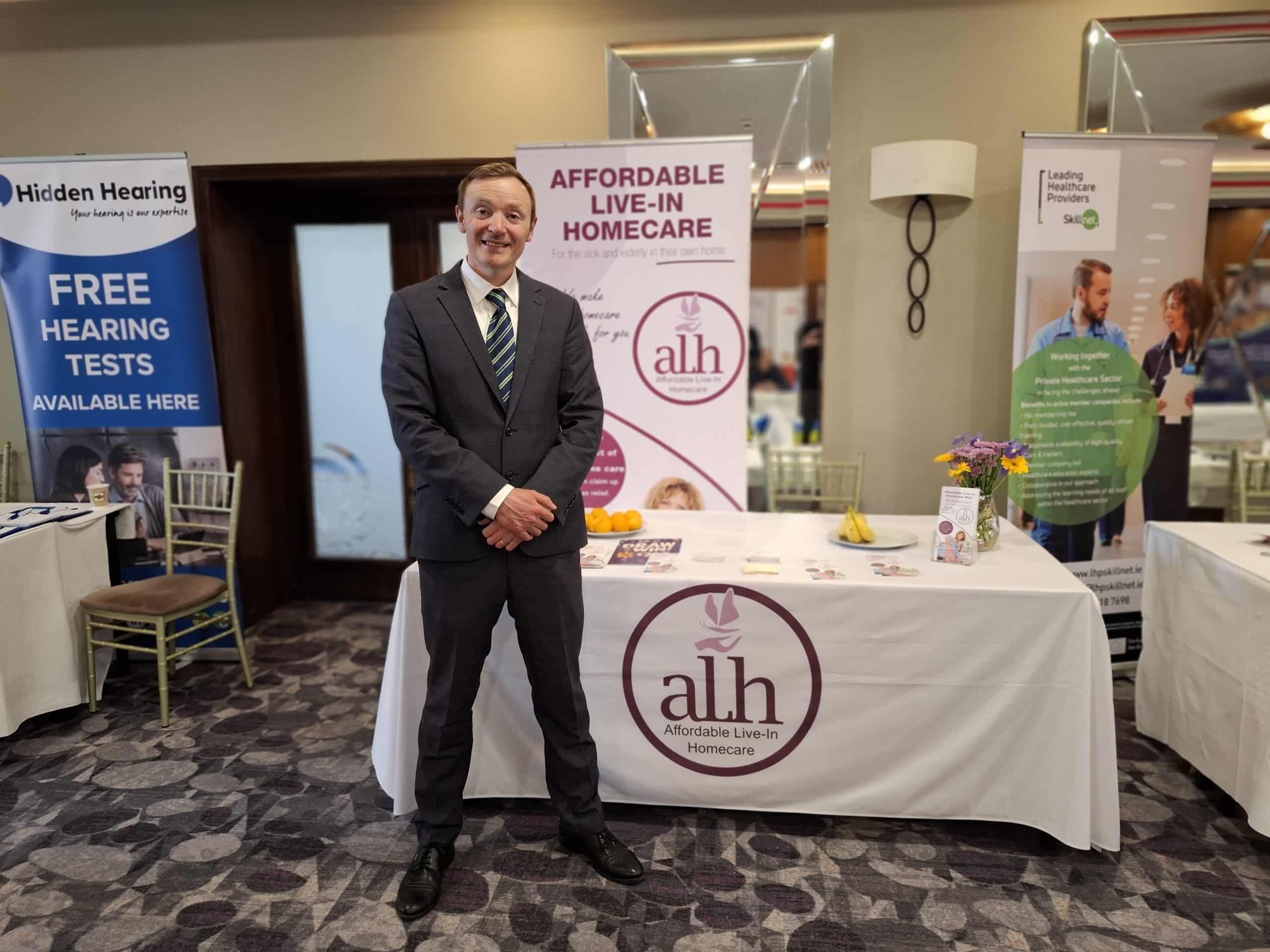
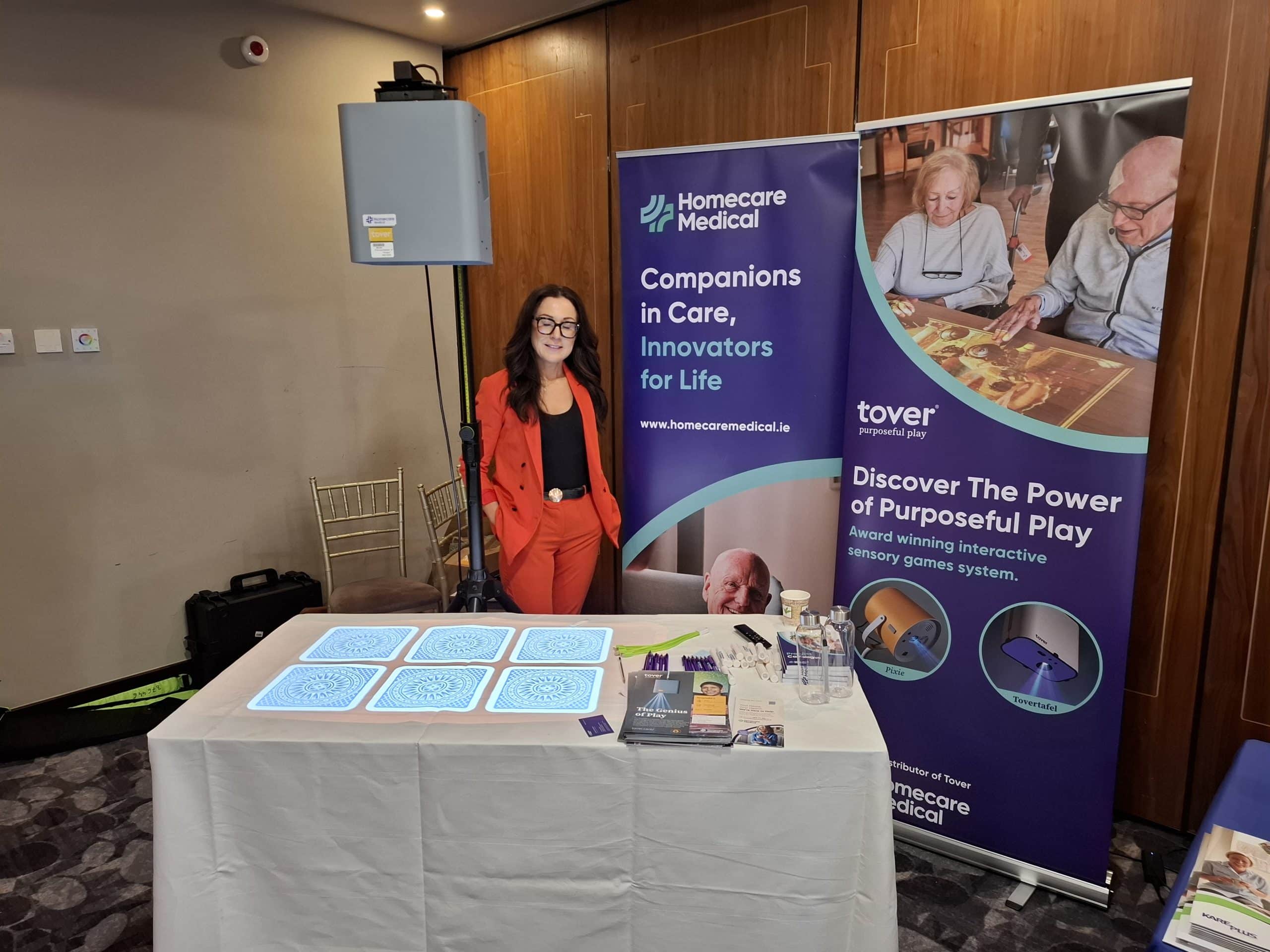
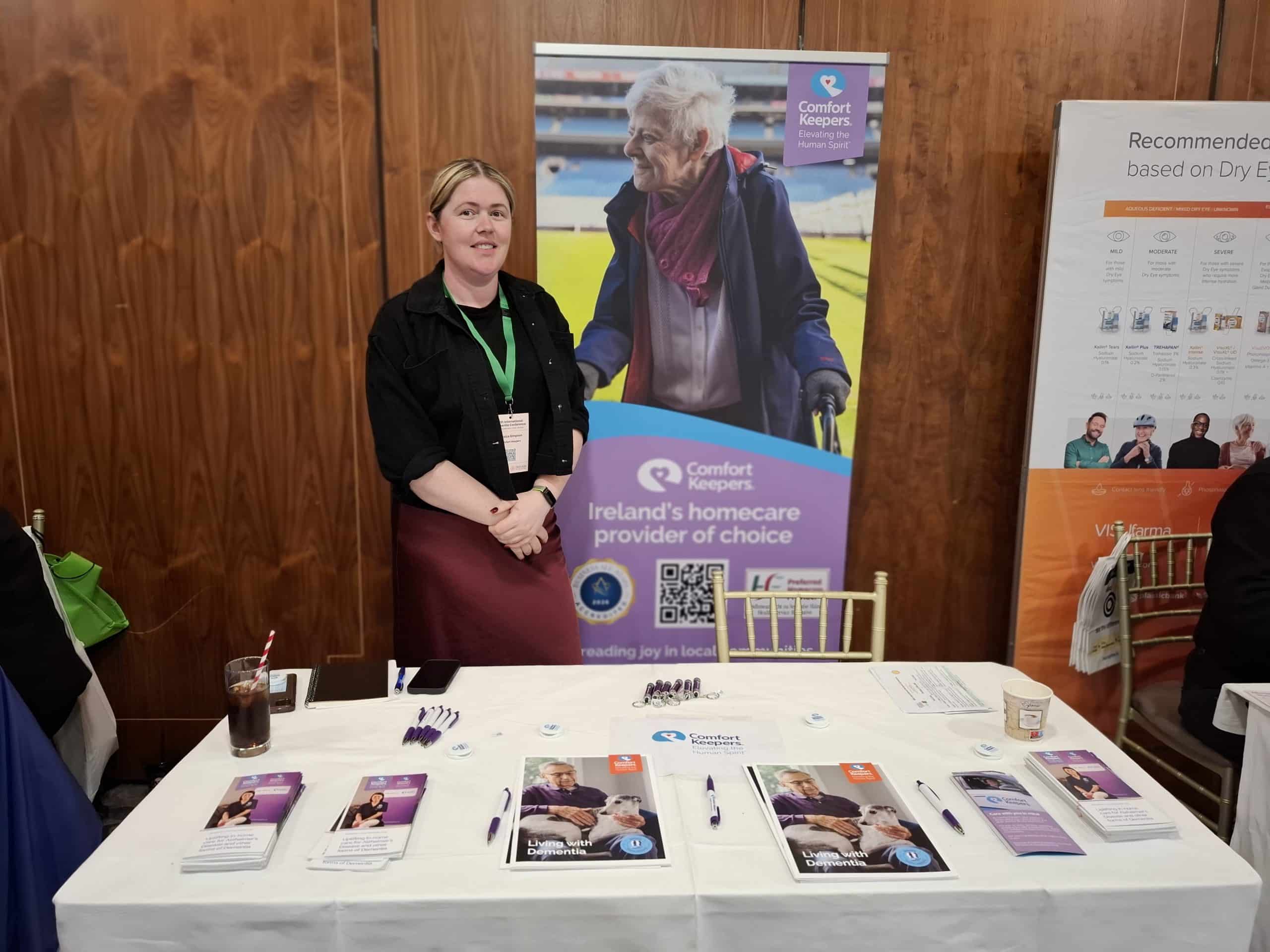
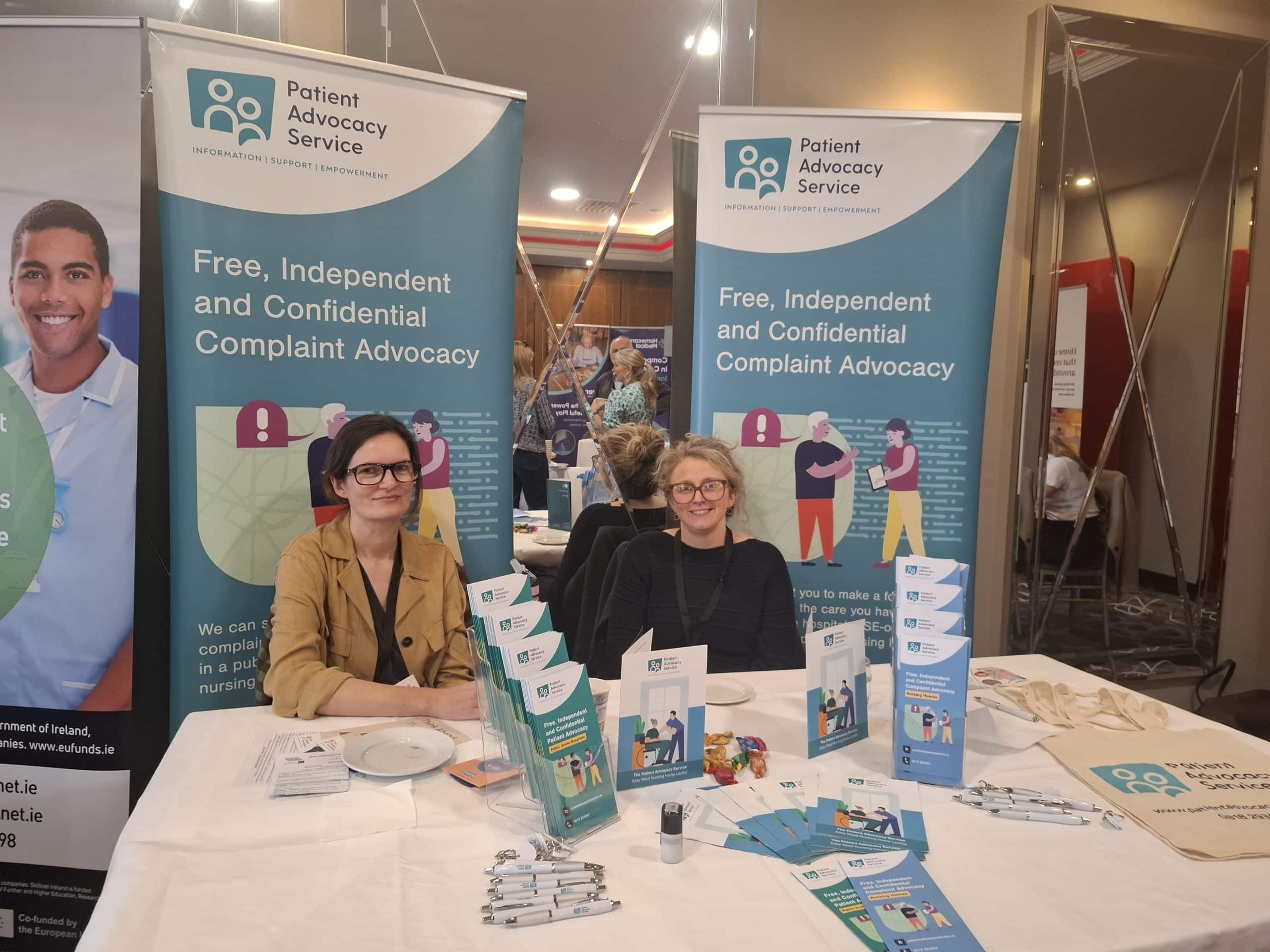
18th International Dementia Conference Photo Gallery
May 2026, Athlone, Co. Roscommon
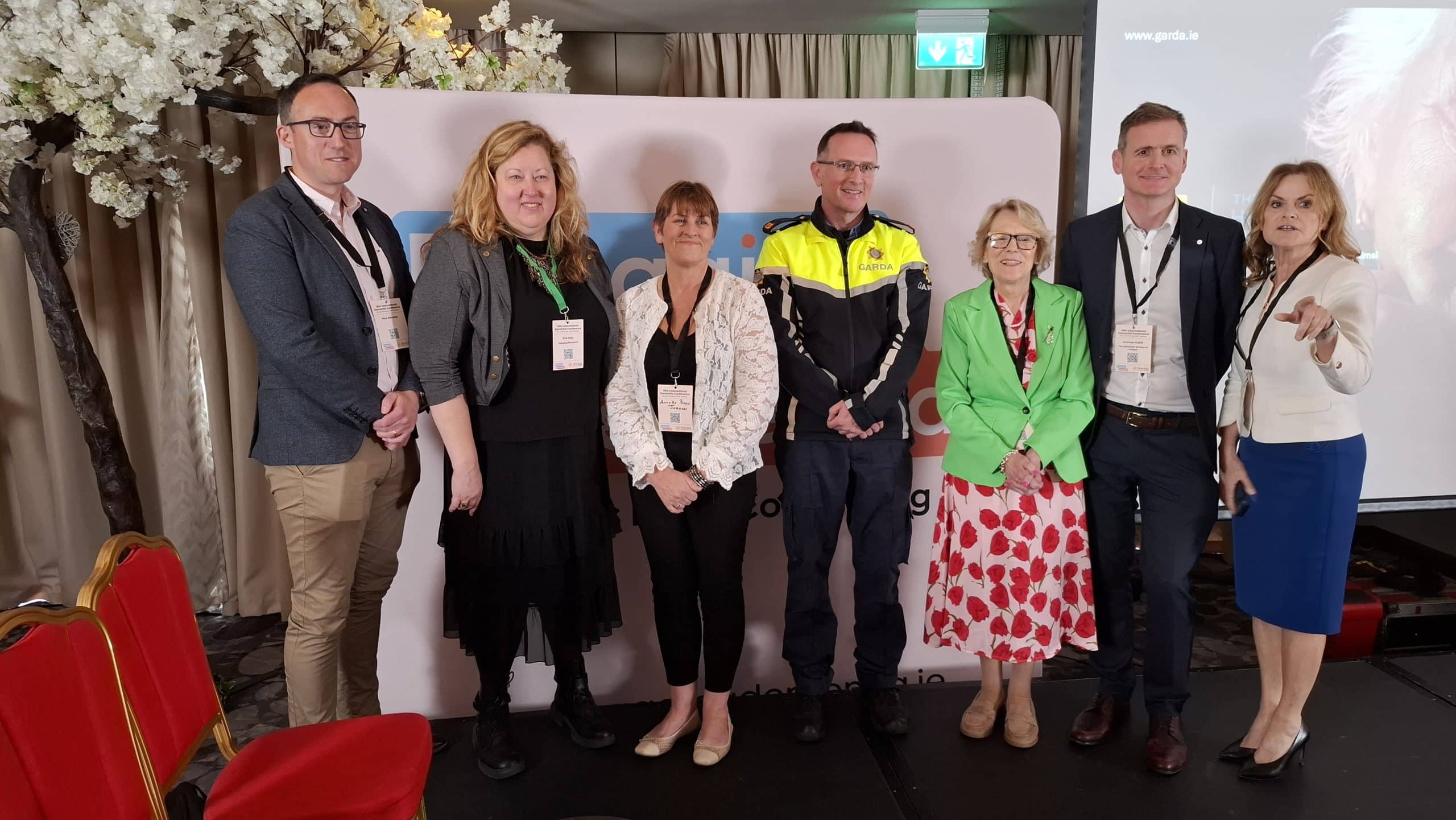
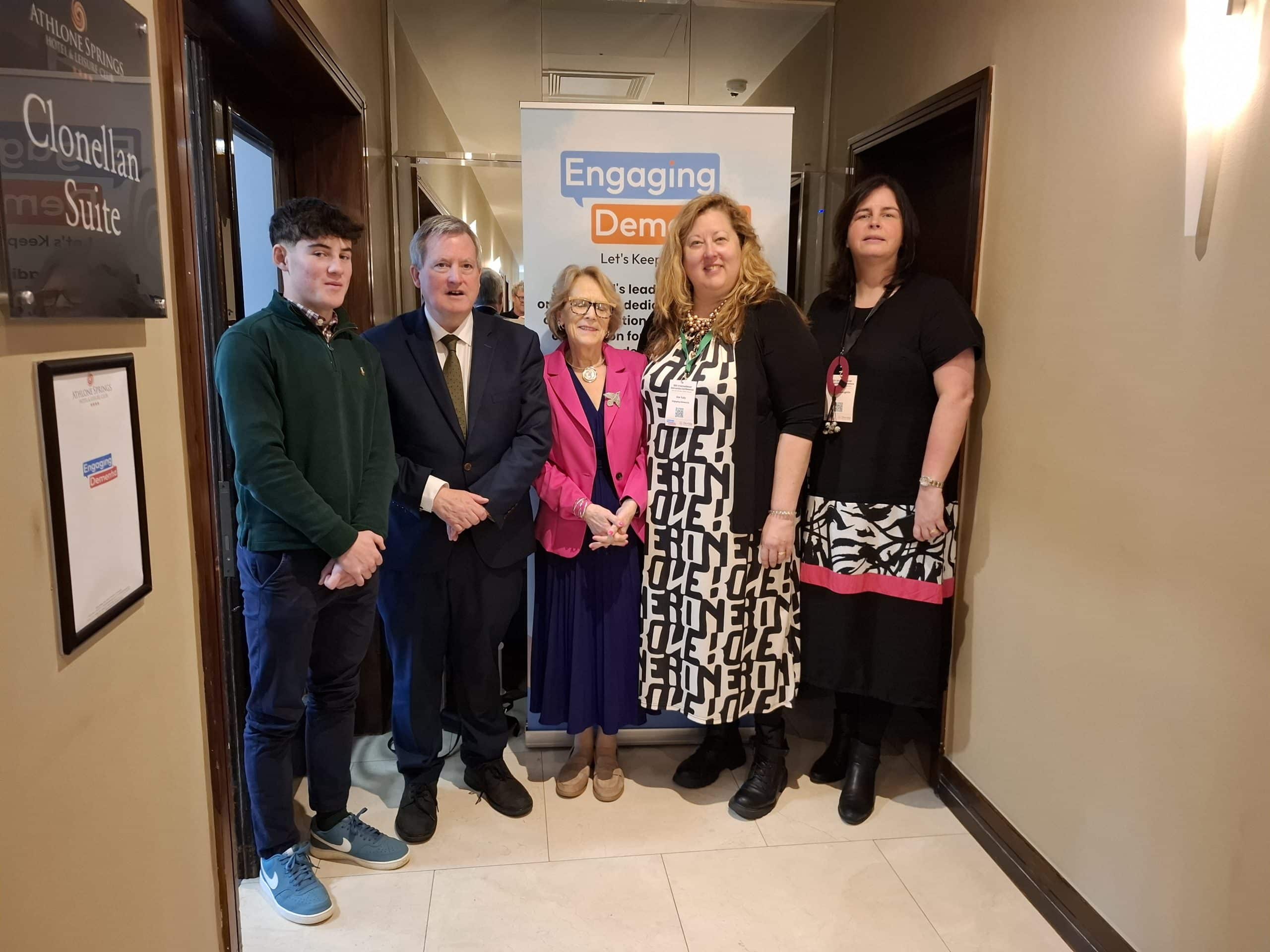
Click on any of the images below to see the full picture in a pop-out window.
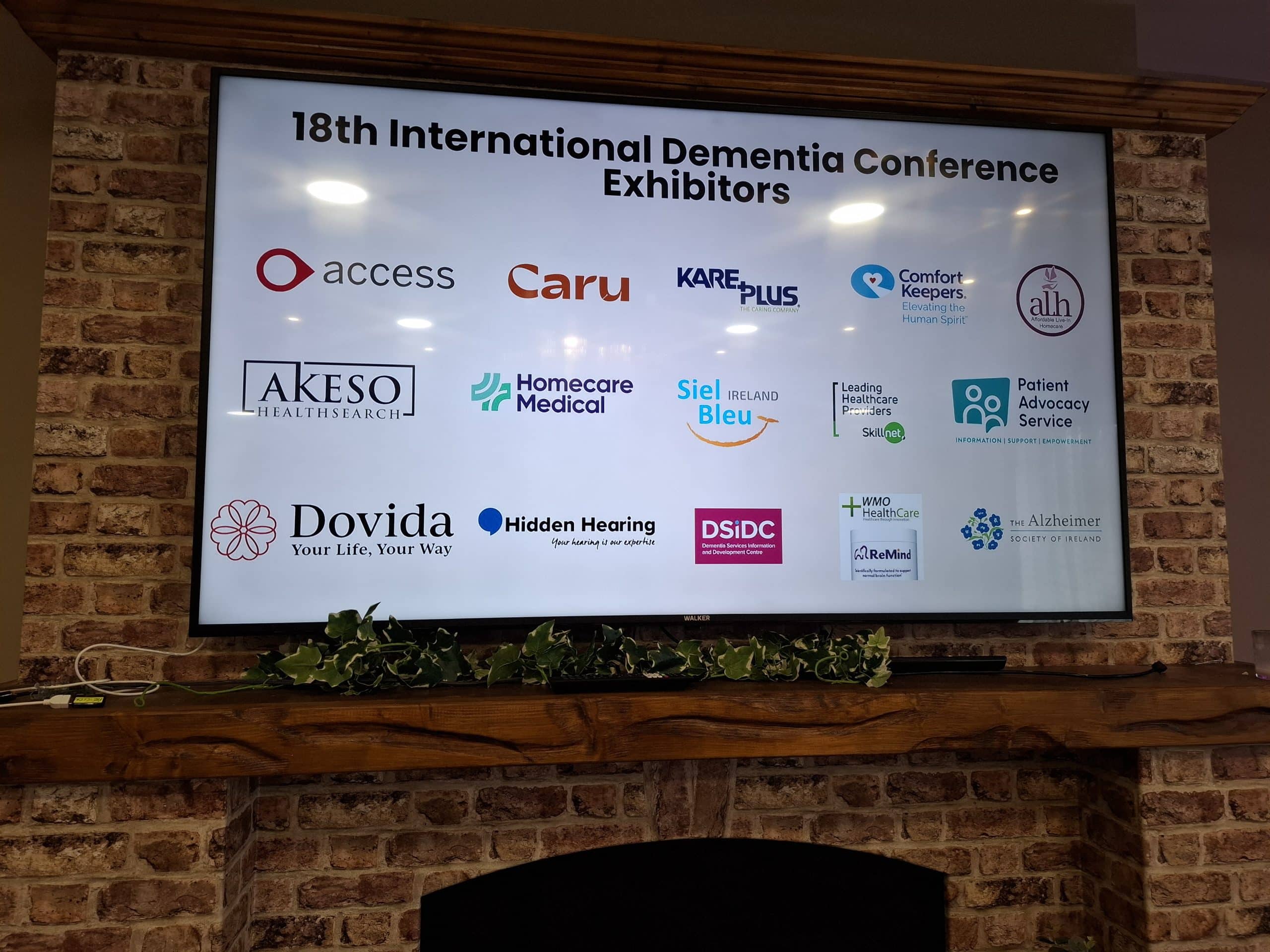
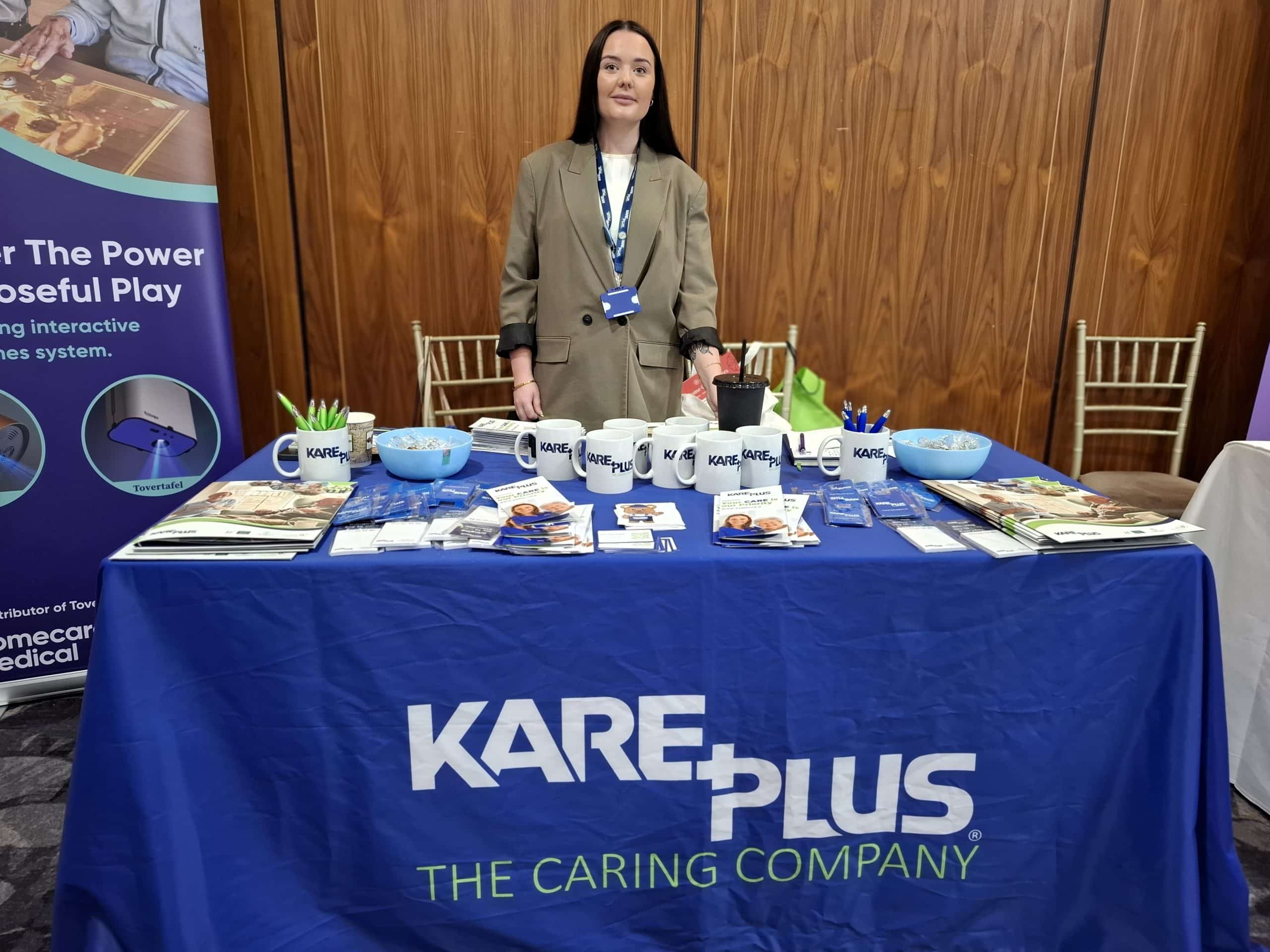
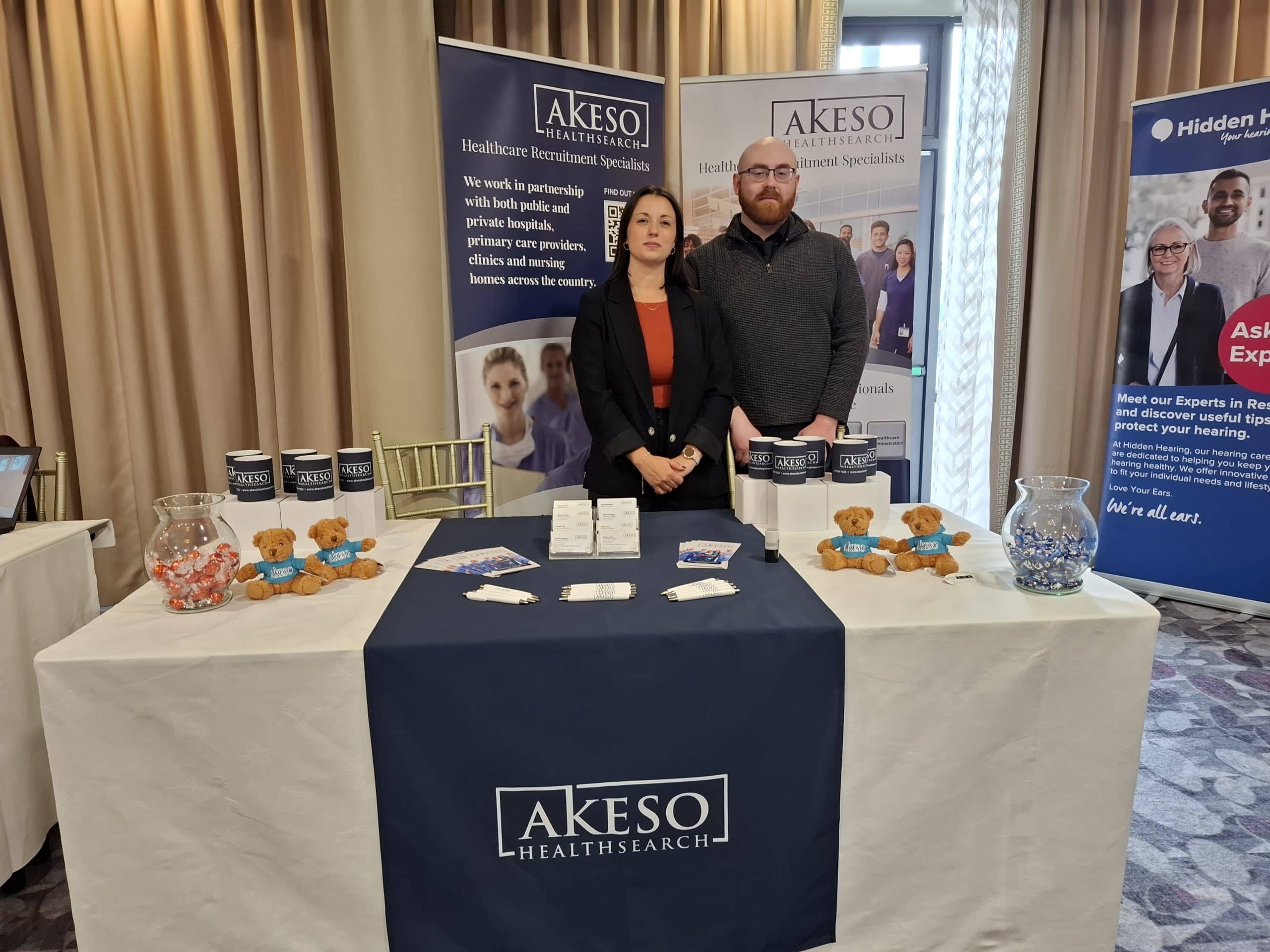
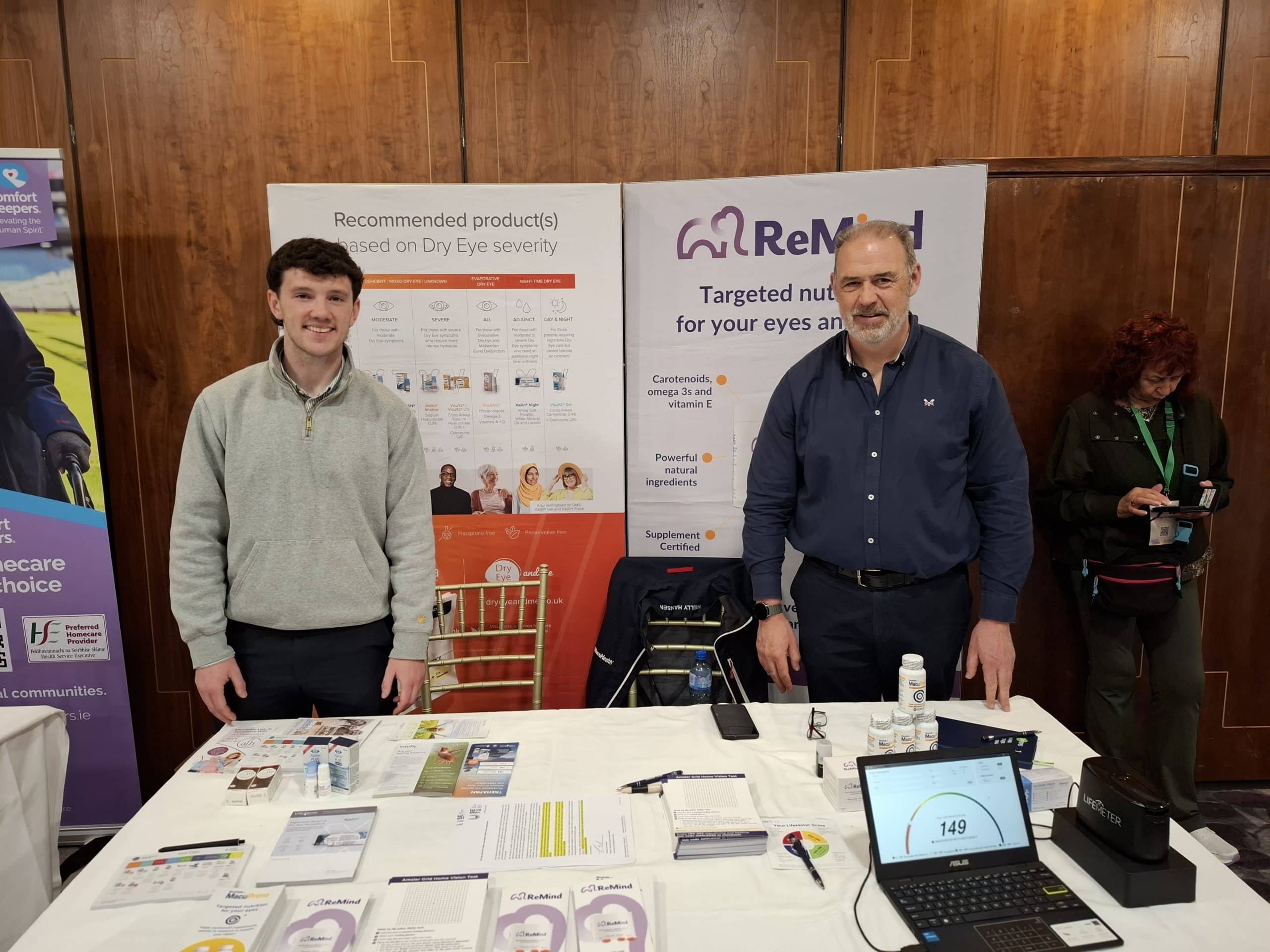
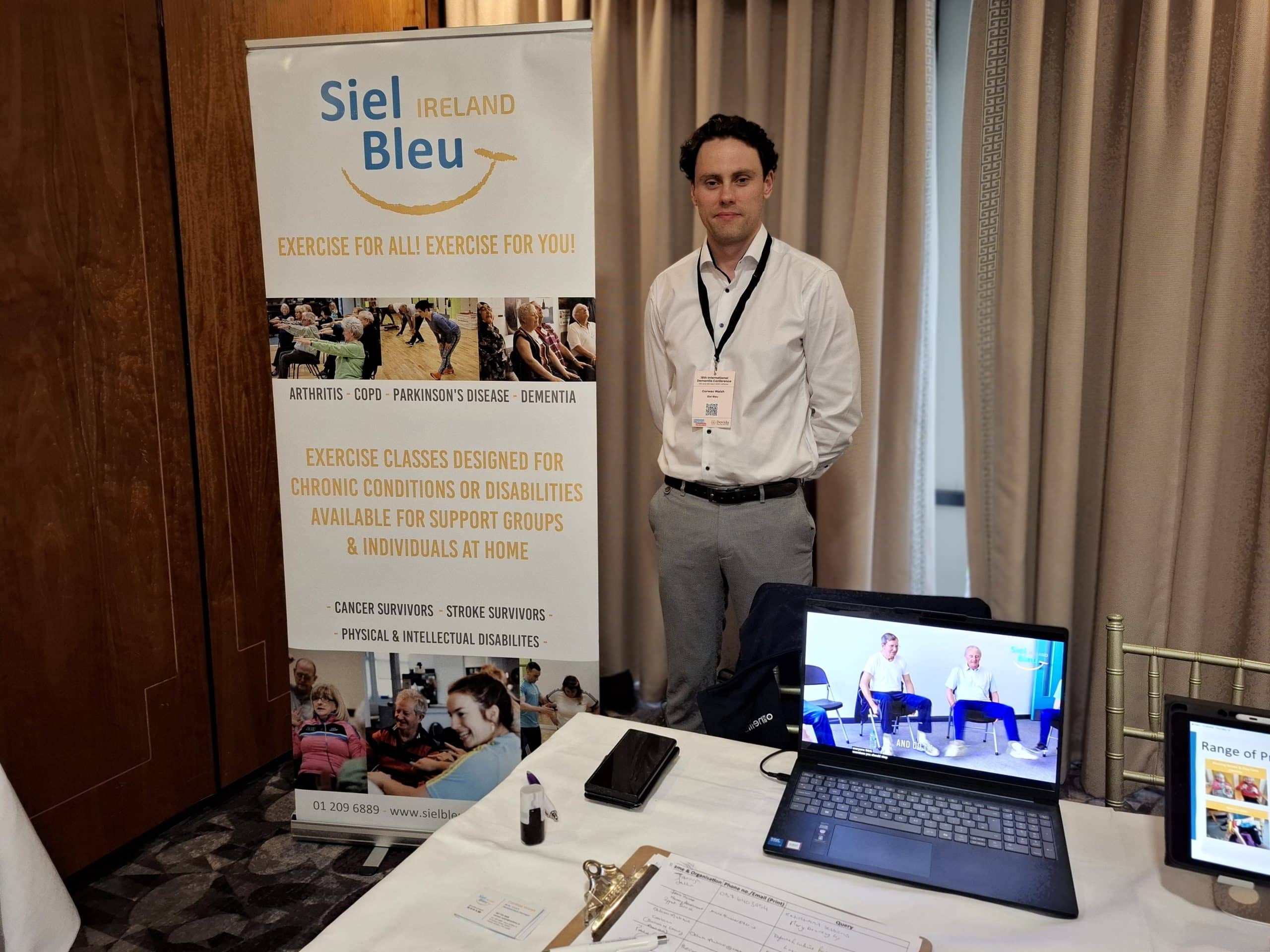
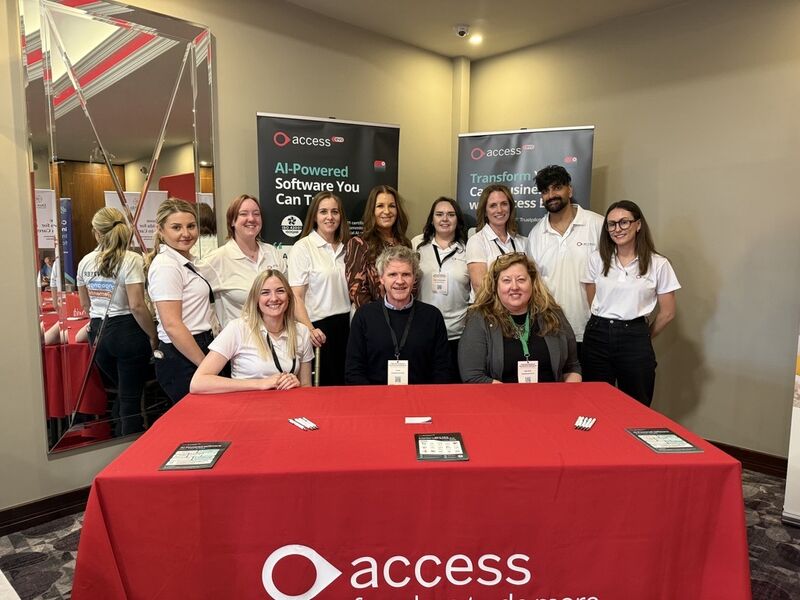
Sponsors & Exhibitors
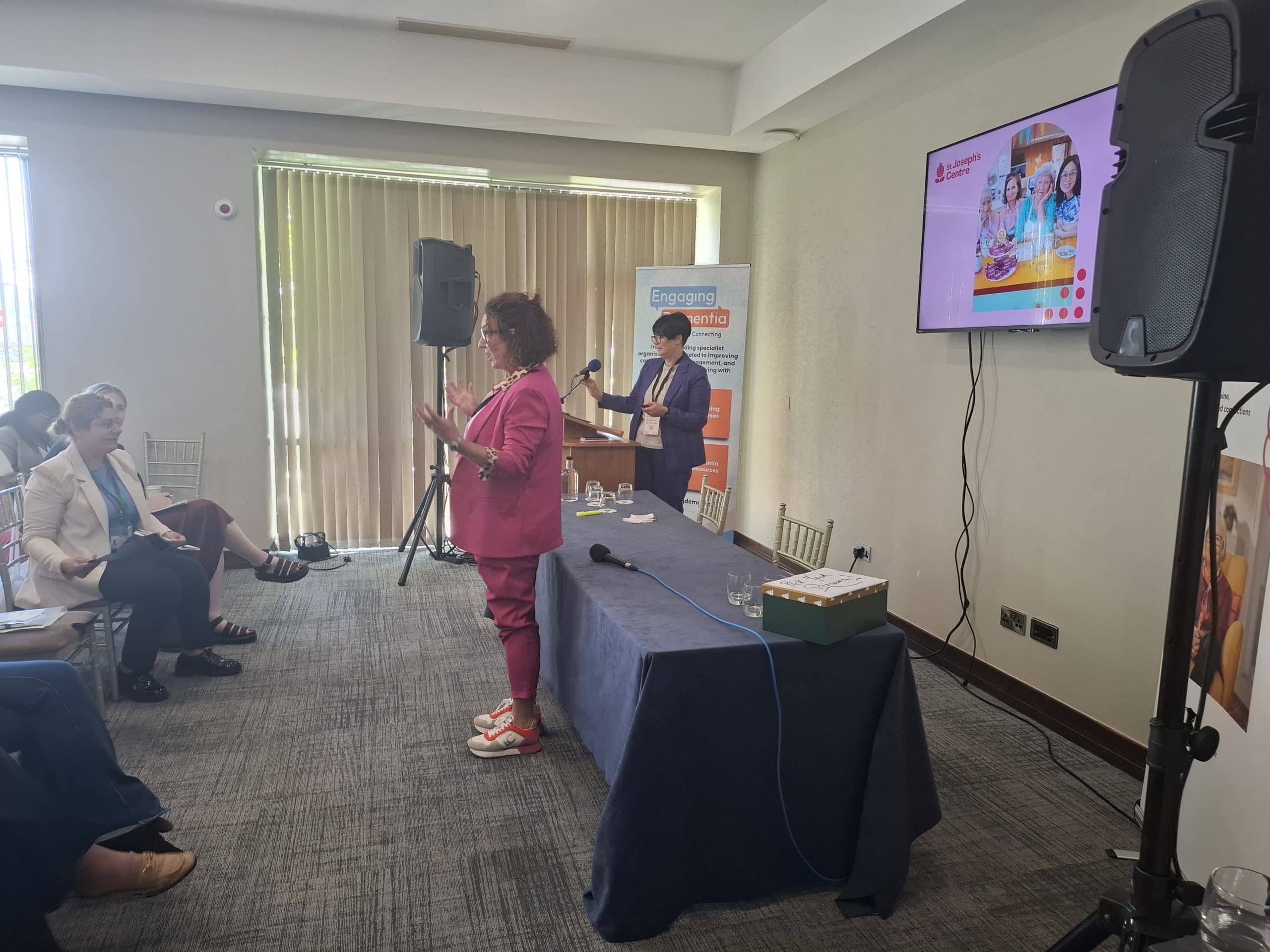
Nearly 200 delegates attended last year’s conference, and more than 80% of attendees said they were highly satisfied and would recommend future events.
Meet the Speakers
This year’s conference welcomes national and international speakers, including:

Dr. Kellyn Lee
Chartered Psychologist and Research Fellow - Aging and Dementia and Co-Director of the Doctoral Training Centre for Dementia Care at the University of Southampton.
Jo De Clerq
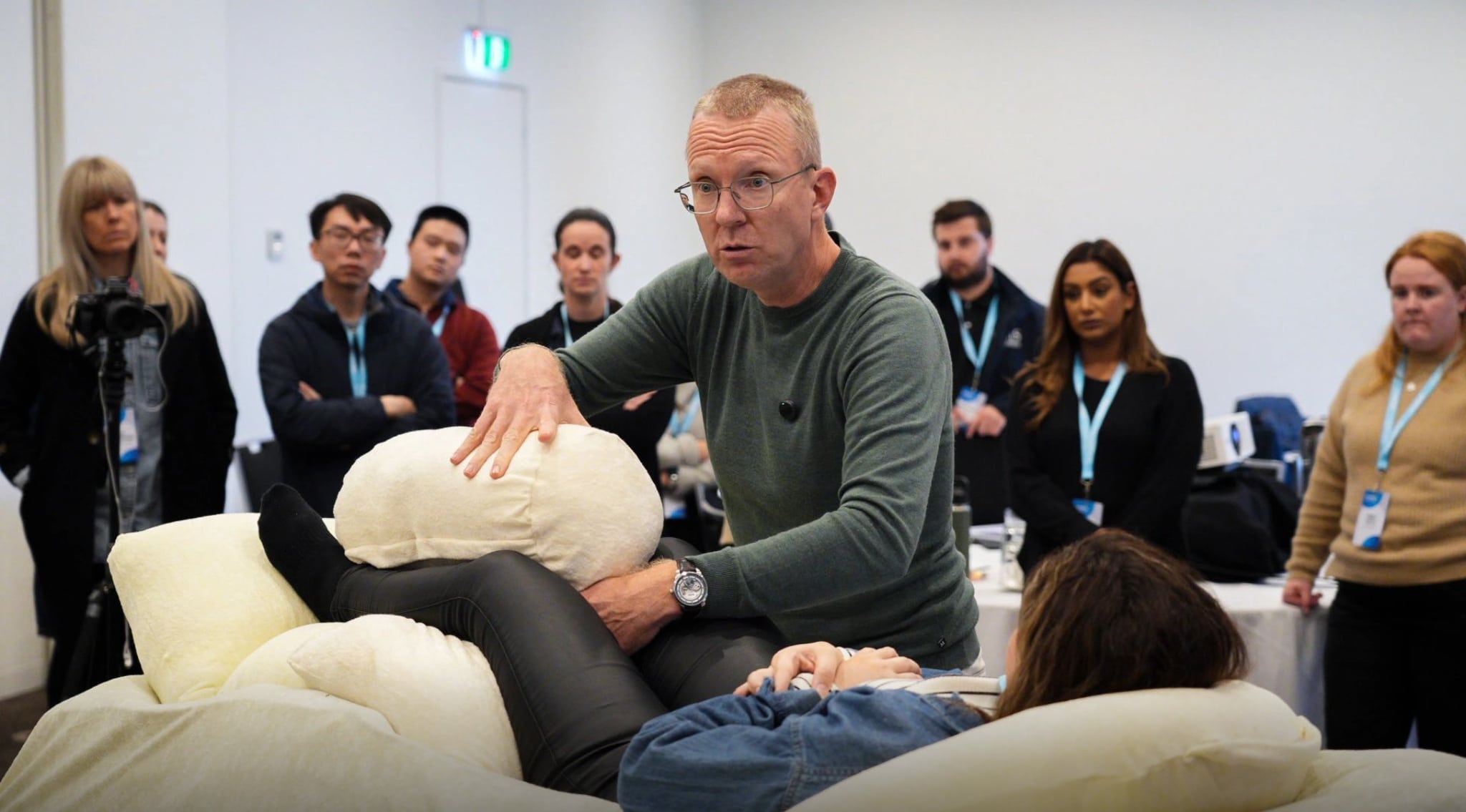
Jo is a Belgian physiotherapist who specialises in the transdisciplinary 24-hour ComfortCare approach for people with more progressed dementia. He has worked successfully for over 20 years to minimise the negative effects of paratonia, such as taking on fetal posture, development of contractures, structural postural deformations & movement restrictions. Jo’s training has a particular emphasis on the prevention of all the negative effects, by giving to right therapy-led answer to paratonia. Jo will deliver his presentation at the conference representing his independent consultancy, ComfortCare. To learn more about Jo, please visit: Jo De Clercq | LinkedIn
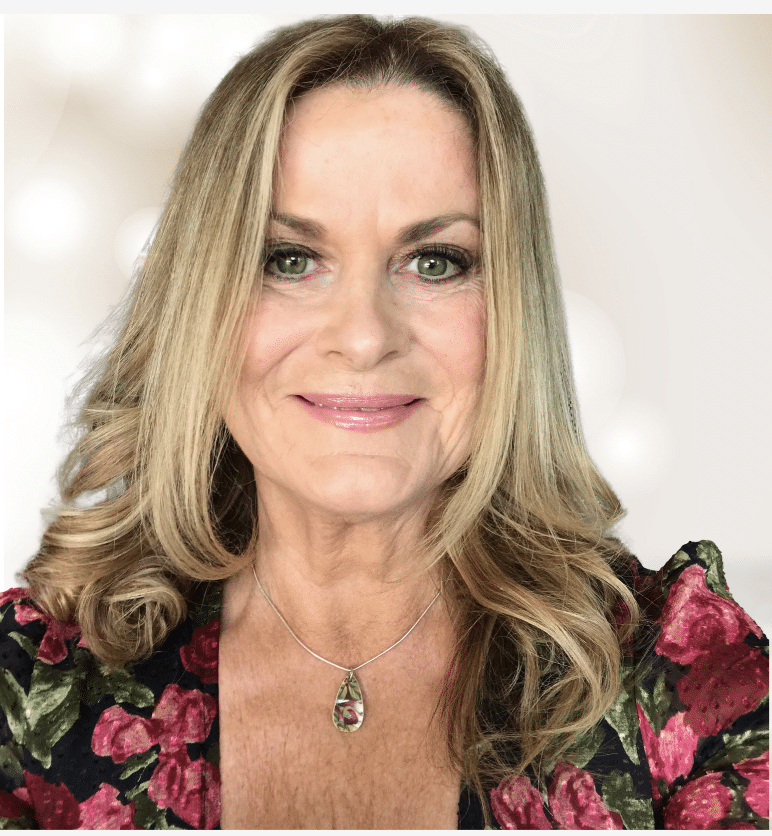
Dr. Sabina Brennan
Sabina Brennan (PhD., C.Psychol., PsSI) is a health psychologist, neuroscientist and author of
four Irish Times best-sellers: 100 Days to a Younger Brain (2019), Beating Brain Fog (2021), The
Neuroscience of Manifesting (2024) and Still Me – A neuroscientist’s guide to caring for someone
with dementia (2025).
Dr Brennan directed a dementia research program at Trinity College Dublin for several years,
is a passionate advocate for people with neurological conditions and their carers serving on several
advocacy and advisory committees including The All Party Parliamentary Group on Longevity in the
United Kingdom.
Fascinated by the human brain Sabina is on a mission to help people understand how their
brain works so they can better understand themselves and reach their true potential. A passionate and
engaging speaker Sabina is much in demand on radio and TV in her native Ireland.
Now a fulltime
writer and motivational speaker Sabina relocated from her native Dublin to Ireland’s lake district
where she lives with her husband and three dogs.

Prof. Sean Kennelly
Professor Sean Kennelly MB BCh BAO PhD FRCP(Lond) FRCPI is a consultant physician in geriatric and stroke medicine in Tallaght University Hospital (TUH) and Clinical Associate Professor of Medical Gerontology in Trinity College. He is Director of the Institute for Memory and Cognition, and the Cognitive Clinical Trials Unit in Tallaght University Hospital, Dublin.

Deirdre Shanagher
Strategic Clinical Nurse Expert with Regulatory Compliance at Nursing Homes Ireland
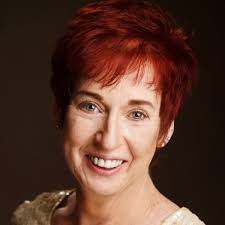
Karen Meenan
Karen is a versatile marketer and communicator with 30+ years’ experience as a marketing and public relations consultant, events manager, theatre director, radio presenter, trainer, coach, retailer and dementia supporter. She completed a fellowship in Trinity College in 2020-2021 and was selected as Senior Atlantic Fellow for Equity in Brain Health in the Global Brain Health Institute (GBHI). She organised the successful launch of Dementia Trials Ireland in 2022 and numerous online and in-person events. Karen is founder volunteer with dementia-inclusive The Forget-Me-Nots choir.
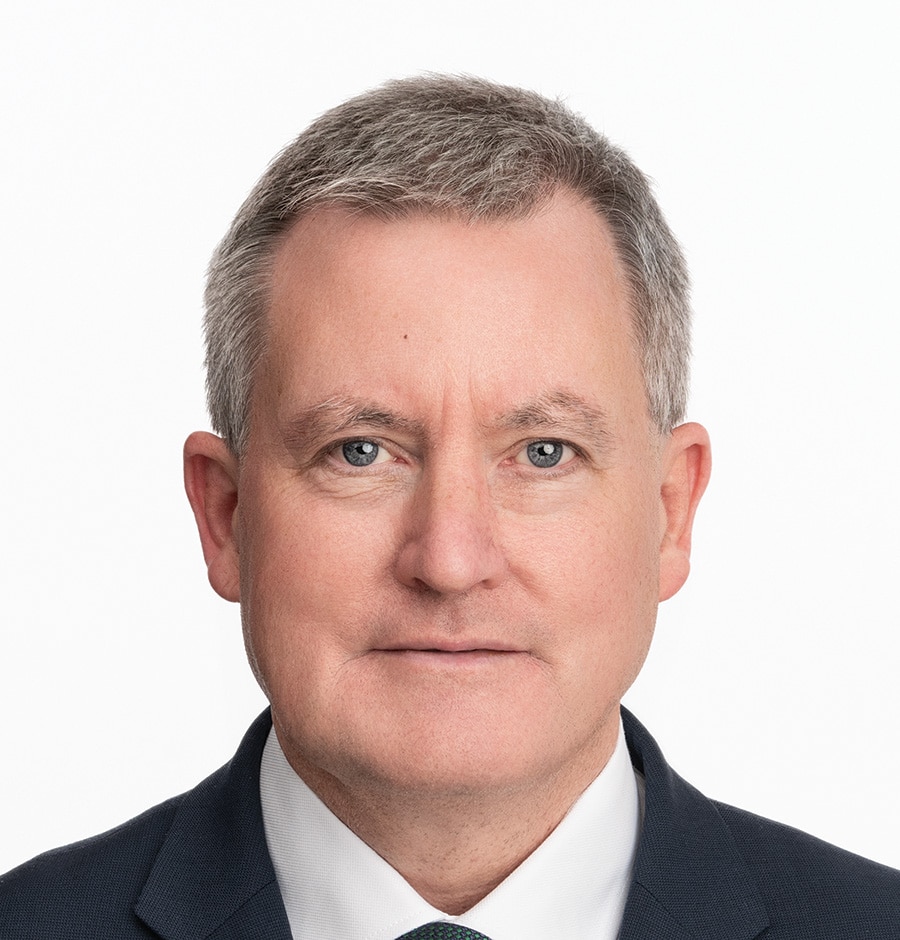
Minister Kieran O'Donnell
Kieran O’Donnell is Minister of State at the Department of Health with special responsibility for Older People and the Department of Housing, Local Government and Heritage with special responsibility for Housing. He was appointed to these roles on 29 January 2025. He previously served as Minister of State with responsibility for the Office of Public Works since April 2024, and as Minister of State for Local Government and Planning at the Department of Housing, Local Government and Heritage from December 2022 to April 2024. Minister O’Donnell is the Fine Gael TD for Limerick City Constituency. First elected in May 2007, he was re-elected in 2011, 2020 and 2024.
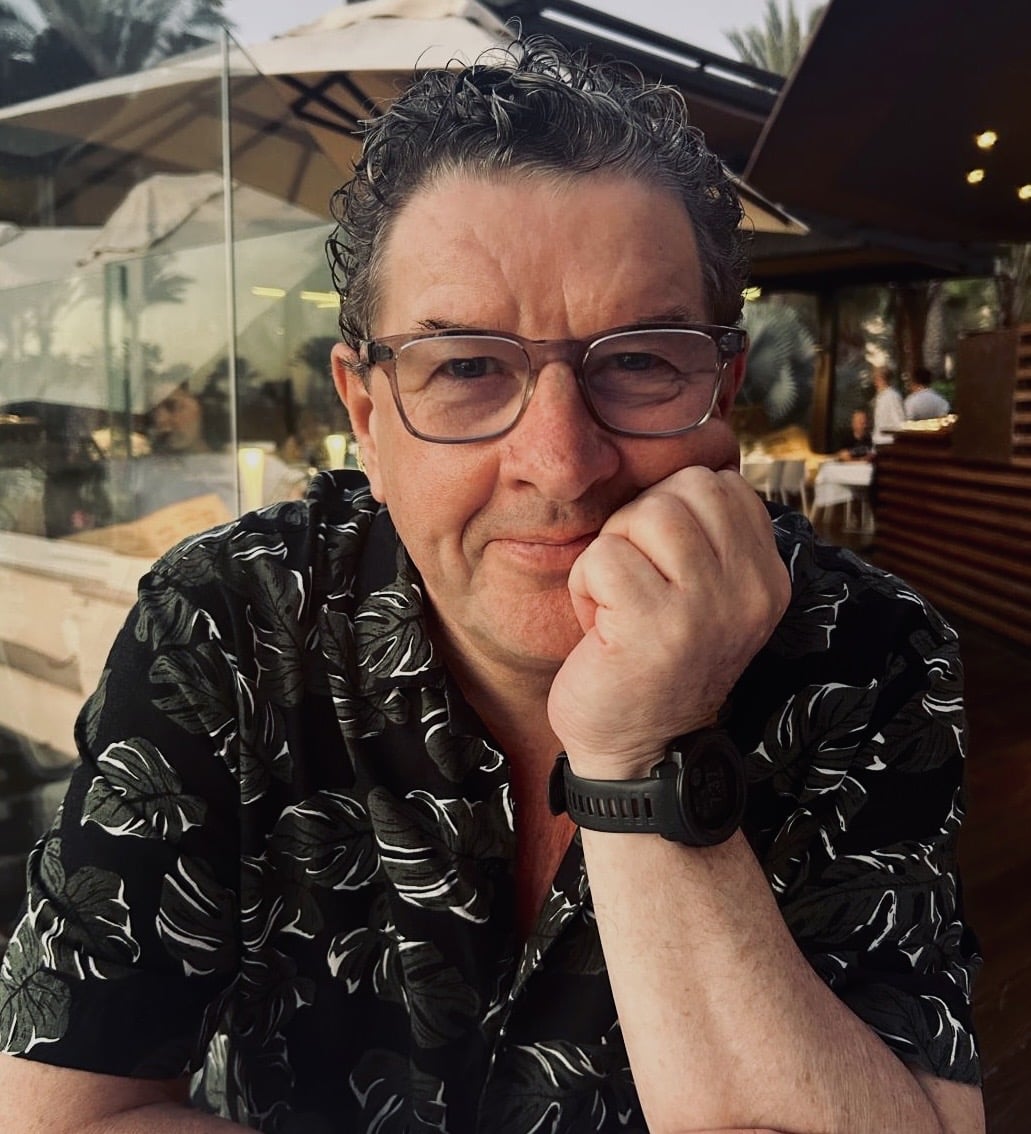
Mike Hanrahan
Mike Hanrahan is a founding member of the band Stockton’s Wing. He has been a family carer for ten years and it is this lived experience that inspires him to support all who care and all who search for better ways to treat those who live with dementia and related brain health issues. His creative interaction and performances with The Forget Me Nots Choir, an age and dementia friendly choir, strengthens his belief in nurturing an inclusive age friendly society. He is creating innovative ways to bring moments of joy and fulfilment to those who live with dementia. Mike wishes to explore further this connection between the arts and brain health.

Ziyue Wang
Ziyue Wang is a final-year PhD candidate in the School of Nursing and Midwifery at the University of Galway, with the supervision of Dr Duygu Sezgin and Dr Andrew Hunter. Her research focuses on young-onset dementia and social health. She also actively contributed to dementia inequalities, young dementia carers, and dementia care. Ziyue is a member of INTERDEM (Early, Timely and Quality Psychosocial Interventions in Dementia) across Europe and the Psychosocial Dementia Research Group at the University of Galway. Ziyue organised an awareness event on young-onset dementia funded by PPI Ignite Network @ University of Galway, in October 2025.
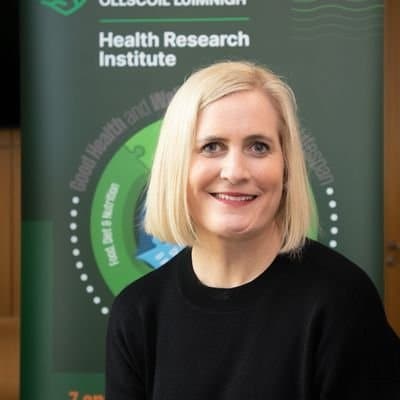
Rose Galvin
Rose Galvin is a Professor in Physiotherapy at the University of Limerick. She has a long-standing interest in applied health research in ageing, reflecting her professional background in physiotherapy and her post-doctoral training in applied clinical epidemiology. She is a recipient of a Health Research Board 2020 Research Leader Award exploring models of integrated care for older adults following discharge from the Emergency Department. She was Vice President of the Irish Gerontological Society (2019-2022) and is a founding member and co-director of the Ageing Research Centre at UL.
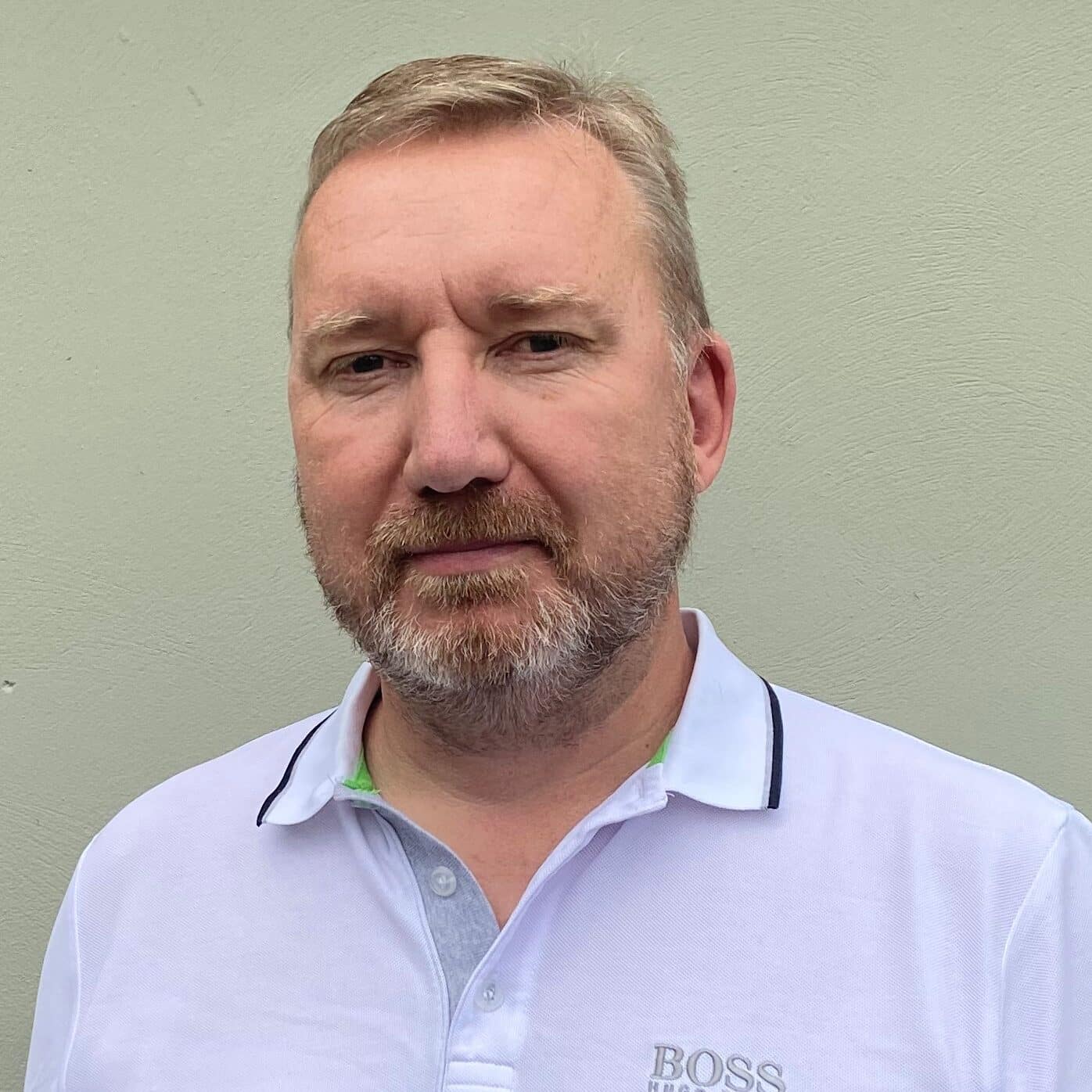
PJ Harnett
Dr. PJ Harnett is an experienced healthcare leader with 27 years in clinical, managerial, and educational roles across Ireland and the UK. Award-winning innovator in service development, multidisciplinary training, and policy. Proven expertise in psychiatric care, hospital management, and integrated care for older adults. Senior Associate at the International Foundation for Integrated Care and Adjunct Associate Professor at Trinity College Dublin. PJ is the Head of Integrated Care, Mowlam Healthcare.
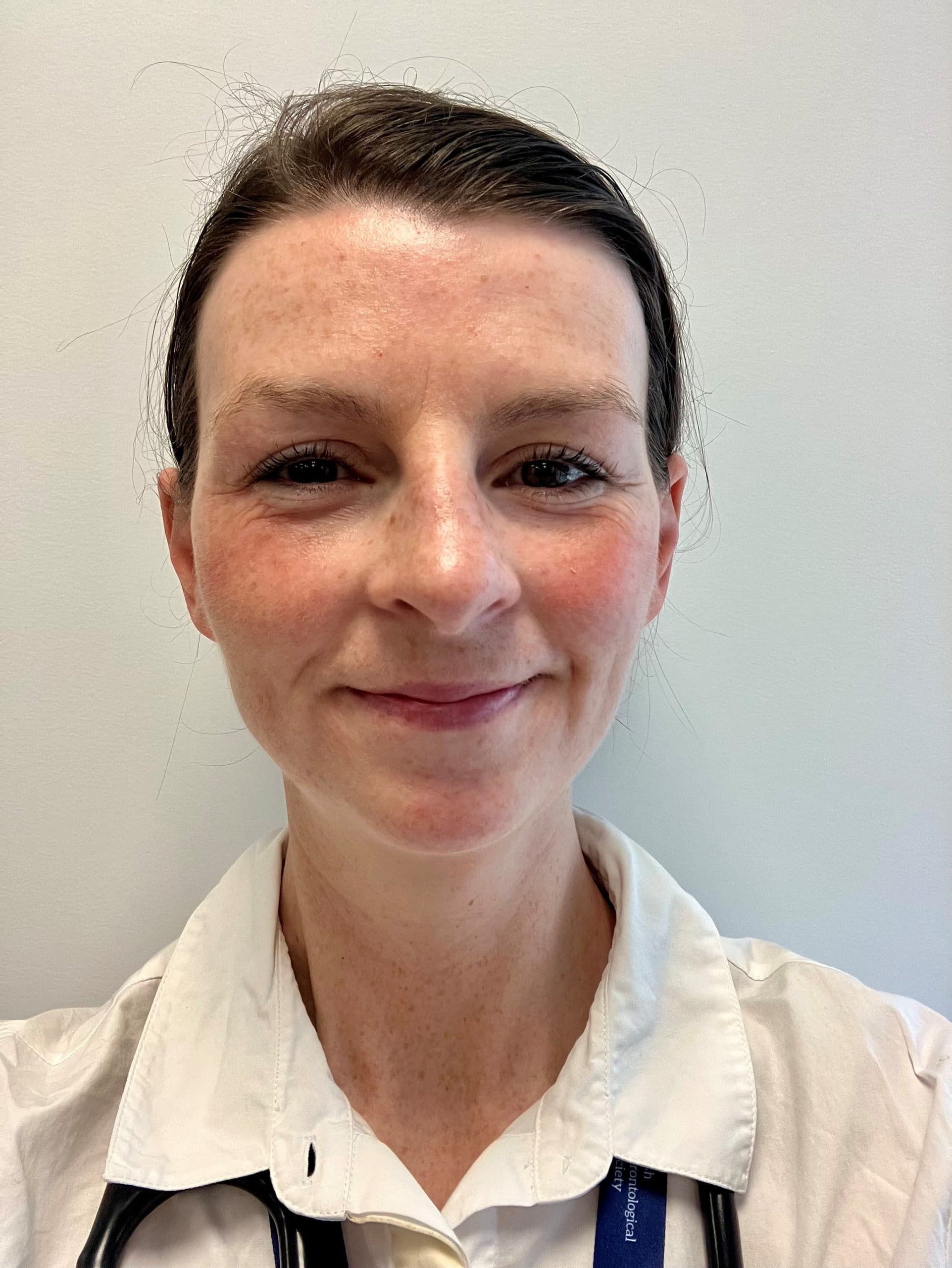
Dr. Caoimhe McGarvey
Dr Caoimhe McGarvey is a Specialist Registrar in Geriatric Medicine and a Clinical Research Fellow with The Irish Longitudinal Study on Ageing (TILDA). Her clinical and research work focus on ageing, multimorbidity, and the biological pathways that shape cognitive and functional outcomes in later life. She is currently completing PhD research examining the implications and biomarkers of kidney ageing with a particular focus on how chronic kidney disease contributes to accelerated brain ageing and increased dementia risk.
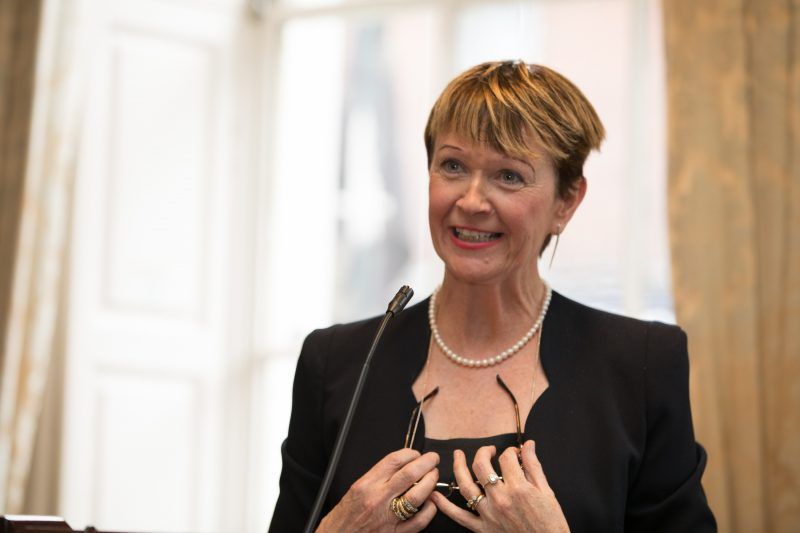
Suzanne Cahill
Suzanne Cahill is an Adjunct Professor of Social Work and Social Policy at Trinity College. She also holds an Honorary Professorship in Dementia Care from the University of Galway and is an affiliated Professor in Health and Welfare at the University of Jönköping in Sweden. She has a Bachelors and Master"s degree in Social Science from University College Dublin, a Diploma in Social Studies from the University of Stockholm and a PhD from the University of Queensland, Australia. She has over 35 year"s experience working in the field of Social Work and Social Policy where she has been employed as practitioner, lecturer and researcher. Her PhD written in Australia was on dementia, social policy and the interface between formal and informal caregiving. In Ireland Suzanne has been the founding Director of The Dementia Services Information and Development Centre - a Centre of Excellence at St James Hospital Dublin.
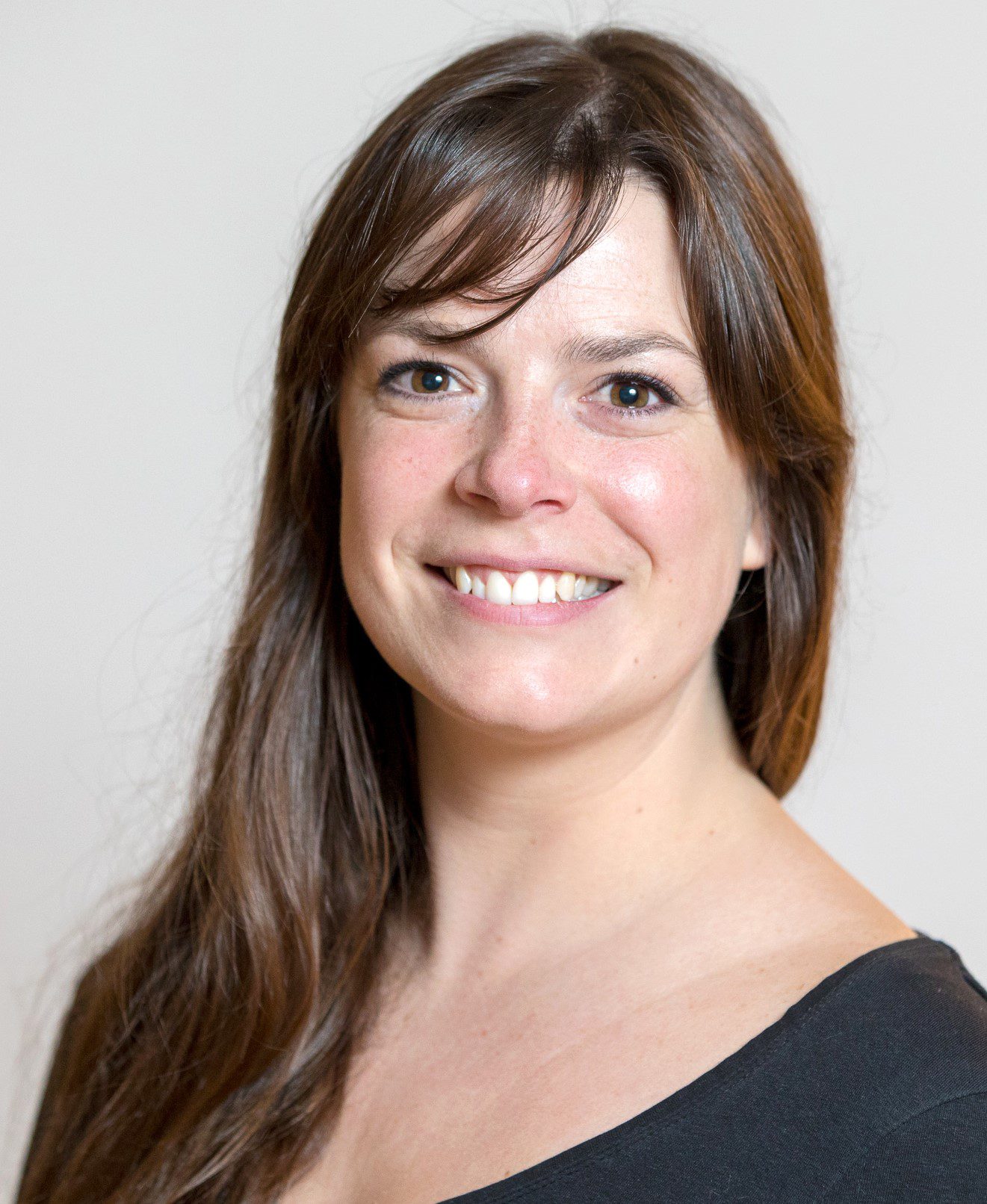
Dr Eimear McGlinchey
Dr Eimear McGlinchey is a psychologist and Assistant Professor in Intellectual Disability in the School of Nursing and Midwifery at Trinity College Dublin (TCD), and a faculty member at the Global Brain Health Institute (GBHI). Her primary research interest is Down syndrome-associated Alzheimer’s disease. She is Principal Investigator of the PREVENT Dementia-DS project, which investigates early biomarkers of Alzheimer’s disease in people with Down syndrome using neuroimaging, blood-based, and cognitive biomarkers. This project is part of the Horizon 21 European Down Syndrome Consortium, for which she is the site lead in Ireland. Through her work at GBHI, she focuses on reducing inequities affecting the Down syndrome population, particularly in the Global South, leading a project in South Africa to better understand how Down syndrome and dementia are conceptualised within indigenous knowledge systems. She is also the academic lead at TCD for PPI Ignite.
Dr Vanessa Moore
Vanessa Moore is the Scientific Project Manager of Dementia Research Network Ireland. Vanessa has a PhD from the School of Social Work and Social Policy, Trinity College Dublin, where her research centred on the lived experience of people with young onset dementia in Ireland. She has an MSc in Applied Social Research from Trintiy College Dublin and an MA International Relations from University College Cork. Before taking up her role at DRNI, Vanessa was a senior researcher at the European Institute of Women’s Health. Vanessa also worked as a Research Assistant at the Living with Dementia programme in TCD.
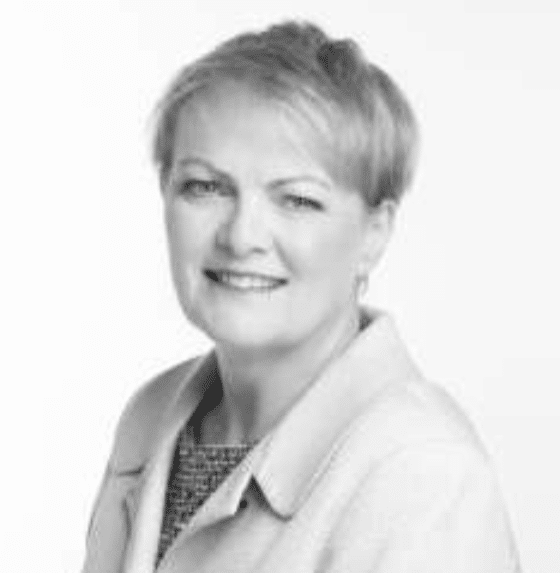
Muriel Moore
Muriel Moore specialises and practices in Assisted Decision-Making law. In 2022, Muriel completed an LLM in Human Rights at University Galway and is now a public interest law solicitor working in her own human rights law firm, specialising in Assisted Decision-Making law. After almost 20 years as a solicitor in the banking and public sector industries, Muriel now works with individuals and families with special needs to promote their interests and secure their rights and entitlements vis-à-vis service providers and Government Departments. She is a solution focused lawyer, who focuses on the rights of the person at the centre of a given situation.
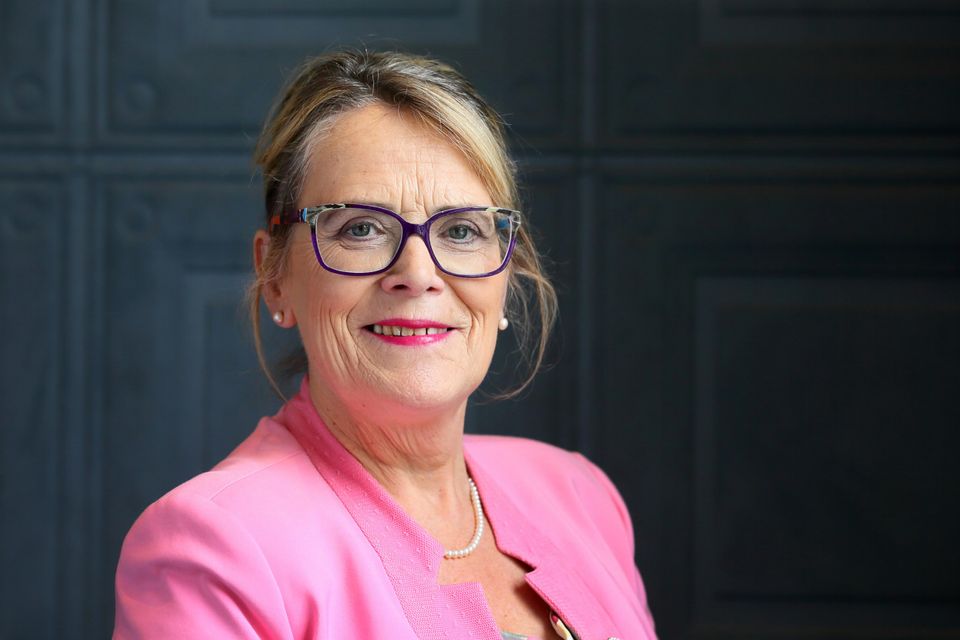
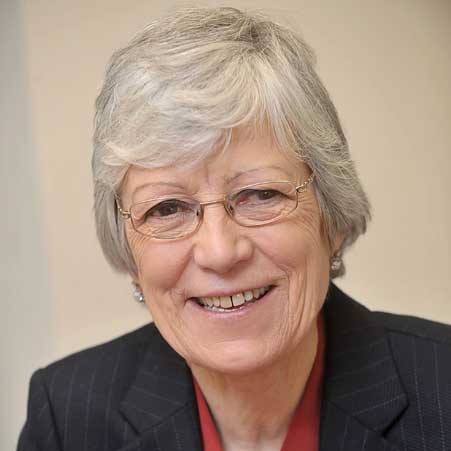
Helen Rochford-Brennan
A dementia ambassador and advocate for Alzheimer’s services, Helen has been living with Alzheimer’s for the past thirteen years
Patricia Rickard-Clarke
Patricia Rickard-Clarke is a former Commissioner of the Law Reform Commission. She was the lead Commissioner in relation to the Commission’s work on: Vulnerable Adults and the Law: Capacity, Bioethics: Advance Health Care Directives and Legal Aspects of Professional Home Care. From 2012 to 2016 she was a member of the Council of the Hospice Foundation and of its Think Ahead Project Advisory Group of the Forum on End of Life. She was a member of the Council of the Royal College of Physicians of Ireland from 2013 – 2017. She is Chair of Safeguarding Ireland and a Trustee member of the Board of SAGE Advocacy
Andy Heffernan
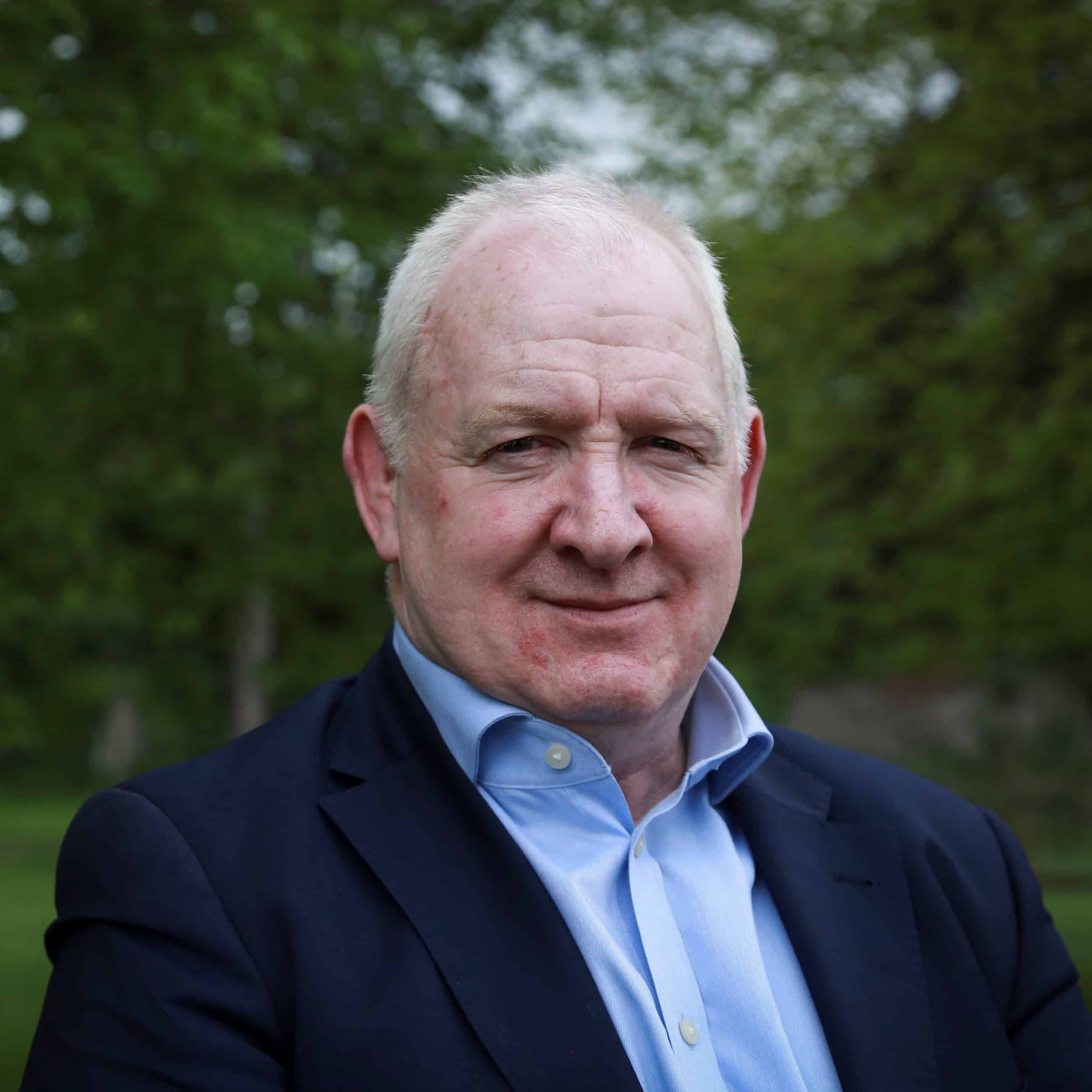
Andy Heffernan is currently the Chief Executive of the Alzheimer Society of Ireland having previously served as the National Secretary of the Society of St Vincent De Paul (SVP) which is one of the largest voluntary charitable organisations in Ireland. Prior to his role at the SVP he was Chief Executive of St John of God Community Services, an organisation providing a range of services to those with learning disabilities and mental health issues across Ireland. He served in the Defence Forces for 19 years holding a range of training, command and staff appointments. He also served abroad, including three trips in the Middle East with the United Nations, Central Africa with Goal and the Balkans with the European Union. Andy has a BSc from NUIG, an MSc from the University of Ulster and a certificate in Charity Law, Trusteeship and Governance from the Law Society of Ireland. Andy was elected to the Alzheimer Europe Board in October 2022 and re-elected in June 2024.
Steve Kennedy
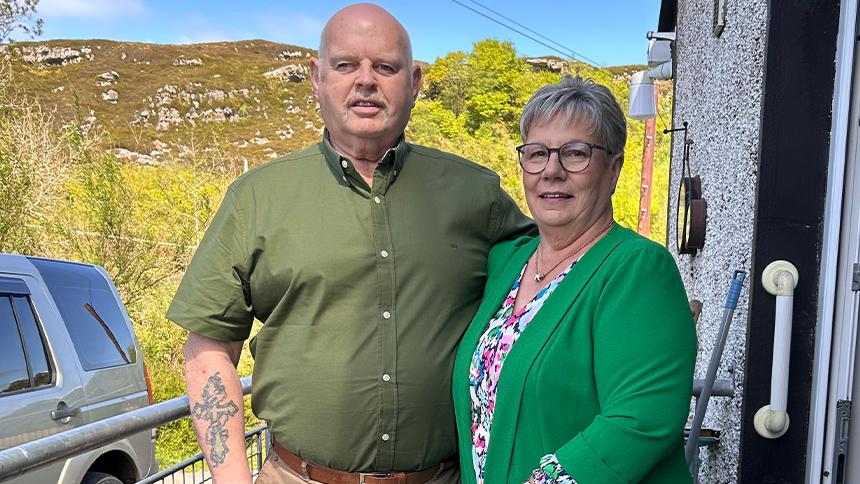
Steve’s life changed dramatically when he was diagnosed with dementia in his 50s and he had to give up his career as a long-distance lorry driver. But over time, and with his wife Carmel's unwavering support, he says that he has built a positive outlook. He's enjoying retirement, including becoming a dementia campaigner to help advocate for people with young-onset dementia.
Grania McKittrick
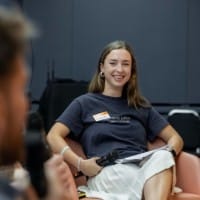
Grania McKittrick is the Global Outreach Lead at Lorenzo's House, a global virtual organisation supporting families affected by younger-onset dementia (YOD) through healing in community, advocating for dementia justice and educating for a YOD informed society.
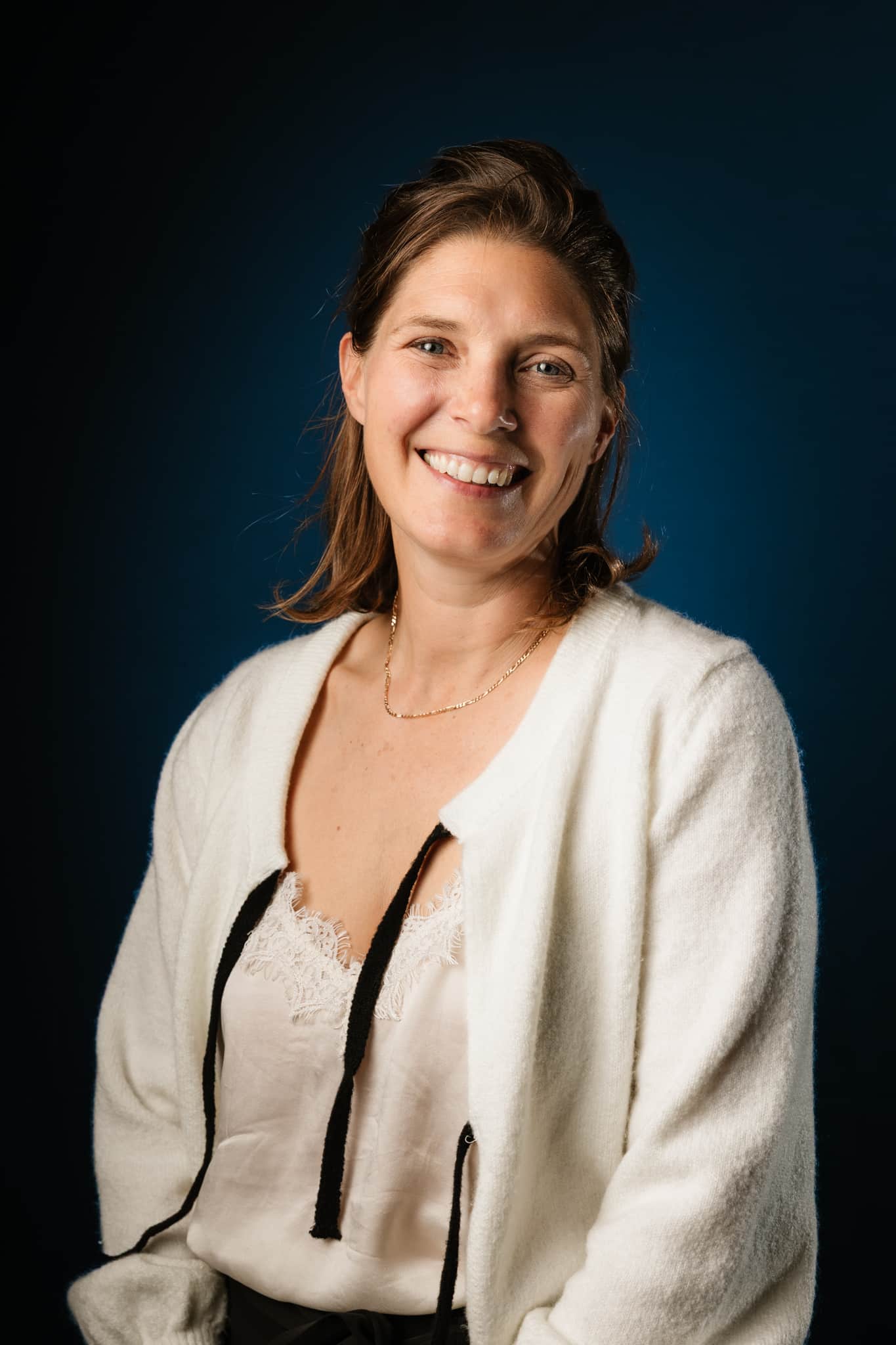
Kate Irving
Kate Irving is a jointly appointed Professor of Clinical Nursing and Dublin City University and Community Health Organisation 9. Kate has a PhD from Curtin University Western Australia Entitled: A discursive case study investigation into the use of physical and chemical restraint use in acute medicine. She coordinated the FP7 funded In-MINDD study on dementia deterrence and has partnered in many more international research projects. She has a particular interest in timely responses to dementia and nursing care ethics. Kate also led a National Dementia Education Programme ‘The Dementia Skills Elevator’. Which continues to develop dementia champions in many health services across the country.
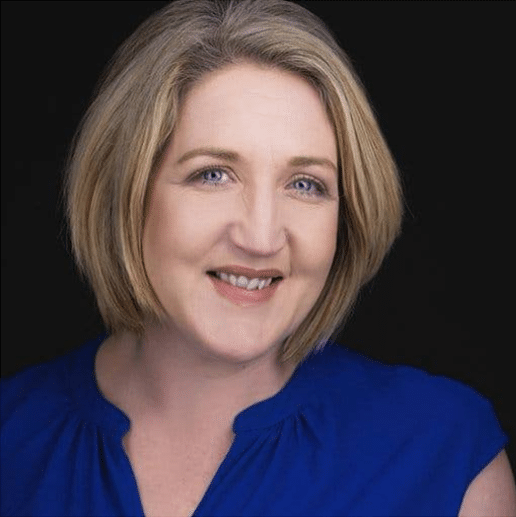
Lucie Cunningham
Lucie Cunningham is the Founder & CEO of THE HomeShare, Ireland’s leading homeshare social enterprise, which she established in 2017 to address the dual challenges of ageing in place and affordable housing for younger generations. With over two decades of experience in nursing, healthcare, and homecare across the UK and Ireland, Lucie has dedicated her career to enhancing community-based support and improving quality of life for older adults, adults living with dementia and people living with disabilities.

Kathy McLaughlin
Kathy is a psychologist and Director of Disability Services with Dovida, Ireland's largest provider of home support. During her career she has worked directly supporting adults with dementia in long term care, including individuals with early onset dementia. She has also done academic research focused on dementia palliative care and fitness to drive with UCC. Kathy is passionate about person centered practice and will share practical tools and strategies to support connection and understanding.
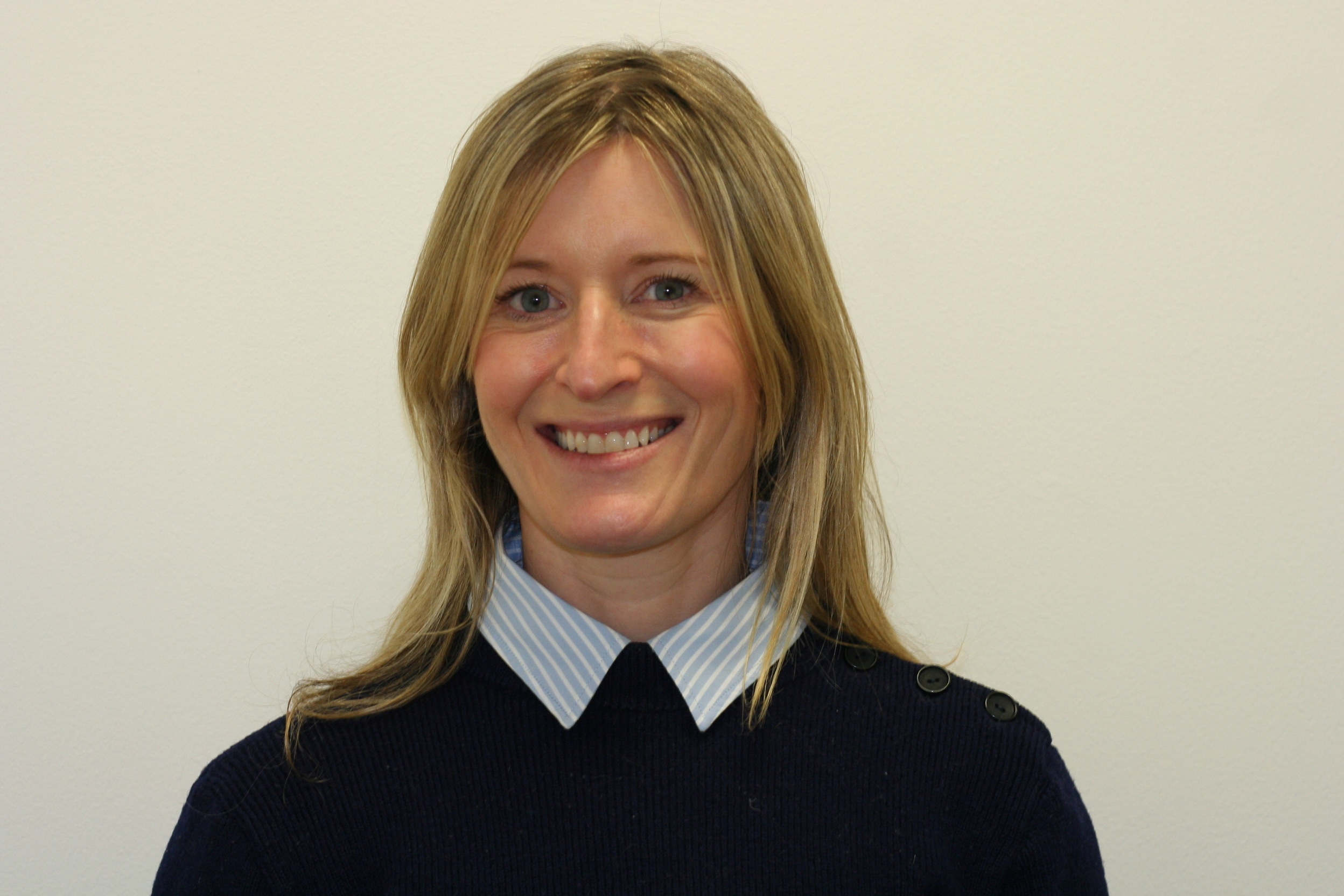
Aoife Smith
Aoife Smith is a social entrepreneur and Cofounder of The Great Care Co-op. Inspired by the Dutch Buurtzorg model, Aoife leads a radical shift in community support based on the mission of "Great Care and Great Jobs." The worker cooperative model in home care is the first of its kind in Ireland; GCC has moved beyond the traditional agency model to a democratic structure where care workers are also the owners. Through co-ownership, workers are more invested in holistic, relationship-centered outcomes rather than just "tasks and hours." By utilising circles of support, Aoife demonstrates how a motivated, empowered workforce can keep people living with dementia connected to their communities. A passionate advocate for inclusive governance, Aoife joins the International Dementia Conference 2026 to share how the "cooperative difference" can dismantle low-wage cycles and create a more compassionate, sustainable future for home care in Ireland.
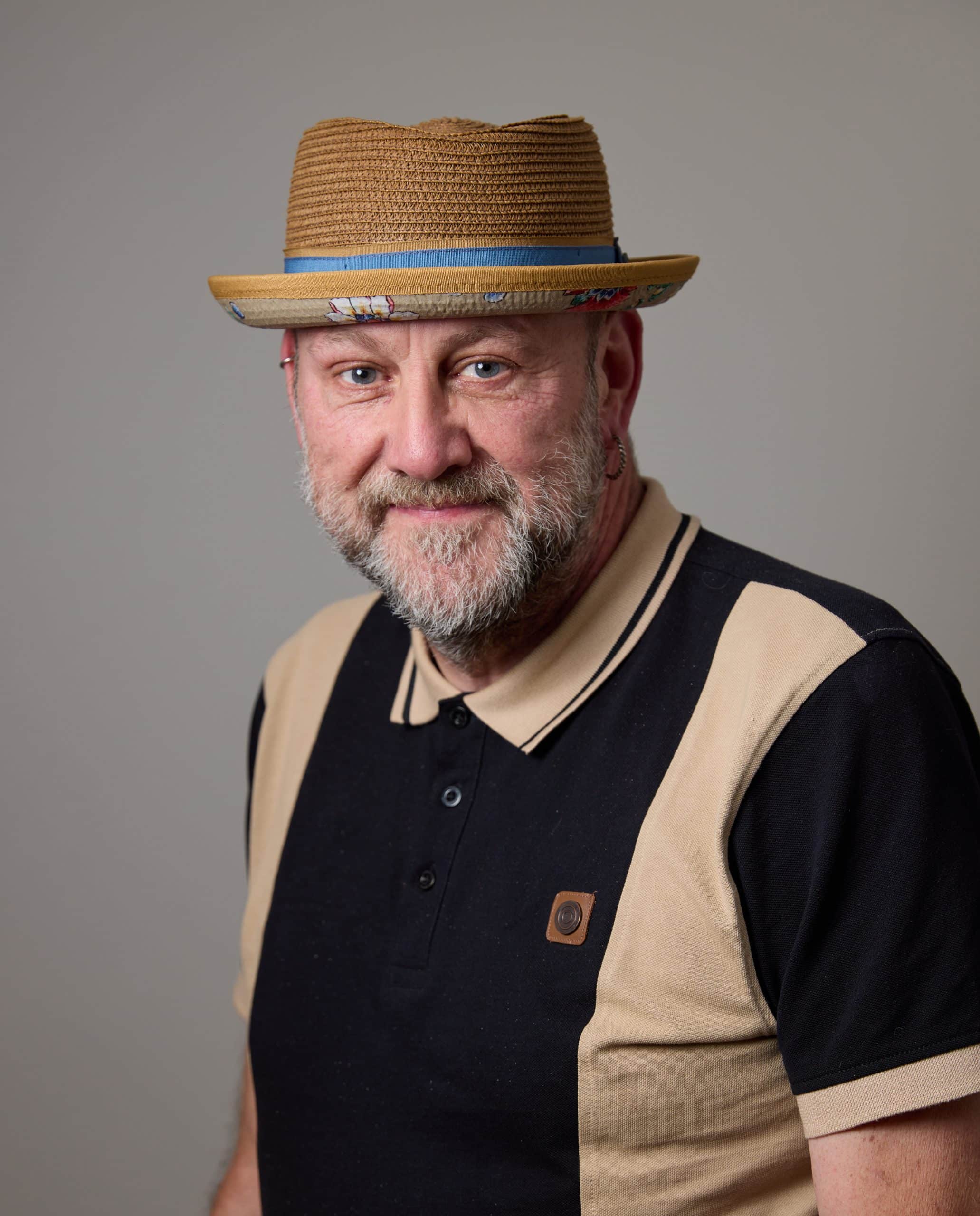
Wayne Baron
Wayne Baron was diagnosed with Lewy body dementia in 2018 at the young age of 52. At the time Wayne was working as head chef in a very prestigious restaurant in Dublin. Within a year of his diagnosis, Wayne was informed that he could not continue to work due to insurance reasons.
Wayne and his amazing wife Siobhán live in Lucan, County Dublin, and have four children. Wayne’s diagnosis falls under young onset dementia, which refers to dementia diagnosed before the age of 65.
Dementia with Lewy bodies is a form of dementia that shares characteristics with both Alzheimer’s disease and Parkinson’s disease. It is recognised as the third most common type of dementia, after Alzheimer’s disease and vascular dementia.
Wayne has shared his experience publicly and has engaged in national media work to help raise awareness of dementia. He has been involved in awareness raising and fundraising campaigns with The Alzheimer Society of Ireland, including Alzheimer’s Tea Day and Memory Walk.
Wayne is also a member of the Irish Dementia Working Group, an advocacy group made up of people living with dementia. The group is supported and resourced by The Alzheimer Society of Ireland and works to improve the lives of people living with dementia and to raise awareness of the issues affecting them in Ireland.
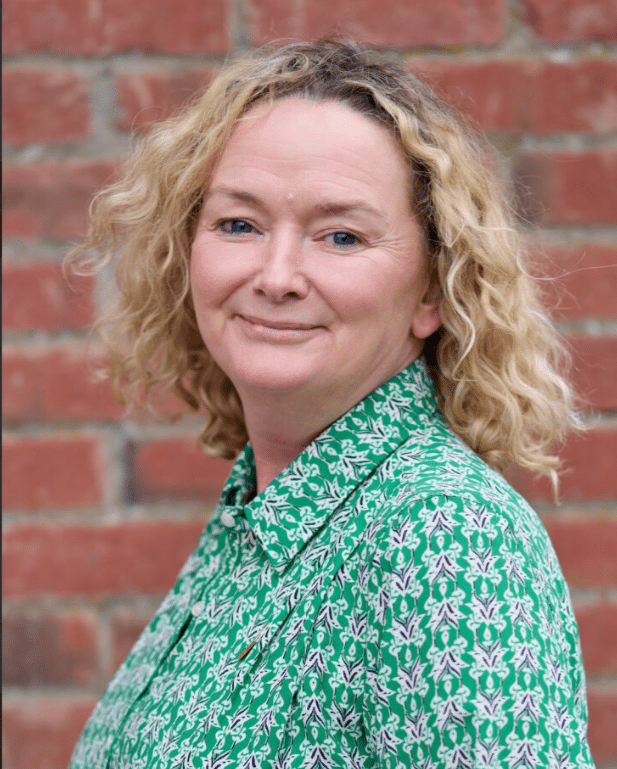
Saoirse Kelly
Saoirse Kelly is the Advocacy, Engagement and Participation Officer with The Alzheimer Society of Ireland. She has spent the last 26 years supporting people living with neurocognitive disability, bringing extensive experience and a deep commitment to person centred support. Prior to her current role, Saoirse worked as a Home Care Coordinator in County Wexford, where she supported individuals and families navigating the challenges of home based care.
In her current position, Saoirse has the great privilege of supporting the Irish Dementia Working Group. She is passionately dedicated to ensuring that people living with dementia have meaningful opportunities to share their expertise, influence policy, and shape the services that affect their lives. Saoirse works tirelessly to champion understanding, challenge stigma, and promote the principle that true change can only come from listening to and valuing lived experience.
Programme Overview
Day One - 13th May
9:30am | Doors Open for Registration & Light Refreshments
We will be open for registration from 9:30am and we will be serving light refreshments in the Exhibitor Room.
10:00 - 10:05 | Opening Words by CEO Kim Tully
Kim Tully, CEO of Engaging Dementia, will open the 18th Annual International Dementia Conference
10:05 - 10:40 | Dr. Kellyn Lee - Dementia Community Hubs
10:40 - 11:10 | Wayne Baron & Saoirse Kelly (ASI) - Rights Made Real
The Rights Made Real training aims to empower people living with dementia to understand their human rights and to use these rights in their everyday lives. The training focuses on moving human rights from theory into practice, so they can have a real and positive impact on the lives of people living with dementia.
The Alzheimer Society of Ireland has supported three groups of people living with dementia to take part in this training. Results from the most recent evaluation show its strong impact, with 100% of participants reporting that they felt empowered to use and apply human rights after completing the programme.
In this session, Wayne Baron, a member of the Irish Dementia Working Group, and Saoirse Kelly, Advocacy, Engagement and Participation Officer with the Alzheimer Society of Ireland, will discuss why Rights Made Real training is important and how it can make a meaningful difference for people living with dementia.
11:10 – 11.30 | The Herbert Protocol
The Herbert Protocol is a risk-reduction scheme used by police and emergency services across the UK and Northern Ireland to help locate vulnerable individuals, primarily people living with dementia, who go missing.
The Garda National Protective Services Bureau are currently working to roll the scheme out in Ireland and will talk about how that will look.
The initiative is named after George Herbert, a Normandy Landings war veteran who lived with dementia. He frequently went missing from his care home in Norfolk while searching for his childhood home and tragically died while missing in 2011. Norfolk Constabulary developed the protocol in his honour to help prevent similar tragedies.
11:30 - 11.45 | Break
Break for Tea, Coffee & Networking. Pay a visit to our Exhibitor Room and get your Conference Passport stamped.
11:45 - 12:15 | Sean Kennelly: “Prevention is better than cure- optimising brain health for dementia risk reduction”.
This talk will explore what brain health really means, why dementia is not an inevitable part of ageing, and how resilience can be supported across the life course.
It will highlight the major modifiable risk factors for dementia and the growing evidence that prevention and risk reduction can make a meaningful difference.
It will also examine how Alzheimer’s disease develops long before symptoms appear, and how blood-based biomarkers and emerging treatments are beginning to change diagnosis and care.
Overall, it will offer a practical and hopeful overview of how prevention, early detection, and modern treatment are reshaping our approach to brain health and dementia.
12:15 - 12.45 | Alternatives in Home Care - Home Share and The Great Home Co-op
Lucie Cunningham the Founder & CEO of THE HomeShare, Ireland’s leading homeshare social enterprise and Aoife Smith CEO of the Great Care Co-op, will be speaking about Alternatives in Home Care.
Homeshare is a Reciprocal Arrangement where both the Householder and the Homesharer have something they Need and something they can Give to the Homeshare relationship.
The Great Care Co-op with support from their funders, designed a better model of home care based on upholding the human rights and dignity of clients and carers. They believe that the people who run and control care companies should be the people who give and receive care.
12:45 - 13.00 | National Dementia Office - Launch of Gardening Together Book
The launch of a new resource to help develop community gardens and residential green spaces into dementia-inclusive gardens.
13.00 – 13:45 | Lunch
Break for Lunch & Networking. Pay a visit to our Exhibitor Room and get your Conference Passport stamped.
13:45 - 14:05 | Sabina Brennan - Still Me - A neuroscientist's guide to caring for someone with dementia.
Join psychologist, neuroscientist and bestselling author Dr Sabina Brennan for an empowering talk inspired by her new book Still Me and her work in brain health and dementia. With warmth and clarity, Sabina will share practical insights to help both you and the person with dementia to live well:
Why self-care is essential for family carers — and how to make it happen.
How to recognise and respect the person living with dementia.
Brain-healthy life choices that reduce risk and support wellbeing for everyone.
Blending science, stories and simple strategies, this talk offers hope, guidance and practical tools for carers, families and anyone interested in living a brain-healthy life.
14:05 - 14:30 | ASI & The Dementia Carers Campaign Network (DCCN)
Panel Discussion with Helena Quaid, Mary Toland, Richard Dolan and Sabina Brennan.
14:30 - 15:00 | Mike Hanrahan & Karen Meenan - Dementia & the Arts
Mike and Karen will be presenting on the importance of the arts when it comes to dementia care.
Recent research in Ireland consistently highlights that creative arts are not just “nice to have” but are essential for the health and quality of life of people living with dementia.
Key Benefits include higher quality of life and lower levels of depression, stress, worry, and loneliness. Creative engagement helps maintain cognitive abilities and stimulates brain regions not typically used in language communication.
There is a positive correlation between high levels of creative activity and higher levels of physical activity, supporting overall healthier ageing and arts-based interventions act as a “social intervention,” reducing isolation and helping people with dementia maintain their sense of personhood and identity.
15:00 - 15:15 | Break
Break for Tea, Coffee & Networking. Pay a visit to our Exhibitor Room and get your Conference Passport stamped.
15:15 - 15:45 | DRNI - “Down Syndrome and Dementia – Research and Developments”
Vanessa Moore and Eimear McGlinchy will present on recent research and developments in relation to Down Syndrome and Dementia and also will talk about the the work that Dementia Research Network Ireland have planned for Dementia and Down Syndrome.
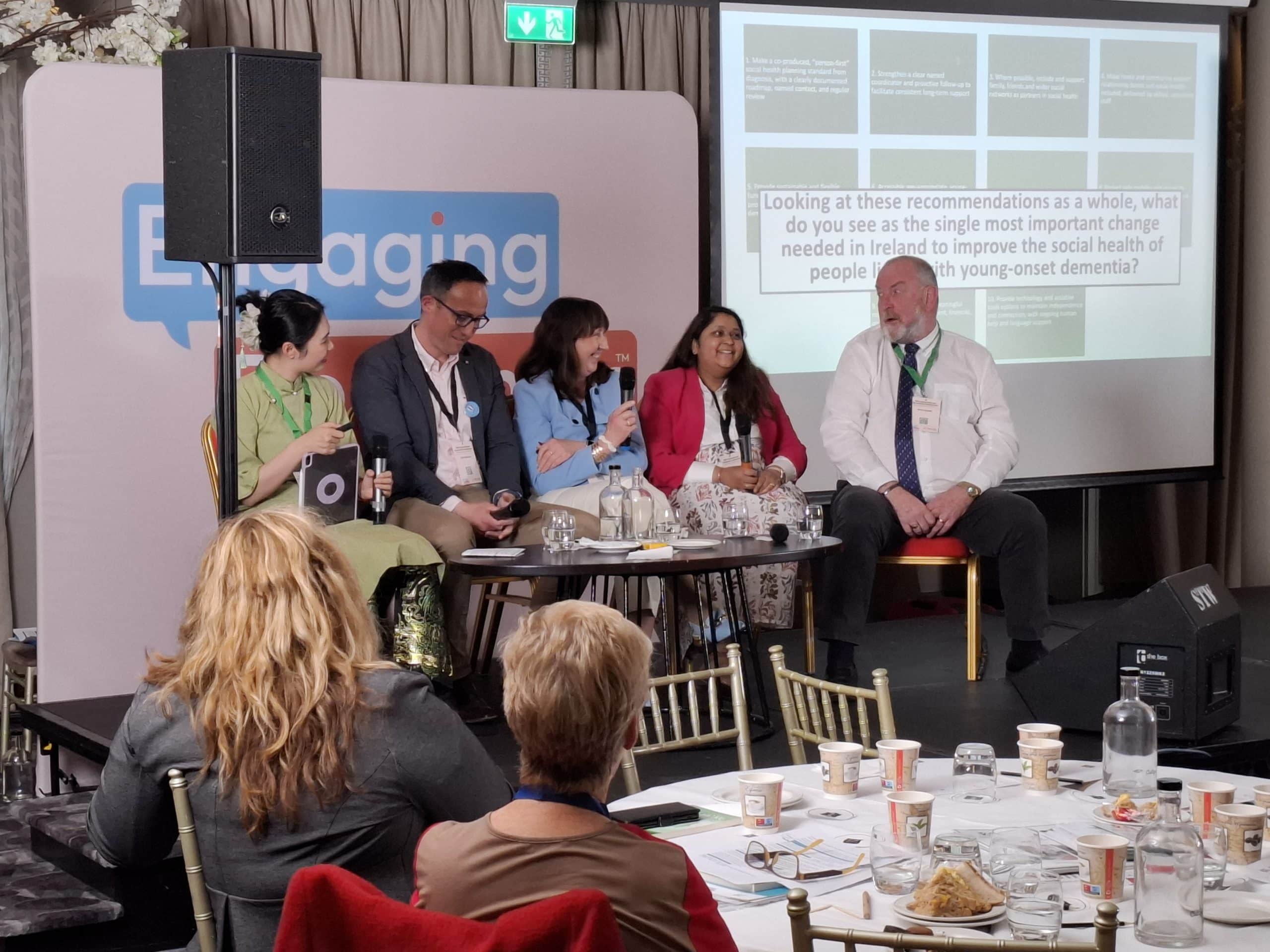
15:45 - 16:15 | Ziyue Wang - Improving Social Health of People Living with Young-onset Dementia in Ireland.
16:15 - 16:45 | Panel on Young Onset Dementia
The Panel will discuss how the above recommendations could be implemented and achieved in Ireland. The panel discussion members include Amy Murphy, Joshi Dookhy, Kevin Quaid, Paul Maloney and Ziyue Wang.
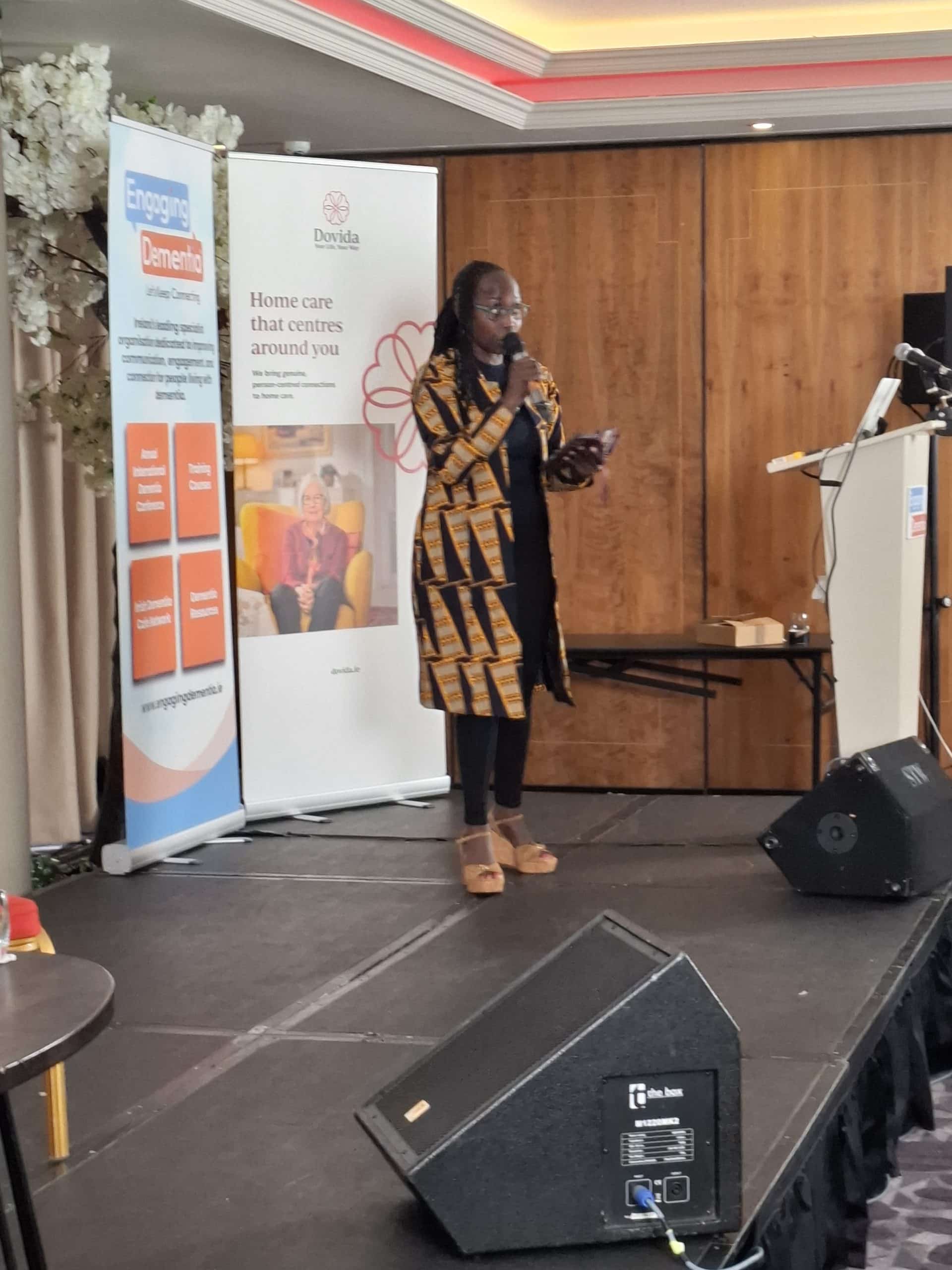
16:45 - 17:00 | "We Will Tell Everyone" - "Tukeera Migongo Yonthe" | Purity Mwendwa
A powerful Irish song born from dementia research at the University of Limerick two years ago has found a new voice and new meaning in Kenya and we will be showing a video of it, as performed by a choir from Kenya.
‘We Will Tell Everyone’, is a song originally created as part of Dr. Lisa Kelly’s PhD research in Music Therapy at the Irish World Academy of Music and Dance. Now, it has been reimagined in Kenya as ‘Tukeera Migongo Yonthe’.
The new version is the result of research led by Dr. Purity Mwendwa, a DOROTHY COFUND Fellow and Research Fellow at Trinity College Dublin’s Institute of Neuroscience and The Institute for Lifecourse Development at University of Greenwich, as part of her ENGAGE project.
Dr. Mwendwa has been working to promote dementia awareness across Kenya, collaborating with people living with dementia and local communities to challenge stigma and misinformation. Partnering with the Mwirine Methodist Church Choir in Meru, Kenya, she developed a culturally resonant version of the song, composing new lyrics grounded in the Kenyan context.
“Tukeera Migongo Yonthe” translates as “We will tell everyone.” The song delivers a clear and urgent message: dementia is not a normal part of ageing, nor is it caused by witchcraft — a misconception that persists in some communities. It calls for awareness, understanding and compassion across all age groups throughout the country.
The Irish original emerged as a creative outcome of Dr. Lisa Kelly’s doctoral research and was co-funded by PPI Ignite@UL, The Alzheimer Society of Ireland, and the Irish World Academy of Music and Dance at the University of Limerick.
Uniquely, the lyrics of ‘We Will Tell Everyone’ were generated entirely by The Memory Lane Heroes – a group comprised of six people – three people living with dementia and their care partners. Working alongside music therapist Dr. Lisa Kelly and songwriter Carl Corcoran, the group created a song that reflects lived experience, resilience, and the power of being heard. Info HERE
Dr. Mwendwa’s ENGAGE project similarly centred the voices of Kenyans living with dementia, ensuring the new version of the song, with lyrics by Dr. Mwendwa, reflects local experience while carrying forward the original’s spirit of advocacy and inclusion.
This international collaboration highlights the universal power of music to break down stigma, foster dialogue, and connect communities across cultures. From Limerick to Meru, the message remains the same: dementia awareness belongs to everyone – and together, we will tell everyone.
End of Day 1
10.10 - 10.40 |
…
10.40 - 11.10 | Geraldine Kirrane - Brain Health Awareness in People with Intellectual disabilities
Explore what individuals with Intellectual Disabilities understand about the brain and brain health .The goal is to gather insight into their current knowledge ,which will inform a co -designed brain health education programme.
Geraldine qualified as a Registered Nurse in Intellectual Disability (RNID) in 2002 at Cregg House, County Sligo. She currently work as a Clinical Nurse Specialist in Stewarts Care services.
Her interest in dementia care developed during her time working closely with adults with Down syndrome in day services, where she observed the unique challenges faced by this population as they age. This led her to pursue further expertise in the area, culminating in the completion of a Master’s in Dementia Studies at Trinity College Dublin in 2024.
11.10 - 11.30 | Marese Damery - Dying Well at Home
Marese, from the Irish Hospice Foundation, will provide an update and information about their new resources, eLearning programme and Information and Support Line. These resources have been developed through their Dying Well at Home Programme.
11.30 - 11.45 | Break
Break for Tea, Coffee & Networking. Pay a visit to our Exhibitor Room and get your Conference Passport stamped.
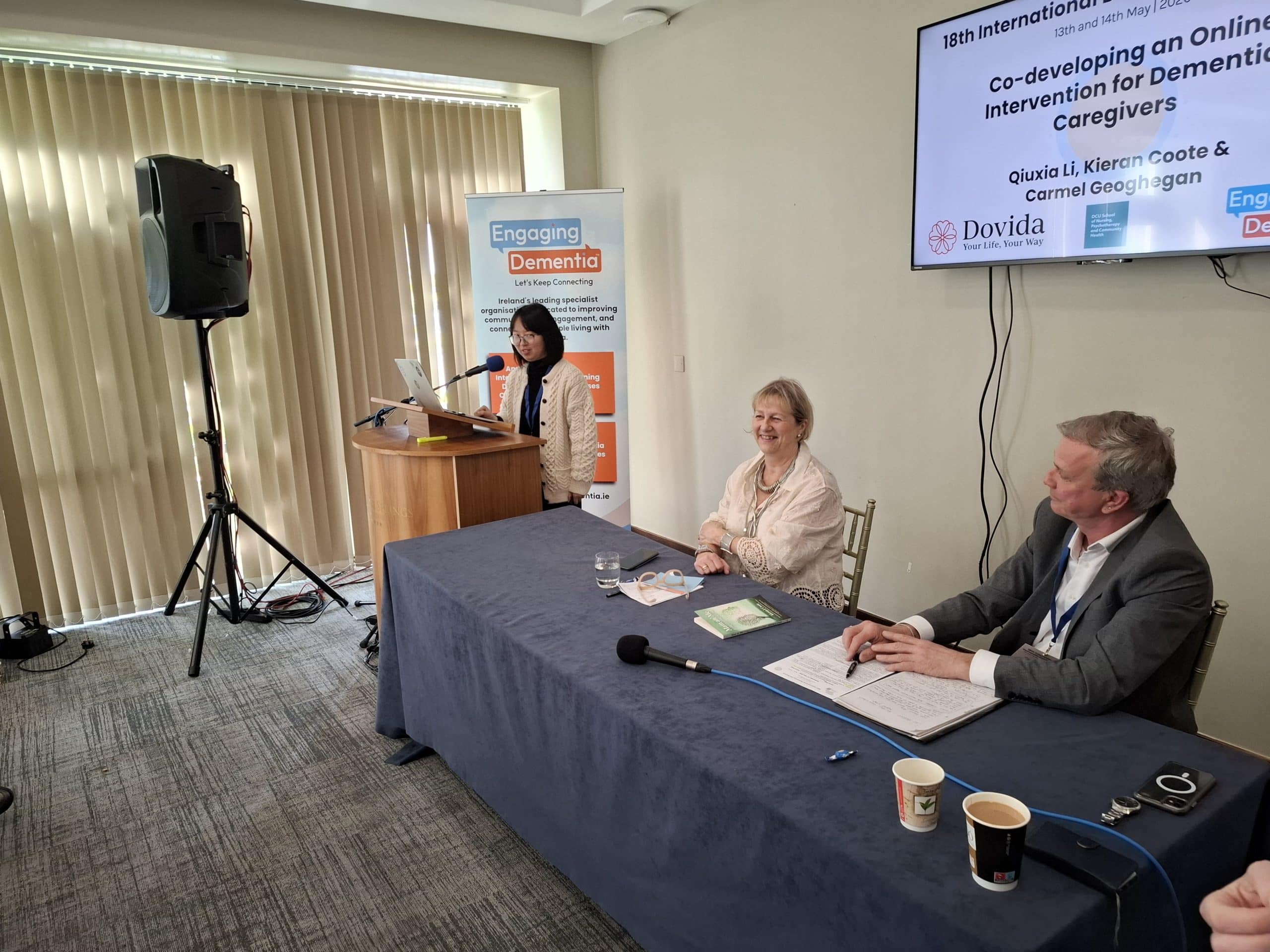
11.45 - 12.15 | Qiuxia Li & Kieran Coote- Co-developing an Online Intervention for Dementia Caregivers
Informal caregivers play a crucial role in supporting people with dementia living at home, yet the demands of caregiving can be overwhelming. While research on online psychosocial interventions to support caregivers has grown steadily, there remains a gap in the interventions that grounded in behavioural theory and developed through systematic integration of multiple evidence sources and stakeholder perspectives.
This paper details the development of an evidence-based and theoretically grounded online intervention aiming at improving dementia caregivers’ burden and self-efficacy. It demonstrates how to systematically incorporate multiple stakeholder perspectives with existing literature and move from multiple evidence sources to specified intervention components within the complex context of dementia caregiving.
Qiuxia Li is a PhD Candidate at the University of Galway, focusing on developing an online psychosocial intervention for informal caregivers of people with dementia. In this project, she works with her supervisors and a Patient and Public Involvement (PPI) panel to develop an online support programme for dementia caregivers, exploring what works well and how. She received the 2025 PPI Ignite National PhD Excellence Award in recognition of excellence in Public and Patient Involvement in doctoral research.
13.00 - 13.45 | LUNCH
…
13.45 - 14.05 | Sheena Cadoo - 'Try it for your Brain', arts based groups for people with dementia
The North Cork Dementia Alliance (NCDA) is a dementia service in North Cork. It provides supports to people with dementia and their families.
Despite the importance of social engagement in promoting wellbeing and cognitive function in people with dementia (Joshi et al., 2023), a diagnosis of dementia can often discourage people from participating in social activities, independently of their ability to do so (Amano et al., 2022). In the systematic review by Letrondo et al. (2023) arts and cultural activities were found to improve the wellbeing, quality of life and cognitive skills of participants.
In light of the research, NCDA delivered four distinct blocks of group-based creative activities – Ukulele for Your Brain, Writing for Your Brain, Art for Your Brain and Tai Chi for your Brain. Each group ran in a six week blocks.
Participants reported increased confidence and a sense of accomplishment, enjoyment and a sense of belonging. The informal, social aspect stood out as one of the highlights in both participant, facilitator and care partner feedback across all four blocks. The absence of pressure to perform also allowed participants to relax, and in most cases, they were then able to surprise themselves with their musical, poetic or artistic development over the six weeks.
14.05 - 14.30 | Dr. Rachel Kenny & Dr. Aileen O'Reilly - Supporting Memory Concerns in the Community: Insights from ALONE
Dementia is a growing public health challenge, yet a substantial proportion of cases remain undiagnosed. Community organisations are often the first point of contact for older people experiencing cognitive decline. This work draws on national assessment data from ALONE, Ireland’s partner in the HSE Enhanced Community Care programme, to examine the profile and needs of older people reporting dementia/Alzheimer’s or general memory issues.
Memory concerns in community settings may signal vulnerability requiring coordinated, multi-domain intervention. Early identification and screening, integrated social and health supports, and strong partnerships between statutory and voluntary services to are critical to enabling those at risk of dementia to age well at home.
Dr Rachel Kenny is Research & Evaluation Manager at ALONE, Ireland’s national organisation supporting older people to age well at home. She leads research, data management and impact measurement across ALONE’s national services including Support Coordination, Telephone and Visitation Support & Befriending services, Technology Support and Social Prescription. Her work translates frontline insights into evidence to inform service design, policy development and integrated community care. Rachel holds an MSc in Psychology and a PhD in Technology & Mental Health.
Dr Aileen O’Reilly is Head of Research, Evaluation and Policy at ALONE, with 15+ years’ experience leading impactful, data-driven research and strategy. She has managed multiple teams, shaped organisational decision-making, and delivered projects that create measurable change. Previously at Jigsaw, she contributed to the global development of youth mental health services. Aileen holds a PhD in psychology, has published widely, and presents internationally. She is driven to support decision-makers with robust, reliable evidence that enables innovation.
14.30 - 15.00 | Jane Gaffey - Supportive Care Needs of People with Co-morbid Cancer and Dementia
Supportive Care Needs of People with Co-morbid Cancer and Dementia and their Caregivers: A Qualitative Meta-Synthesis
Purpose: The supportive care needs (SCNs) of people with comorbid cancer and dementia (PWCD) and their caregivers, as well as the barriers and facilitators to meeting those needs, represent an important and under-researched area. This review aimed to systematically examine the SCNs of PWCD and their caregivers, and to identify the barriers and facilitators to these needs being met.
Jane Gaffey is currently in my third year of a PhD in Psychology. She has previously worked on numerous research projects surrounding dementia and cancer studies. From working in this area, she began to construct a project based around comorbid cancer-dementia as the large dearth of research in this area became apparent. With the help of her supervisors, Dr. Simon Dunne and Dr. Louise Hopper, she has conducted a qualitative meta-synthesis identifying the care needs of people living with both dementia and cancer and their caregivers.
15.00 - 15.15 | BREAK
Break for Tea, Coffee & Networking. Pay a visit to our Exhibitor Room and get your Conference Passport stamped.
15.15 - 15.45 | Joyce Fitzpatrick - Inspired by Nature to Connect
Joyce Fitzpatrick is a nature therapist, trainer and botanical journaler. She has been working with plants, gardens and people with dementia for over 25 years, and has been an Engaging Dementia Tutor for over 10 years.
15.45 - 16.15 | Sinead O'Reilly, Mary MacMahon & Joyce Fitzpatrick - A sense of place. A pilot project with Tidy Towns.
Everyone has a role to play in creating dementia inclusive communities. The Dementia: Understand Together campaign raises awareness of dementia and inspires people to take action to support and include people living with dementia. Working together with the local council and AFI in Tipperary, Tidy Towns across the county are becoming dementia aware. We will hear of the steps they have taken, such as dementia training ideas they formed to include and support people with dementia in their local Tidy Towns. For the first time in 2026 the TidyTowns Supervalu competition will have a special dementia inclusive community award. Local committees can put forward their actions and ideas of how people with dementia can participate, be it by creating a sense of place, sensory planting, building spaces to reminisce and enjoy, or creating volunteering opportunities. In a panel conversation we will explore how organisations get involved in the national campaign, how Tidy Towns are helping to change the dementia narrative, and hear of the many benefits of gardening and horticulture for people living with dementia.
Sinead O’Reilly, Senior project manager, HSE National Dementia Services.
Mary MacMahon, is chair of Tipperary Older People’s Council, which has an active executive committee, with members from around the county. Part of their role is focusing on including people living with dementia in their communities. They promote awareness so that people with dementia are included, respected and supported. There is a wide network of Dementia Cafes across the county and we meet regularly to discuss their service and how they can promote and improve it.
Joyce Fitzpatrick is qualified in Botany, Biochemistry, Social and Therapeutic Horticulture from Coventry University and was trained in Dementia Care Mapping (Bradford). She also has 25 years of experience of working with older people living with dementia, including her own mother.
Joyce initiated the social program for 162 residents in a large nursing home for over 15 years and has travelled around Ireland training staff in Engaging Activities and Dementia-inclusive Gardening.
16.15 - 16.45 | Dr. Waqar Ahmed - Promoting Dementia-Friendly Cultural Engagement in Ireland
The presentation examines how creative and cultural activities can support inclusion and wellbeing for people living with dementia in Ireland, drawing on findings from the MEMORABLE National Report Ireland. The paper reports exploratory qualitative research led by DCU’s Age-Friendly University within the Erasmus+ MEMORABLE cooperation partnership in adult education. The study combined desk research with 12 stakeholder interviews involving people living with dementia, family carers, cultural workers, programme coordinators, library staff, facilitators, and a researcher.
The project responds to growing policy and practice interest in dementia-friendly cultural spaces, alongside uneven provision, regional disparities, and limited coordination across sectors. Research aims were to map dementia-inclusive cultural initiatives, examine barriers and enabling conditions shaping cultural participation, and identify educational needs to inform training materials and a European compendium. Ethical practice informed the work through informed consent, confidentiality, and careful representation of lived experience, with particular attention to participants living with dementia and family carers.
Findings indicate that cultural spaces and programmes, including museum visits, music, dance, choirs, and poetry, can support emotional wellbeing, social connection, memory recall, identity, and non-verbal communication. Stakeholders also described benefits for relationships between participants and carers. Challenges persist in physical and cognitive accessibility, stigma, reliance on carers, short-term and fragmented funding, uneven training provision, and limited evaluation tools that recognise subtle forms of engagement. Practice-focused recommendations address cross-sector collaboration, expanded dementia awareness and arts training, transport and outreach supports, cognitively accessible cultural environments, and programme design that recognises carers as participants.
Programme Overview
Day Two – 14th May
09.00 | Doors Open (Light Refreshments)
We will be open for registration from 9:00am and we will be serving light refreshments in the Exhibitor Room.
09.30 - 09.40 | Opening Words by CEO Kim Tully
Kim’s opening words on Day 2.
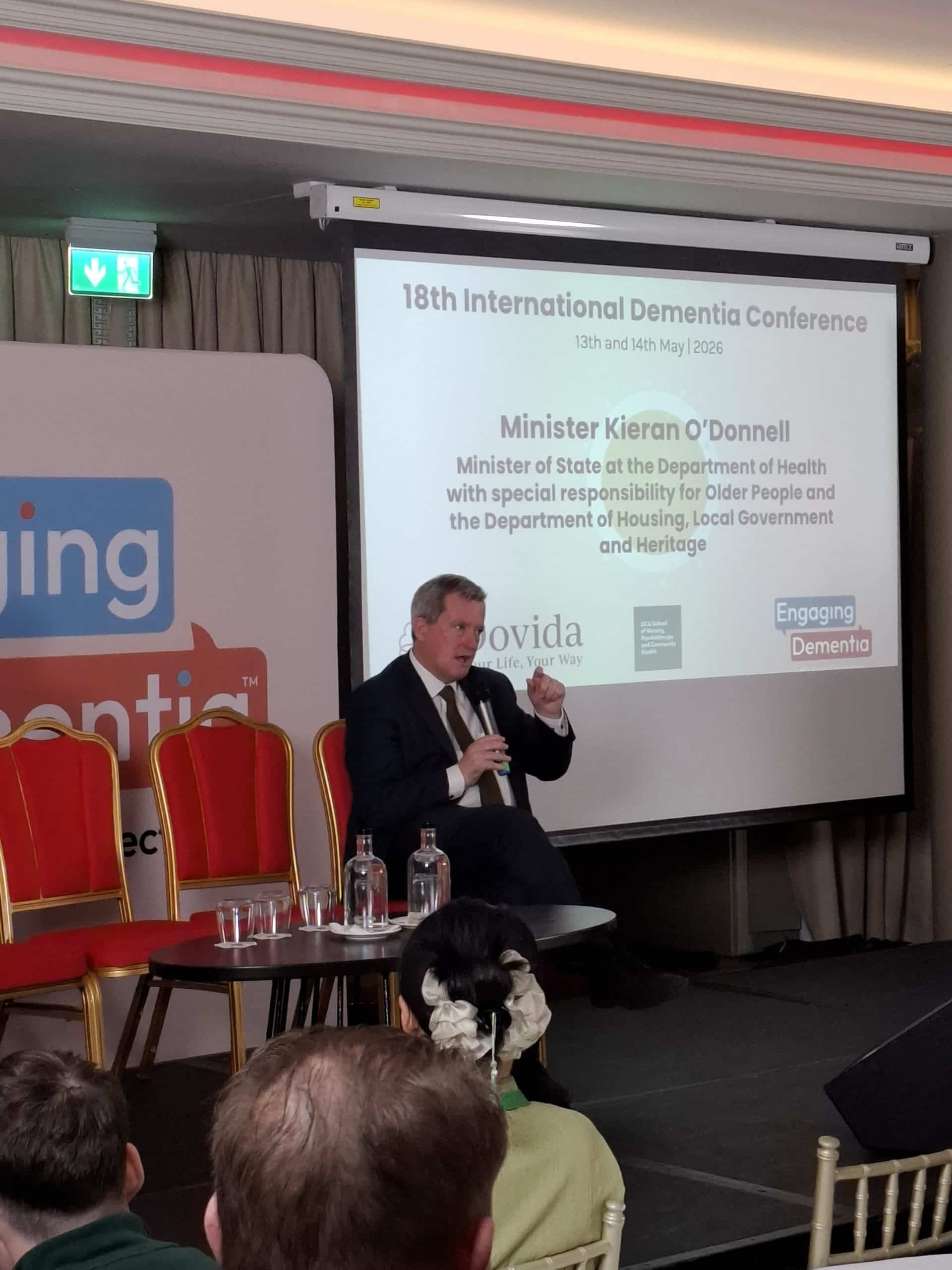
09.40 - 10.00 | Minister Kieran O'Donnell
Words from the Minister of State at the Department of Health and at the Department of Housing, Local Government and Heritage
10.00 - 10.15 | Suzanne Cahill - Overview of Human Rights
An overview of Human Rights in the context of dementia and the relevance of using a human rights framework in practice and policy.
10.15 - 10.45 | Human Rights Panel
Muriel Moore, Suzanne Cahill and Patricia Rickard-Clarke join Andy Heffernan, CEO of the ASI, who will chair the panel.
10.45 - 11.15 | Jo De Clerq - Therapeutic Positioning and Dementia Care
Jo is a Belgian physiotherapist who specialises in the transdisciplinary 24-hour ComfortCare approach for people with more progressed dementia. He has worked successfully for over 20 years to minimise the negative effects of paratonia, such as taking on fetal posture, development of contractures, structural postural deformations & movement restrictions. Jo’s training has a particular emphasis on the prevention of all the negative effects, by giving to right therapy-led answer to paratonia.
11:15 - 11.30 | Break
Break for Tea, Coffee & Networking. Pay a visit to our Exhibitor Room and get your Conference Passport stamped.
11.30 – 12.00 | PJ Harnett & Rose Galvin - Age-Friendly Memory Care - Mowlam Healthcare & University of Limerick
PJ will speak about Implementing Age Friendly Healthcare as part of a global movement.
12.00 – 12.30 | Kellyn Lee - Material Citizenship
Material Citizenship is an innovative, trauma-informed approach to dementia care developed by Dr Kellyn Lee, a chartered psychologist, author, and academic. The method focuses on the meaningful use of everyday functional objects, such as coffee cups, curling tongs, or armchairs, to support identity, agency, and a sense of citizenship for people living with dementia.
In practice, Material Citizenship has been shown to reduce reliance on medical interventions by addressing the root causes of distress through relational and environmental understanding rather than medication. It actively reduces, and in many cases removes, avoidable distress reactions by recognising how everyday objects can anchor familiarity, comfort, and autonomy. The approach also increases staff confidence, equipping them to respond more effectively and compassionately, while reducing the over-pathologising of dementia-related experiences. This leads to more person-centred, dignified care and stronger care relationships.
12.30 - 13.00 | Deirdre Shanagher & Orla Quigg - Establishing a National Nursing Home Residents Forum
No National forum exists to capture the voice and experience of nursing home residents in Ireland. It is recognised that amplifying the voice of nursing home residents has never been as important as it is now.
Deirdre works as Strategic Clinical Nurse Expert with Regulatory Compliance with Nursing Homes Ireland (NHI). In her current role she supports nurses working in nursing homes across the country.
Orla is the Director of Nursing, Elmhall Nursing Home, Celbridge, County Kildare.
13.00 – 13.45 | Lunch
We will be taking a break for lunch before the afternoon session.
13.45 - 14.30 | Grania McKittrick - Early Onset Dementia - Lorenzo's House
A panel discussion session with lived experience chaired by Grania, Global Outreach Lead at Lorenzo’s House. Joining Grania will be Alison McCarthy, the daughter of someone living with younger-onset dementia, and Will Dean, the son of someone living with younger-onset dementia. They will share their experiences as children, their wisdom as professionals and their knowledge as advocates carrying their perspectives into everyday.
14.30 - 15.00 | Kate Irving - Listen: Keepsake Chronicles, a short film with Q&A
The Keepsake Chronicles are storytelling groups for people living with dementia in the community. Participants are invited to bring an object that is meaningful to them, something they have owned for a long time. Objects are tangible. For people living with dementia, physical objects can cue sensory and autobiographical memory in ways that abstract questions often cannot. They can anchor memory and provide a scaffold for storytelling.
Keepsake Chronicles is a collaboration between a nurse, a creative writer and a photographer. As participants tell their stories, they record their words and photograph them in the act of telling. This captures expressions rich with emotion that are inseparable from the stories themselves.
15.00 - 15.30 | Kathy McLoughlin - The Power of Knowing What Matters - Person Centered Tools for Real Connection
This interactive session explores how One Page Profiles can strengthen connection, understanding, and person-centered dementia support. Grounded in real practice experience, the presentation will show how simple questions — what people like and admire, what matters most, and how best to support someone – can transform everyday care. Participants will reflect personally on what it means to be known and valued and will begin creating their own One Page Profile during the session. The presentation offers a practical tool for people with dementia, their families, carers and professionals seeking to move beyond diagnosis and task-based care, towards support that protects identity, dignity, choice and meaningful connection.
15.30 - 16.00 | Caoimhe McGarvey - Modifiable dementia risk factors in Ireland / TILDA
This presentation will outline the prevalence of modifiable risk factors for dementia in Ireland. It will discuss the rates of targeted interventions for these risk factors as well as their association with decline in cognitive performance over approximately 10 years of follow-up
16.00 – Closing Words
And that’s a wrap for another year as Kim Tully, Engaging Dementia CEO, closes the conference.
10.00 - | 10.25 - Ziyue Wang - Online support for young dementia carers in Ireland: Content analysis
Young dementia carers (YDC) are children, adolescents, and young adults who support a parent or relative living with dementia. YDCs might experience substantial emotional strain, role changes, and and educational and social disruption. Ireland provided several dementia care and carer support resources, however YDC-specific internet resources were not characterised.
Ziyue talks about how a national, youth-facing pathway is needed with clear referral routes, consistent signposting, and age-appropriate language. Schools should be strengthened as a gateway for identification and support. Resources should explicitly address stigma and peer isolation, provide practical guidance for education-related accommodations, and ensure equitable access to counselling, respite, and peer support across regions.
10.25 - 10.45 | Mary Wall - Engaging Learners with Dementia in Community Education
Community Education plays a vital role in promoting inclusion, well-being, and lifelong learning for people living with dementia. This study explores effective Teaching and Learning strategies that meaningfully engage learners with dementia within community-based settings. Drawing on person-centred and strengths-based approaches, the research examines how adapted pedagogies such as multisensory learning, creative arts-based methods, reminiscence activities, and scaffolded social interaction support cognitive stimulation, identity affirmation, and social connection.
Mary Wall is a Community Learning & Development Consultant, NMBI-registered General Nurse, and educator with over 28 years of professional experience across healthcare, further education, and community development. She is a recent graduate of the BA (Hons) in Community Education & Development, awarded First Class Honours, and is currently undertaking postgraduate studies in Teaching & Learning at Maynooth University. Her work bridges clinical expertise and inclusive educational practice, with a strong emphasis on dignity, diversity, equity, and person-centred learning.
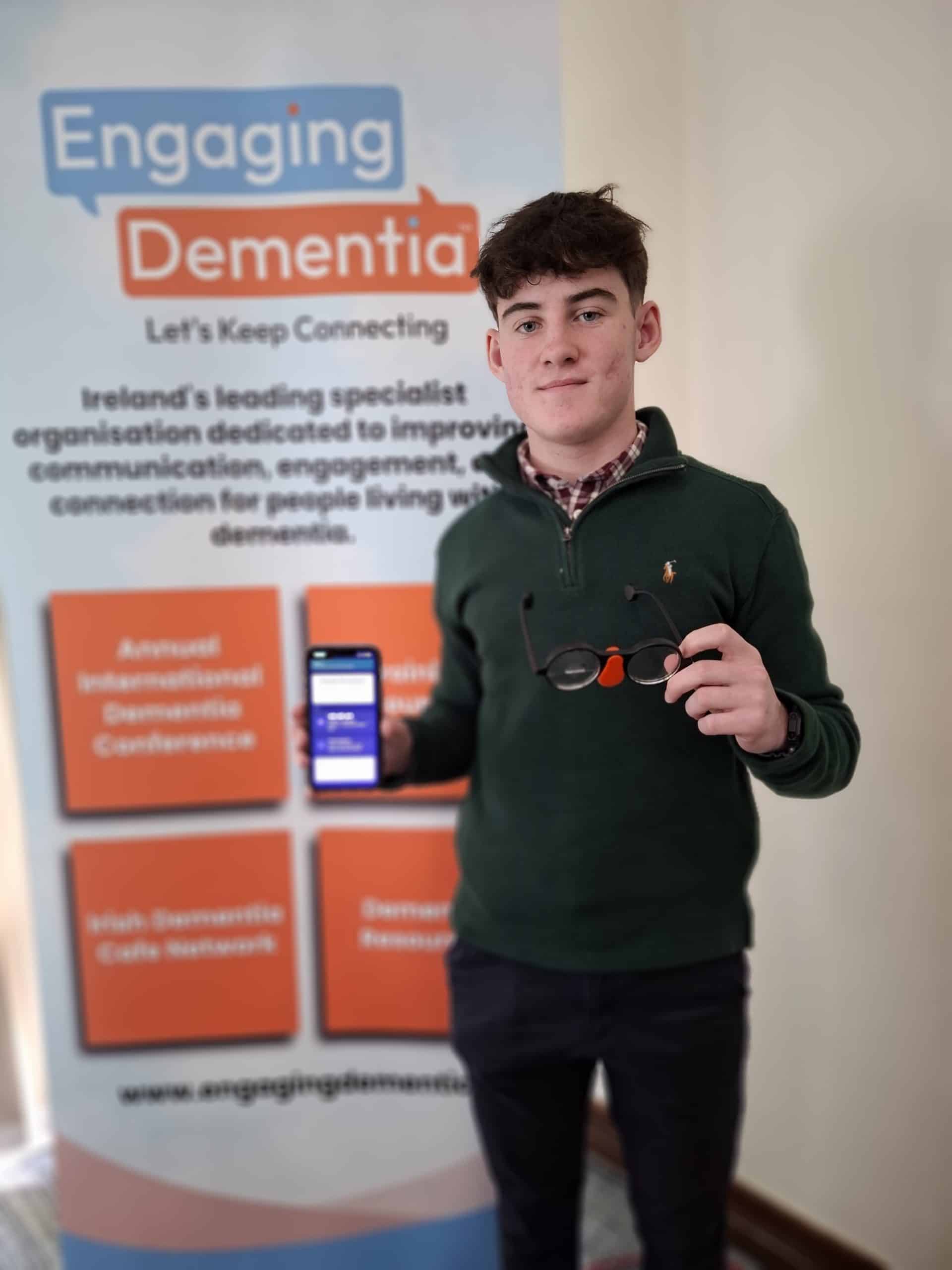
10.45 - 11.15 | William Brosnan - Dementia Shield: AI + AR Smart Glasses that support independence in early dementia
William Brosnan, a secondary school student from Kanturk in Co. Cork, won the SciFest Junior Technologist of the Future Award in November 2025 and the BD Stem Stars last month. William’s Dementia Shield project utilises Artificial Intelligence and Augmented Reality to improve quality of life for people living with dementia and slow down the onset of the disease by reducing anxiety and stress.
How it works: William has built two applications that utilise Augmented Reality Smart Glasses and Artificial Intelligence to reduce anxiety and stress in social situations for people with dementia. Both technologies work in tandem to remind people of time, place, answer questions, recognise faces and remind the user who they are. The app can also dial emergency contacts and share the user’s location if required.
11.15 - 11.30 | BREAK
Break for Tea, Coffee & Networking. Pay a visit to our Exhibitor Room and get your Conference Passport stamped.
11.30 - 12.00 | Alison McCarthy - Creating a Dementia Inclusive Generation
Did you know that one in three young people will know someone living with dementia, and increasingly, this person is not an older relative but a parent or guardian? At the Alzheimer Society of Ireland, we believe that empowering young people through education, peer leadership and intergenerational connection is essential to building A Dementia Inclusive Generation.
This presentation will outline the development, delivery and impact of our three‑phase national programme:
Phase One: An online, curriculum-aligned introductory course.
Phase Two: A peer‑education model that equips students to lead dementia awareness sessions within their schools.
Phase Three: Community‑engagement projects that strengthen understanding, empathy and social connection.
Since its inception, the programme has reached over 12,000 students nationwide and is now active in 11% of secondary schools. In 2025, we became the first external organisation to achieve official National Council for Curriculum and Assessment accreditation for our TY Micro Module, significantly increasing both engagement and sustainability within schools.
Ethical considerations, including safeguarding, lived‑experience sensitivity, and responsible storytelling, are embedded throughout the programme. Our lead, Alison McCarthy, brings a unique perspective as someone who was 16 when her mother showed symptoms of Young Onset Alzheimer’s. Her lived experience ensures authenticity and a strong ethical foundation for how we engage young people.
Over the past year, we have expanded our reach through our renewed partnership with An Gaisce, and new relationships with Young Social Innovators, Stripe YSTE, Foroige and the Irish Girl Guides, ensuring that more young people have access to support, knowledge and community as they navigate dementia in their own lives.
The presentation will share programme outcomes, insights from implementation, and recommendations for scaling youth‑led dementia inclusion in Ireland & beyond.
13.00 - 13.45 LUNCH
Break for Tea, Coffee & Networking. Pay a visit to our Exhibitor Room and get your Conference Passport stamped.
13.45 - 14.10 | Siobhan Grant & Ann Marie Kilgannon - Co-designing Cultural Change in Dementia Care; A Partnership Approach
Irish national and local audits have repeatedly identified significant gaps in person‑centred, dementia‑specific care, leading to poorer experiences and outcomes for people living with dementia. The HSE recognised that existing education didn’t sufficiently embed person‑centred, rights‑based practice nor support the cultural and behavioural change required across clinical and non‑clinical staff. To address this, the HSE partnered with St Joseph’s Shankill to co‑design a pilot facilitator programme informed by St Joseph’s long‑established model of care, grounded in dignity, autonomy, equality and compassion.
The co‑design process brought together HSE dementia education leads, St Joseph’s specialists in person‑centred culture, and people with lived experience of dementia. Drawing on national survey findings, World Café consultations and international evidence, the group developed an immersive Person Centred, Rights Based (PCRB) Education Programme. The programme uses experiential methods—simulation, role play, storytelling, life stories and observation within St Joseph’s dementia-inclusive lodges, to help participants understand dementia through the lens of the person. Learning is anchored in human rights principles (FREDA) and Kitwood’s psychological needs, encouraging empathy, emotional connection and reflective practice.
Ms AnnMarie Kilgannon (RGN, RNP, RANP, MSc, PgD, BNSc, FFNMRCSI) is Assistant Director of Nursing for Dementia Quality Improvement and Vaccination Lead with Dublin and South East. She has extensive experience across older person services and is committed to advancing person-centred dementia care through quality improvement and education
Siobhán Grant has been Fundraising Manager at Saint Joseph’s Shankill since 2015, supporting the organisation’s mission to improve the lives of people living with dementia and their families. As part of the management team, she has contributed to significant cultural and environmental change, positively enhancing the care experience for residents and their families.
With a background in General Nursing, Siobhán brings extensive experience across healthcare and the voluntary sector. She spent almost ten years with Special Olympics Ireland, including working on the 2003 World Games, and held senior roles in marketing, events, and fundraising. She holds postgraduate qualifications in Public Relations, Management, Digital Marketing, and Dementia Design, which inform her strategic, people-centred approach to fundraising and stakeholder engagement.
14.30 - 15.00 | Eugene Matthews - Protecting Retinal and Brain Health by enriching macular and brain carotenoids
Implications for Glare, Nightime Driving Age-related Macular Degeneration and Alzheimer’s disease
15.00 - 15.30 | Owen Harney - Staff, family, and carer experiences of Intergenerational Programmes
Opportunities for social engagement for people living with dementia are often limited due to a lack of understanding and empathy, as well as stigma associated with dementia. Intergenerational (IG) programmes are formal activities which bring generations together meaningfully. Although benefits of IG programmes have been reported for people living with dementia, more research is needed to understand these programmes and their effects. While previous work has synthesised experiences and perceptions of people living with dementia and young people, of IG programmes, this presentation describes a qualitative evidence synthesis of the perspectives of healthcare staff, teachers, family members, and informal carers regarding their involvement. Including the range of perspectives from other parties is essential in understanding the nature and potential benefits of such programmes, as well as in identifying design considerations for future IG programmes in Ireland.
The findings of this study stem from analysis of 25 reports from 24 studies, from which four analytical themes were developed. These themes are presented through a knitting analogy. This analogy incorporates the wool, representing the uncertainties and concerns to be unravelled; the hands, representing the various people and roles who work together in an IG programme context; the needles, which represent the work which needs to be done, and the components which need to be brought together, in bringing an IG programme from planning to implementation, and finally the co-produced knitwear itself, which includes the scarf (benefits and impact), the hat (higher-level social and societal impact), and gloves (connections and relationships).
Owen Harney is a Post-doctoral Researcher in the School of Nursing and Midwifery at the University of Galway. Owen’s current focus is the INNEACH project, which aims to identify the key components needed to develop a dementia-inclusive intergenerational programme in Ireland that will enhance social connectivity and quality of life for people living with dementia; generate empathy and understanding in young people; and, identify the barriers and facilitators to intergenerational programme delivery.
15.30 - 16.00 | Florence Horsman Hogan - Intersection of Safeguarding, Human Rights & Restrictive Practices OPS
In Irish residential care for older people, the intersection of safeguarding, human rights, and restrictive practices involves balancing safety with autonomy, where restrictive measures must be a last resort, proportionate, and legally compliant. Rights-based, person-centred care is mandated, yet, challenges remain, particularly for residents living with dementia in the vindication of their rights under the Irish Constitution, ECHR and UNCRPD.
Frequently Asked Questions
Who is the conference for?
How do I register to attend?
What topics will be covered?
How much does it cost to attend?
Can I attend just one day of the conference?
Are there exhibition or sponsorship opportunities?
Yes. We offer a range of sponsorship and exhibition packages to suit organisations of all sizes. Please contact Frank Gordon at fgordon@engagingdementia.ie or call 085 269 1025 for more information
Will there be opportunities to network?
Is the venue accessible?
Will CPD (Continuing Professional Development) points be available?
Yes – CPD points will be available through the NMBI.
Will sessions be recorded or available online?
Is there a reduced rate for family carers or people living with dementia?
How can I stay updated on conference news?
Sign up to our newsletter via engagingdementia.ie or follow us on LinkedIn, Facebook and X for the latest updates, speaker announcements, and more.
Book Now
Join the Conversation on Dementia Care
Be part of a vibrant network shaping the future of dementia support in Ireland. Connect with experts, carers, and people living with dementia in a space that values innovation, compassion, and collaboration.

Functional Always active
Preferences
Statistics
Marketing
How can we assist?
Get in touch